Epipremnum aureum: a complete care guide for a lush plant

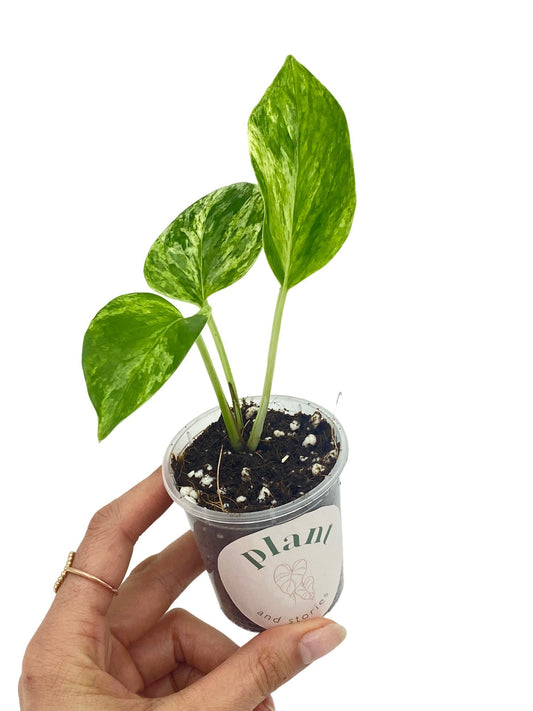
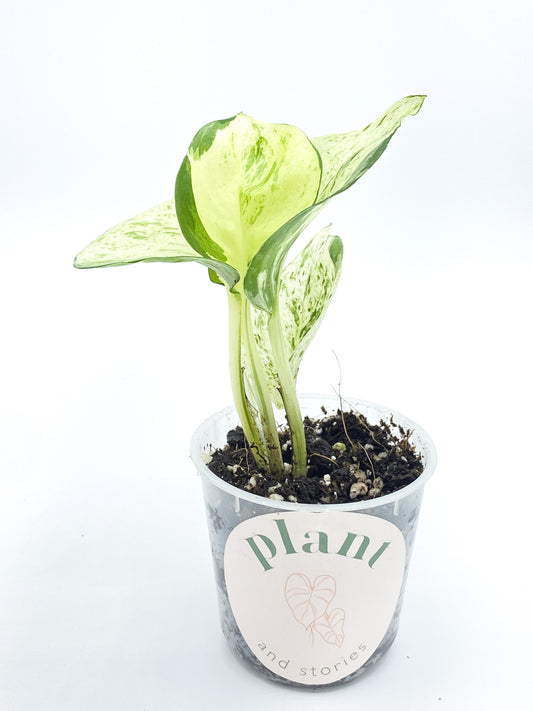
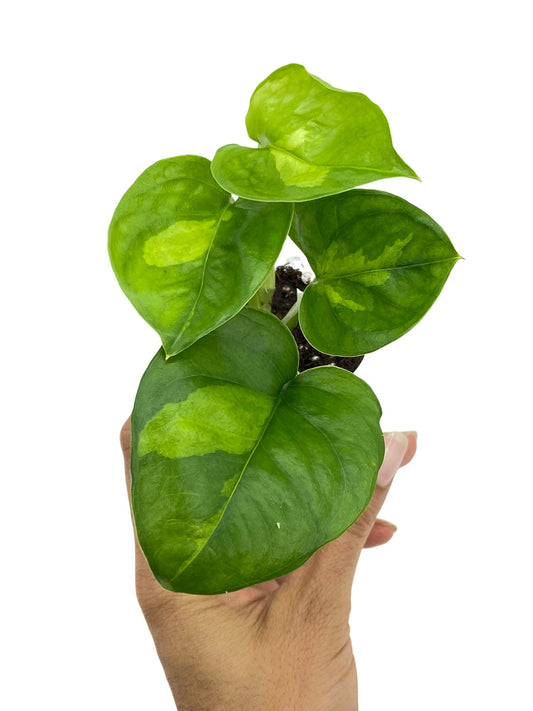
If you are looking for an ultra-easy-to-care-for houseplant with glossy green foliage that droops beautifully or climbs as it pleases… look no further: the Epipremnum aureum, also called Pothos or Potho, is for you.
This is THE perfect plant for beginners or for adding a touch of urban jungle to your garden. It grows quickly, adapts to almost any environment, and is also quite beautiful. But be warned: despite its easy-going appearance, the Epipremnum does have some requirements. Too much direct sunlight, improper watering, or overly compacted soil will cause its leaves to yellow, its stems to weaken, and its growth to slow down.
This guide gets straight to the point. You'll learn how to position it correctly, water it properly, feed it well, and most importantly, avoid common mistakes. Because having a beautiful plant is great. But keeping it healthy is even better.
Creating the ideal conditions for Epipremnum aureum
A healthy Epipremnum aureum is, above all, a well-established plant. If you provide it with the right conditions from the start, it will do almost the rest on its own. Light, ambient air, suitable soil… these small adjustments make all the difference. Let's look at them point by point.
Choosing the right location and the right light
Epipremnum loves light... but not just any kind. It prefers indirect, soft light, avoiding prolonged exposure to direct sunlight, which can burn its leaves. The ideal spot? A bright location near an east- or west-facing window. Too much shade, and its growth will slow. Too much sun, and its leaves will lose their vibrancy.
Indoors, this plant adapts easily as long as it's not in a draft or right next to a radiator. Rotate the pot regularly to ensure even light distribution; otherwise, it will try to grow only on one side.
Managing humidity and temperature on a daily basis
Native to tropical regions, Epipremnum aureum prefers relatively high humidity. If the air is too dry (especially in winter with heating), its leaves may dry out at the edges or curl.
No need for a high-tech humidifier: a simple bowl of water placed near the pot, a few plants grouped together or a tray of clay pebbles is enough to recreate a small microclimate.
For optimal growth, aim for temperatures between 18 and 25°C. Below 15°C, it will slow down. And if you put it outside in the summer, remember to bring it back inside as soon as the nights get cool: it doesn't like sudden drops in temperature.
Which soil to choose and how to ensure good drainage
Overly compacted soil is Epipremnum's worst nightmare. Its roots need air and good drainage to stay healthy. The goal: a light, airy substrate that doesn't retain excess water.
Here's what you need to remember to plant it correctly:
-
A light and well-draining potting mix: use a special mix for green plants or add perlite, sand or coconut fiber.
-
A pot with good drainage holes: check that the bottom allows water to drain. Avoid saucers that are constantly filled with water.
-
Avoid overly heavy mixtures: compact soil = excess water = risk of root rot.
-
Good soil means good care: your watering will be more efficient, the plant will breathe better and its growth will be more regular.
A good substrate is half the battle.
The right steps to take to care for your Epipremnum throughout the seasons
-
Water thoroughly without drowning the plant
Epipremnum aureum isn't very difficult to water, but it does need a minimum of regularity. On average, watering every 7 to 10 days is sufficient in summer and every 2 to 3 weeks in winter. But as always, the soil will tell you the real answer.
-
Before each watering, touch the soil: if it's dry to a depth of two centimeters, it's time to water. Otherwise, wait. Overwatering can cause yellowing leaves and weaken the roots.
Ideally, use room temperature water and water until the water drains from the drainage holes in the pot. Then, empty the saucer thoroughly to prevent stagnant water. This is one of the most common mistakes.
-
Feeding without excess: a look at fertilizers
Like many potted plants, Epipremnum aureum needs a little nutritional boost to thrive. But there's no need to overdo it: a liquid fertilizer for green plants, once a month in spring and summer, is more than enough.
The mistake to avoid? Over-fertilizing. Excess fertilizer burns the roots and does more harm than good. In winter, there's no need to fertilize: the plant is dormant, and its growth naturally slows down.
If you notice that the leaves are becoming dull despite good care, this could indicate a nutrient deficiency. In this case, a small, light application every two weeks can revive the plant… without suffocating it.
-
Easy repotting and suitable potting soil
Over time, the roots of your Epipremnum will take up more and more space. If you see them growing out of the drainage holes in the pot, or if water stagnates after watering, it's a sign that it's time to repot.
The best time to repot is in the spring, when the plant resumes its growth. Choose a pot 2 to 3 cm larger than the previous one, with drainage holes in the bottom. For the potting mix, opt for a light, well-draining blend, such as one for houseplants, or add a little sand or perlite to improve aeration.
After repotting, wait a few days before watering again. This allows the roots to heal and establish themselves properly in their new environment.
Solve small problems before they get worse.
Recognizing the signs of illness
Although Epipremnum aureum is quite hardy, it too can experience some health problems. Fortunately, it sends out signals quickly… provided you know how to read them.
Here are the most common symptoms to watch for:
-
Yellow leaves: often due to excess water or poor drainage.
-
Brown or black spots: these often indicate excess moisture or a fungal disease.
-
Soft and drooping leaves: this can indicate a lack of water or a cold snap.
-
Pale leaves: a lack of light or nutrients is often the cause.
The key is to react quickly. By adjusting watering, light, or changing the potting soil, you can usually correct the situation before it worsens.
Getting rid of parasites naturally
Pests are not very common on Epipremnum aureum, but it's best to remain vigilant. The most common ones? Scale insects, aphids, and spider mites, especially in dry conditions.
Here's how to recognize and treat them:
-
Scale insects: small, white, cottony clusters on stems or under leaves. Clean gently with a cloth dampened with soapy water.
-
Aphids: small green or black insects clustered on young shoots. A spray of diluted black soap may be sufficient.
-
Red spider mites: tiny and often invisible, they leave fine webs and make the leaves look dull. Increase humidity and mist lightly.
The most important thing is to monitor your plant regularly. Good care, not-too-dry air, and appropriate light are already excellent preventative measures.
Prune and propagate like a pro
Epipremnum aureum grows quickly, very quickly. Regular pruning helps to give it a nice shape, stimulates its growth and prevents the stems from becoming too long and bare.
Prune in spring or summer, just above a node (where a leaf is attached to the stem). This encourages the growth of new shoots. Always use a clean tool to avoid infection.
And why not take advantage of this time to make cuttings? Cut a stem with two or three leaves, place it in a glass of water, and wait a few days: small roots will appear. You can then replant it in fresh potting soil. It's simple, quick… and very rewarding!
Growth support: let it fall back or encourage it to climb?
Epipremnum aureum is a climbing plant by nature. If you let it grow freely, its stems can cascade beautifully from a shelf or macrame plant. But you can also help it climb, with a moss support, a wooden ladder, or even a wall if you're feeling creative.
Why is this interesting? Because as it climbs, it sometimes produces larger, more distinctive leaves. It's also a beautiful way to structure a space while maintaining a very natural jungle effect.
Avoid chemicals: 100% natural cleaning
You don't need to go to great lengths to keep your Epipremnum healthy. To clean the leaves, use a soft, damp cloth, without soap or polishing spray. For pests, soapy water or diluted black soap works very well.
Less chemistry, more natural: your plant will thank you and so will your home.
Where and how to incorporate Epipremnum into your interior design
Epipremnum aureum is not only easy to care for, but it's also an incredibly decorative houseplant, capable of adapting to different styles and almost any room in the house. However, it's essential to know how to place it in the right spot and with the right plants around it to showcase it... without compromising its well-being.
The right location depending on the room
-
Living room
Whether hung or placed on a shelf, it creates a striking cascading effect. Near a bright window (but out of direct sunlight), it thrives easily. Remember to rotate the pot every 7 to 10 days to ensure even growth.
-
Kitchen
It often receives warmth and some natural humidity, which can suit it. However, avoid placing it too close to the stovetop or in a dark corner. Check that the potting soil doesn't dry out too quickly.
-
Bathroom
If there's a window, it's a true paradise for it. The humid air is ideal for its foliage, and maintenance is minimal. Just be sure to water moderately, as the ambient humidity slows down the drying of the soil.
-
Bedroom
Perfect for a soft, decorative touch, provided you don't place it too close to the bed or a heater. A pendant light or a small wall bracket is ideal. Water sparingly and ensure it receives plenty of natural light.
Combine Epipremnum with other plants
To create a space that is both aesthetically pleasing and easy to maintain, combine your Epipremnum with plants that share the same needs:
-
A Philodendron scandens, which offers thin stems and heart-shaped leaves.
-
A Calathea or a Maranta, which also appreciate good ambient humidity and indirect light.
-
A Ficus Elastica to add height, or a Peperomia to add texture.
Consider varying the heights of the pots, using matching cachepots, or creating a cascading effect with several pothos cuttings in glass containers. Maintenance remains simple, as long as the plants receive enough light and watering is properly managed.
Conclusion
Easy to care for, quick to grow, and decorative in all seasons… Epipremnum aureum is a sure bet for anyone who wants a houseplant that's as beautiful as it is easy to maintain. A little light, controlled watering, good potting soil, and it does the rest.
With a few simple steps, it can transform your space into a vibrant, evolving, and always elegant green corner. And if you want to go further, why not try propagation by cuttings, or combine it with species like Caladium or Syngonium , which share the same taste for bright and slightly tropical environments?

Laura Bruneau
Jardinière & autrice