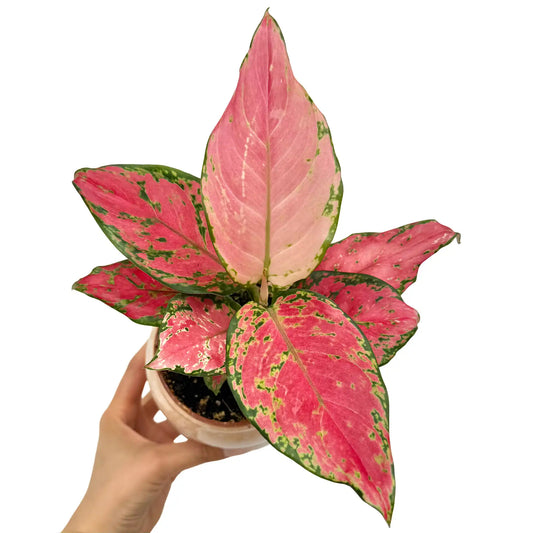
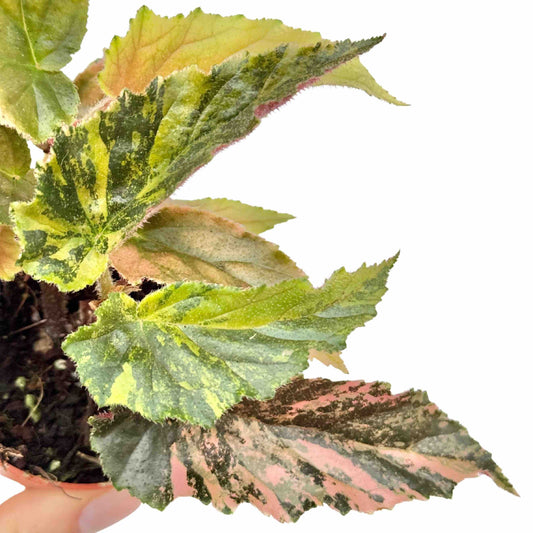
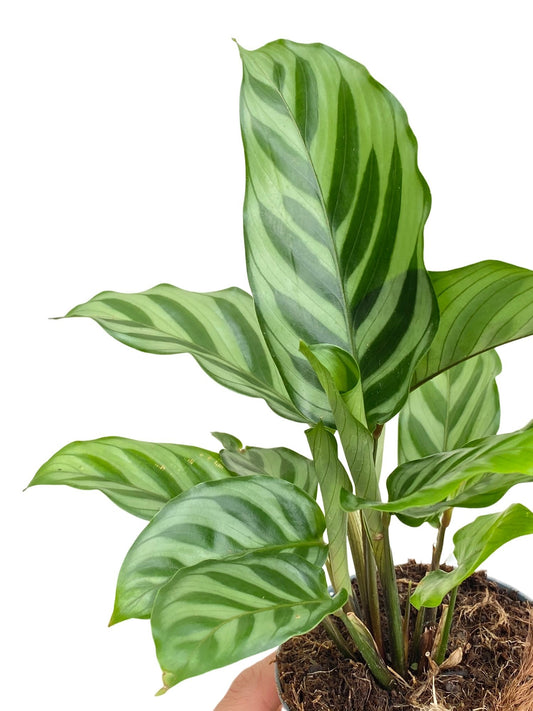
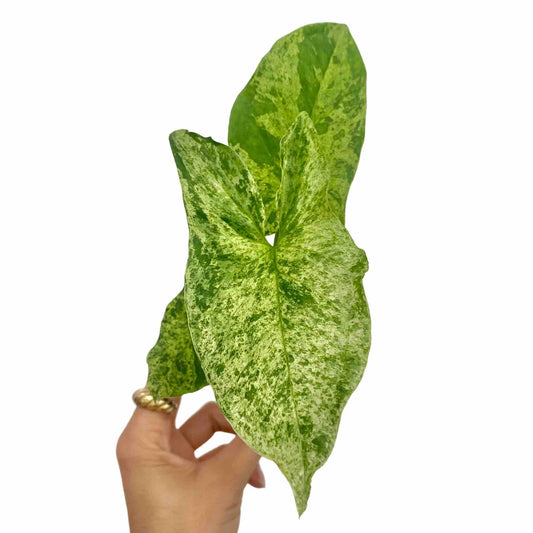
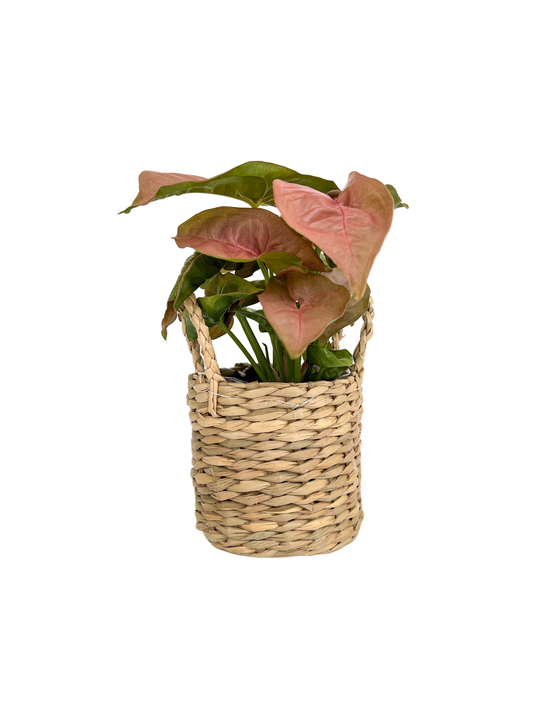
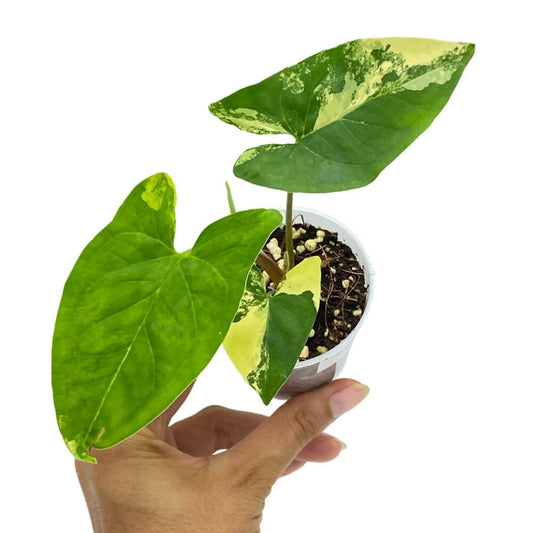
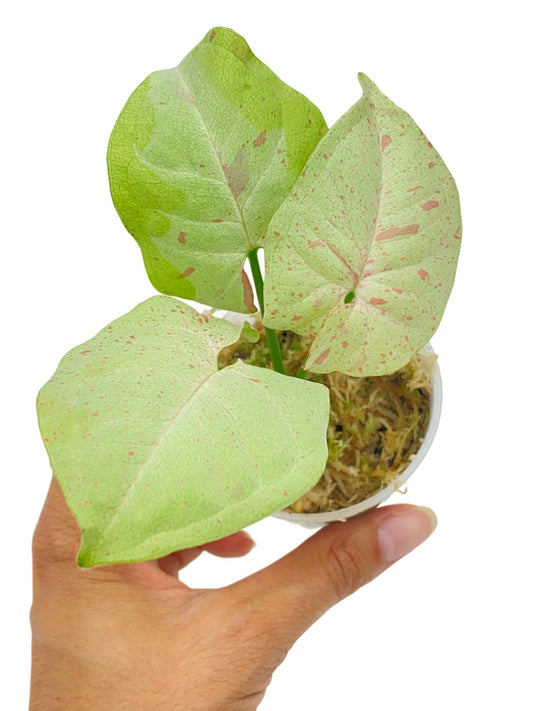
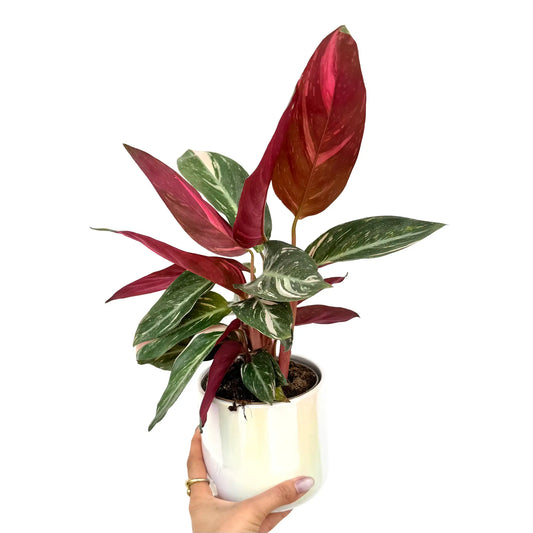
Here, you’ll find plants with colorful pink, red, or purple foliage, such as Aglaonema, whose vibrant hues need bright, indirect light.
The essentials at a glance:
- ☀️ Light: bright, indirect (preserves color)
- 💧 Watering: keep the potting mix slightly moist, with no standing water
- 🎯 Highlight: pink, red, or purple foliage
- 🍃 Examples: Aglaonema, Begonia, Dieffenbachia
- 🪴 Native habitat: tropical forest understories in Asia and South America
Colorful pink plants: bring natural color into your home
Some leaves rival even the most flamboyant flowers. Colorful plants include species with pink, red, or purple foliage, such as Aglaonema, Begonia, and Dieffenbachia, whose natural pigments create a lively, ever-changing display. Native to the tropical forest understories of Asia and South America, these varieties develop hues that vary with the light they receive and the age of their foliage.
Caring for colorful plants: the right light and potting mix
Bright, indirect light is essential for preserving intense colors; too much shade tends to turn the foliage green. The potting mix should be airy and slightly moist, with no excess standing water: try our mineral potting mix, enriched with biostimulants and designed for excellent drainage, ideal for promoting healthy foliage. Regular feeding with our liquid fertilizer for foliage plants will also enhance the vibrancy of the colors.
Buy your colorful plants at Plant and Stories
Our selection of colorful plants brings together varieties sourced from French and European growers, so they arrive with healthy, well-established foliage. Each plant is carefully packaged for fast, secure delivery right to your door. Explore our range of colorful plants today and add a vibrant, original touch to your home.
For more information, see our complete guide: Colorful Foliage Houseplants: The Guide.


 Sale

 Sale

 Sale