


-

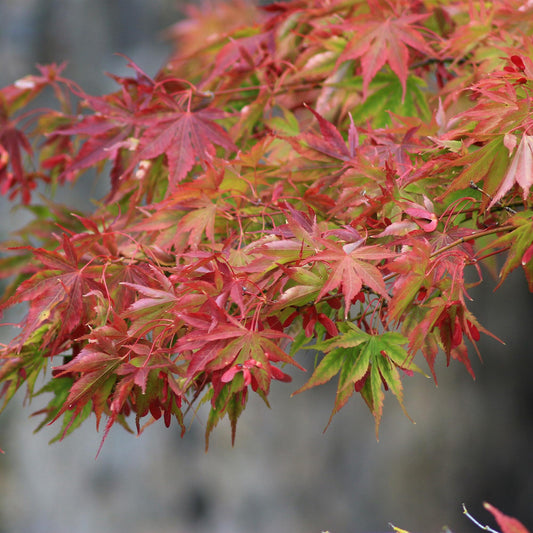
Japanese maple 'Beni Maiko' (Acer palmatum) – with vibrant foliage – 26 cm pot – 90 cm tall
Regular price 89,95 €Regular price -

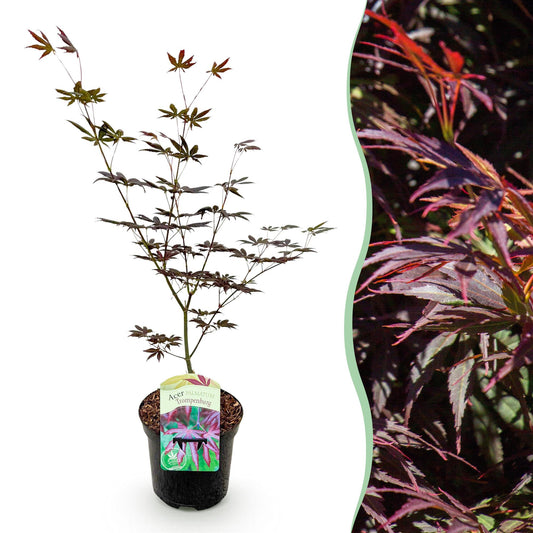
Japanese Maple 'Trompenburg' (Acer palmatum) - with fiery foliage - 19 cm Pot - Height 70 cm
Regular price From 64,95 €Regular price -

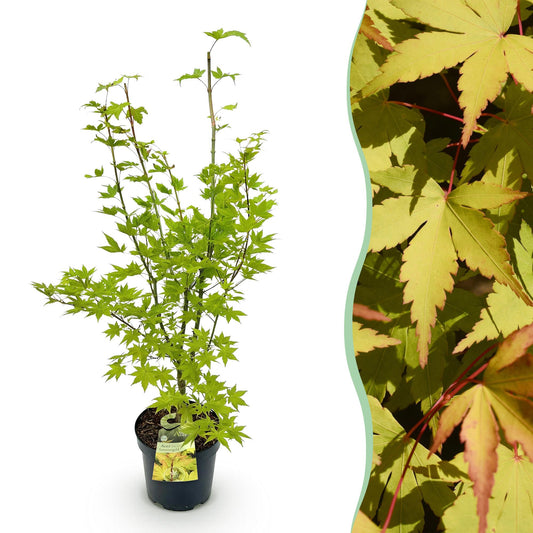
Japanese Maple 'Summergold' (Acer palmatum) - with fiery foliage - 26 cm pot - Height 90 cm
Regular price 89,95 €Regular price -

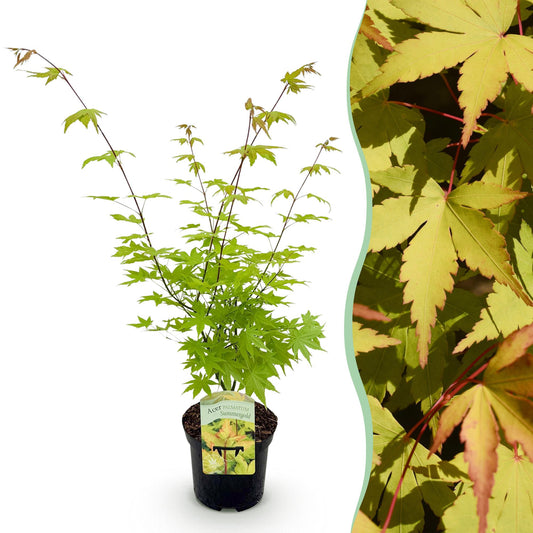
Japanese Maple 'Summergold' (Acer palmatum) - with fiery foliage - 19 cm pot - Height 70 cm
Regular price From 64,95 €Regular price -

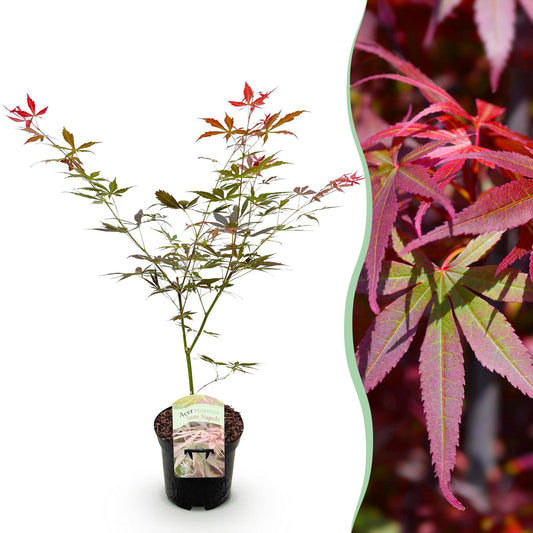
Japanese Maple 'Sumi-nagashi' (Acer palmatum) - with fiery foliage - 19 cm pot - Height 70 cm
Regular price From 64,95 €Regular price -

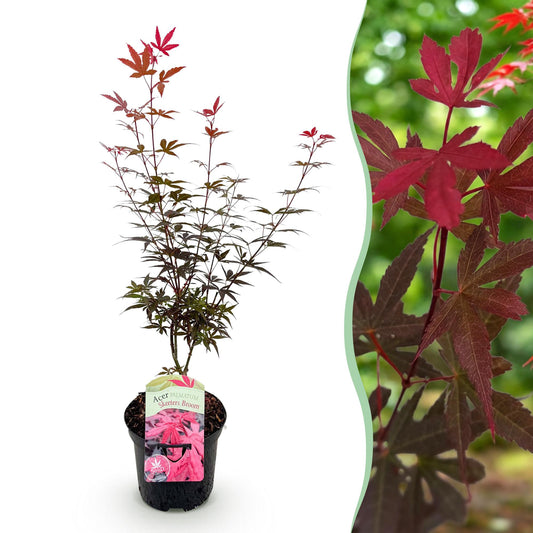
Japanese Maple 'Skeeter's Broom' (Acer palmatum) - with fiery foliage - 19 cm pot - Height 70 cm
Regular price From 64,95 €Regular price -

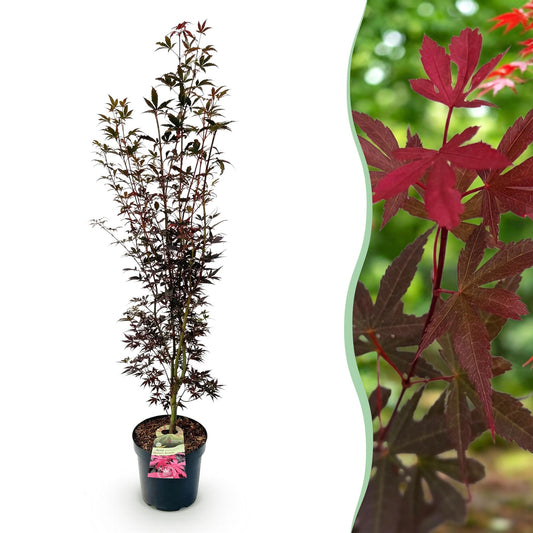
Japanese Maple 'Skeeter's Broom' (Acer palmatum) - with fiery foliage - 26 cm pot - Height 90 cm
Regular price 89,95 €Regular price -

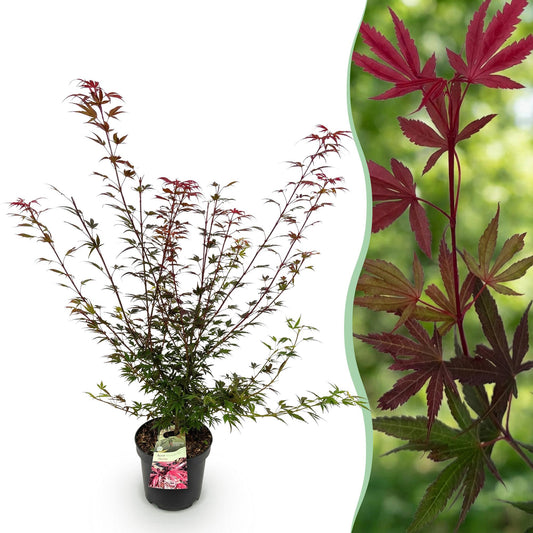
Japanese Maple 'Shaina' (Acer palmatum) - with fiery foliage - 26 cm pot - Height 90 cm
Regular price 89,95 €Regular price -

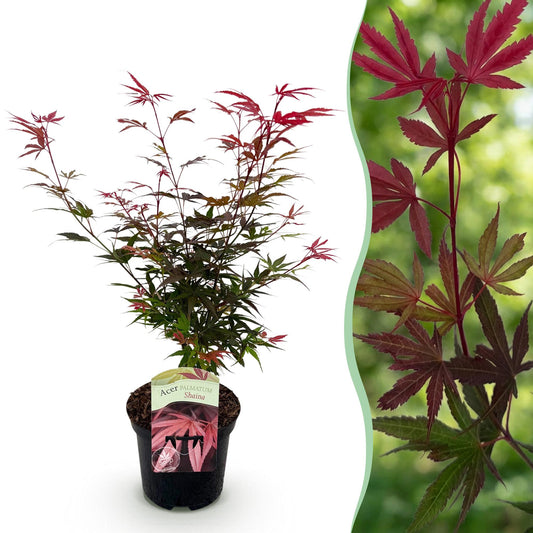
Japanese Maple 'Shaina' (Acer palmatum) - with fiery foliage - 19 cm pot - Height 70 cm
Regular price From 64,95 €Regular price -

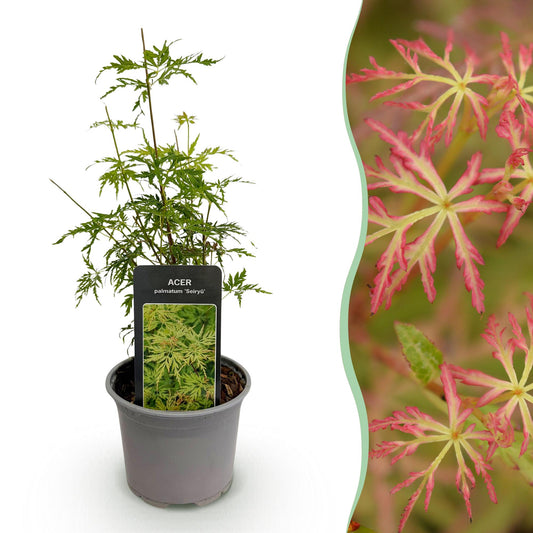
Japanese Maple 'Seiryu' (Acer palmatum) - with fiery foliage - 12 cm pot - Height 35 cm
Regular price From 39,95 €Regular price -

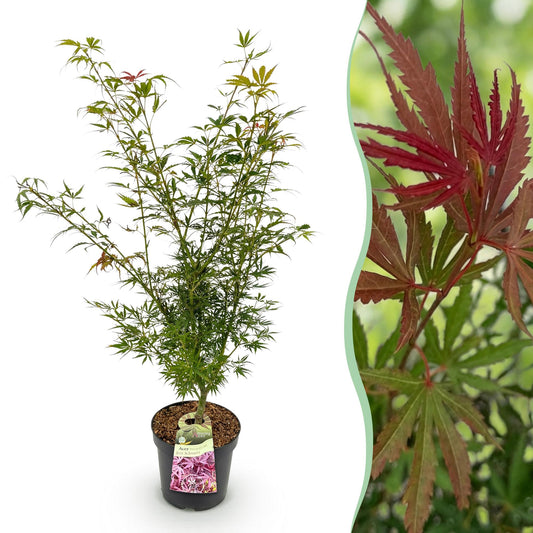
Japanese Maple 'Jerre Schwartz' (Acer palmatum) - with fiery foliage - 26 cm pot - Height 90 cm
Regular price 89,95 €Regular price -

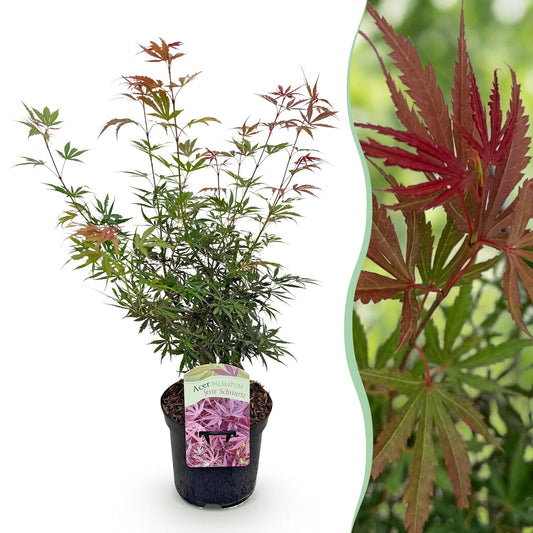
Japanese Maple 'Jerre Schwartz' (Acer palmatum) - with fiery foliage - 19 cm pot - Height 70 cm
Regular price From 64,95 €Regular price -

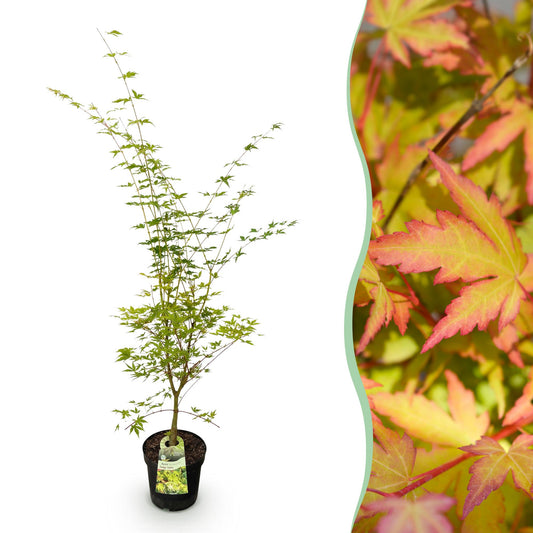
Japanese Maple 'Sangokaku' (Acer palmatum) - with fiery foliage - 26 cm pot - Height 90 cm
Regular price 89,95 €Regular price -

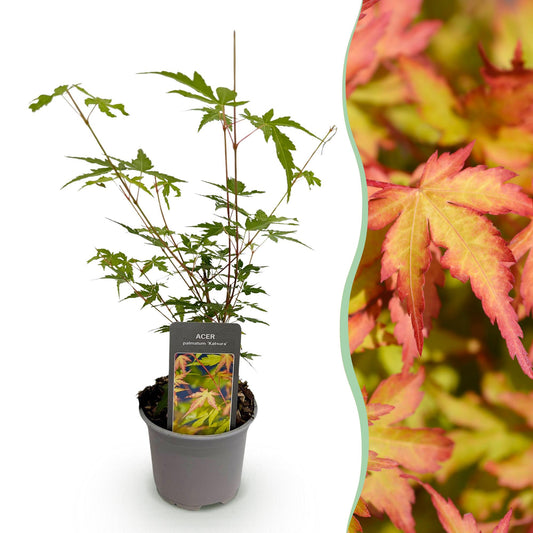
Japanese Maple 'Sangokaku' (Acer palmatum) - with fiery foliage - 12 cm pot - Height 35 cm
Regular price From 39,95 €Regular price -
Japanese Maple (Acer palmatum) - with fiery foliage - 26 cm Pot - Height 90 cm
Regular price 89,95 €Regular price -
Japanese Maple (Acer palmatum) - with fiery foliage - 19 cm Pot - Height 70 cm
Regular price From 64,95 €Regular price -


Japanese Maples, 3-Color Mix (Acer palmatum) - Red, Green, and Orange - 12 cm Pot - 35 cm Tall - Set of 3
Regular price 54,95 €Regular price -


Japanese Maple 'Pink Dwarf' (Acer palmatum) - with flamboyant foliage - 19 cm pot - Height 70 cm
Regular price From 64,95 €Regular price -

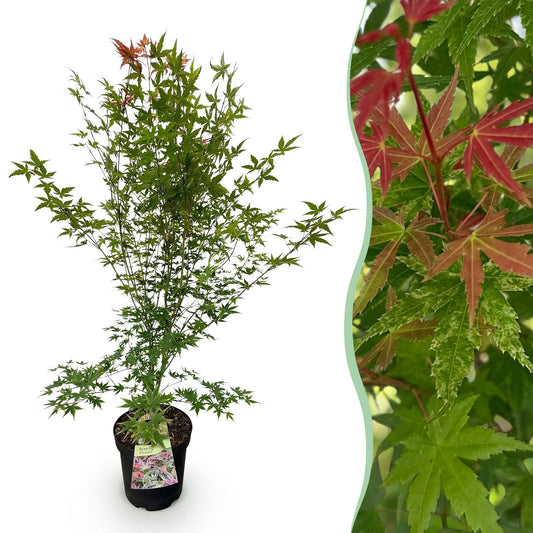
Japanese Maple 'Phoenix' (Acer palmatum) - with fiery foliage - 26 cm pot - Height 90 cm
Regular price 89,95 €Regular price -

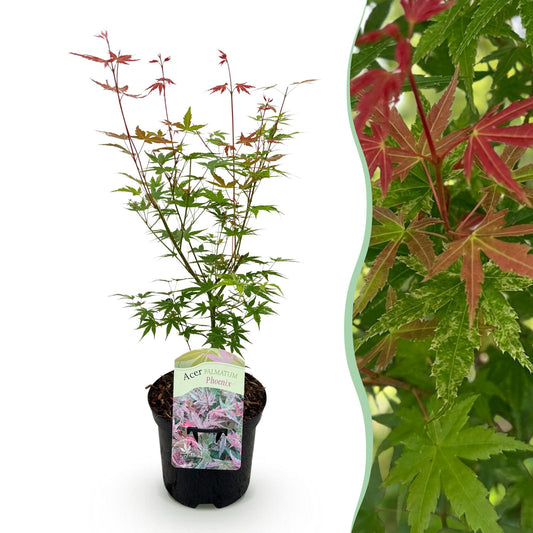
Japanese Maple 'Phoenix' (Acer palmatum) - with fiery foliage - 19 cm Pot - Height 70 cm
Regular price From 64,95 €Regular price -

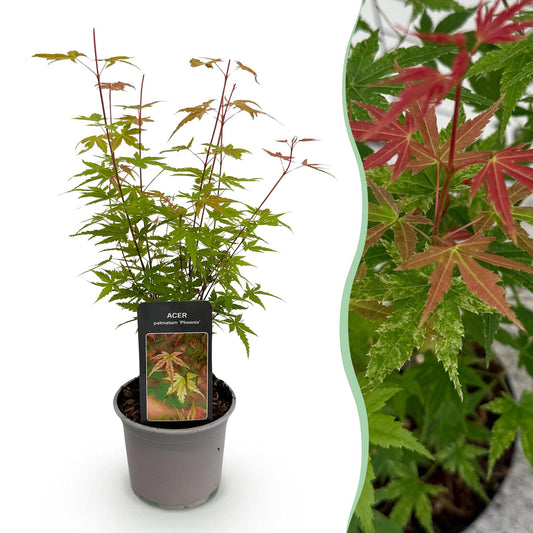
Japanese Maple 'Phoenix' (Acer palmatum) - with fiery foliage - 12 cm pot - Height 35 cm
Regular price From 39,95 €Regular price -

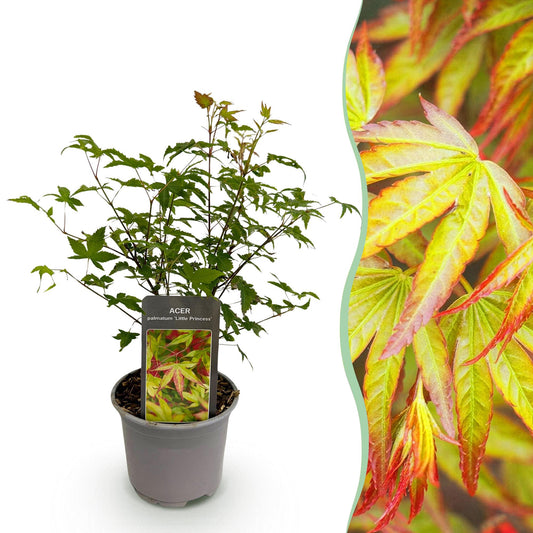
Japanese Maple 'Little Princess' (Acer palmatum) - with fiery foliage - 12 cm pot - Height 35 cm
Regular price From 39,95 €Regular price -

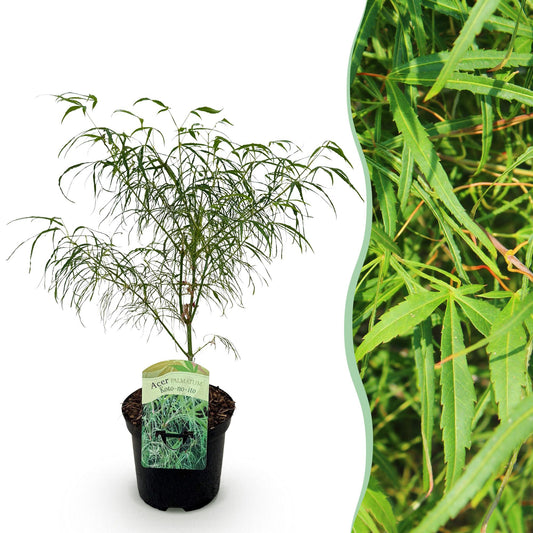
Japanese Maple 'Koto-no-ito' (Acer palmatum) - with fiery foliage - 19 cm Pot - Height 70 cm
Regular price From 64,95 €Regular price -

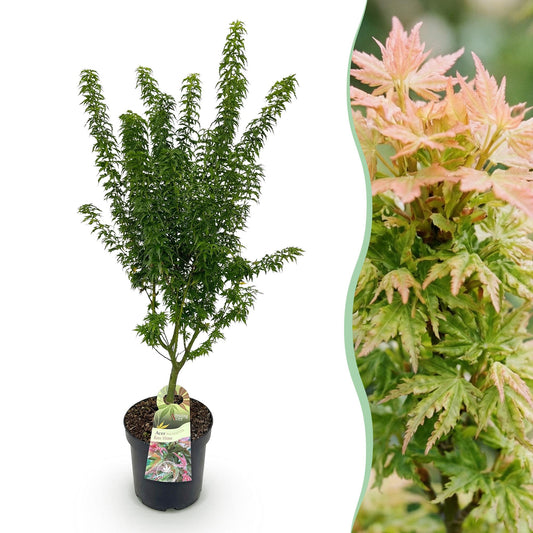
Japanese Maple 'Koto Hime' (Acer palmatum) - with fiery foliage - 26 cm pot - Height 90 cm
Regular price 89,95 €Regular price -

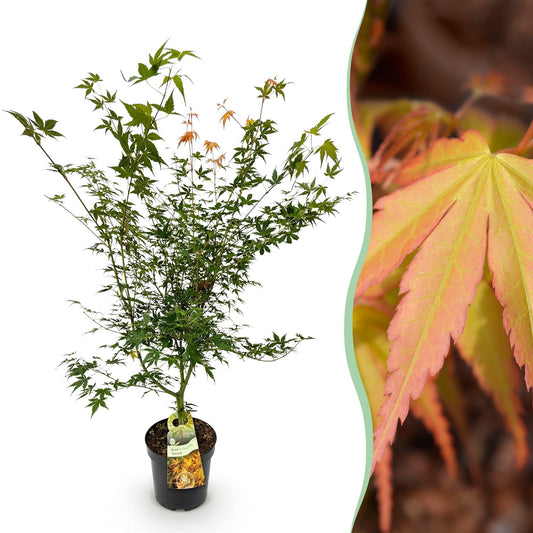
Japanese Maple 'Katsura' (Acer palmatum) - with fiery foliage - 26 cm pot - Height 90 cm
Regular price 89,95 €Regular price -

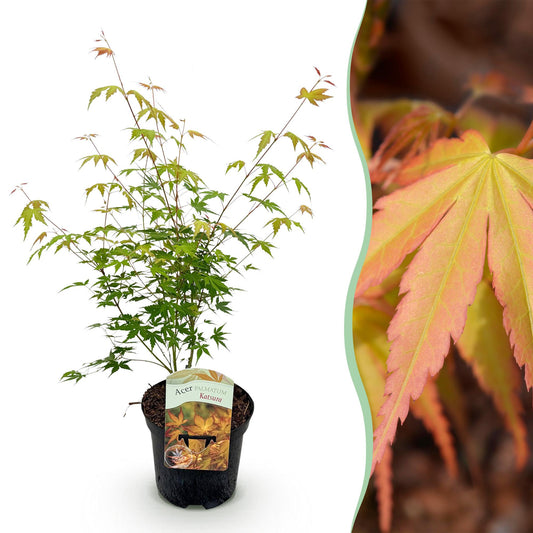
Japanese Maple 'Katsura' (Acer palmatum) - with fiery foliage - 19 cm pot - Height 70 cm
Regular price From 64,95 €Regular price -

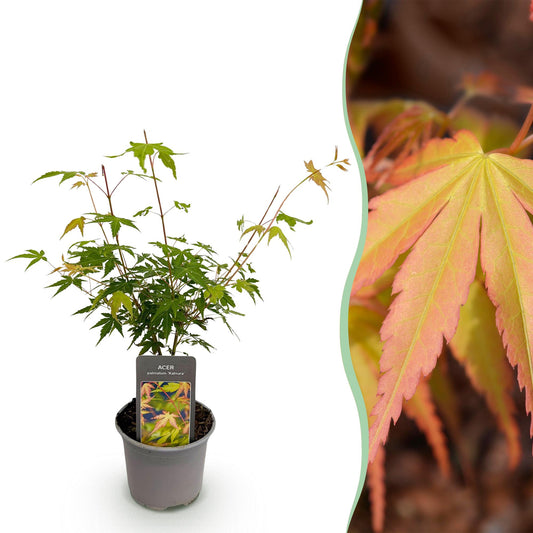
Japanese Maple 'Katsura' (Acer palmatum) - with fiery foliage - 12 cm pot - Height 35 cm
Regular price From 39,95 €Regular price -


Japanese Maple 'Jordan' (Acer palmatum) - with fiery foliage - 26 cm pot - Height 90 cm
Regular price 89,95 €Regular price -

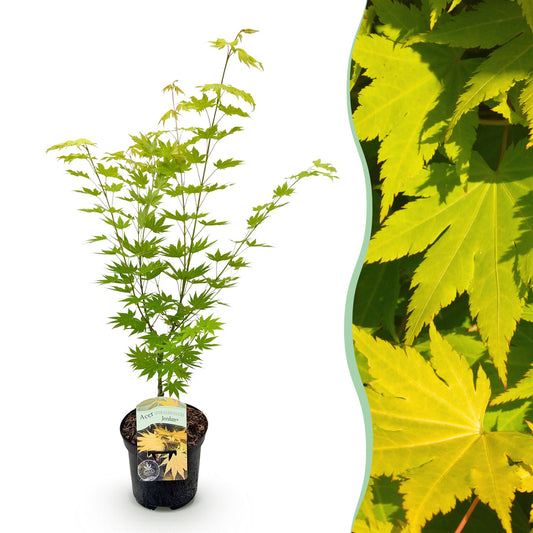
Japanese Maple 'Jordan' (Acer palmatum) - with fiery foliage - 19 cm Pot - Height 70 cm
Regular price From 64,95 €Regular price -

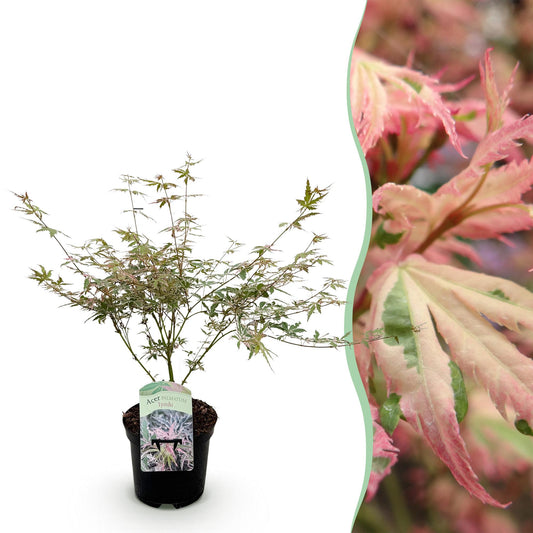
Japanese Maple 'Iyoshi' (Acer palmatum) - with fiery foliage - 19 cm pot - Height 70 cm
Regular price From 64,95 €Regular price -

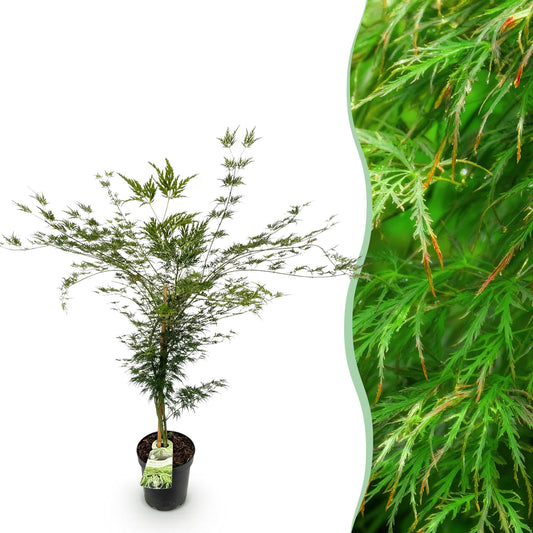
Japanese Maple 'Emerald Lace' (Acer palmatum) - with flamboyant foliage - 26 cm pot - Height 90 cm
Regular price 89,95 €Regular price -

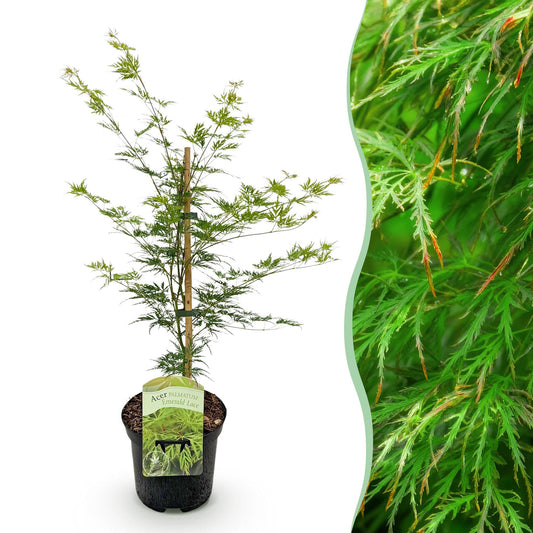
Japanese Maple 'Emerald Lace' (Acer palmatum) - with flamboyant foliage - 19 cm pot - Height 70 cm
Regular price From 64,95 €Regular price -

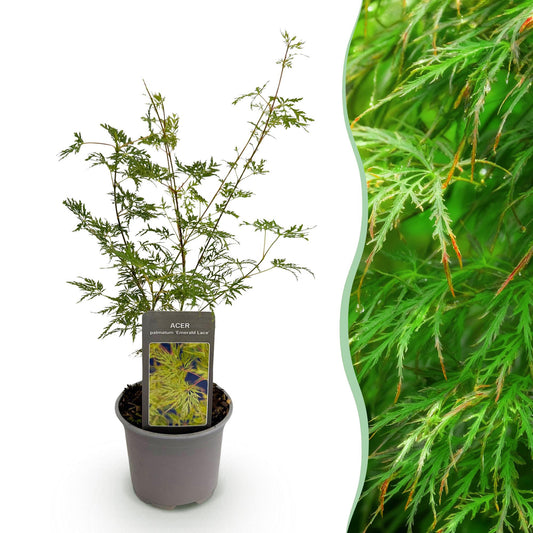
Japanese Maple 'Emerald Lace' (Acer palmatum) - with flamboyant foliage - 12 cm pot - Height 35 cm
Regular price From 39,95 €Regular price -

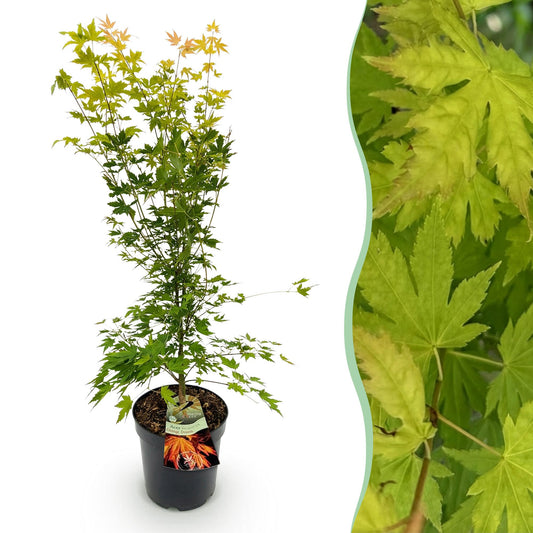
Japanese Maple 'Orange Dream' (Acer palmatum) - with fiery foliage - 26 cm pot - Height 90 cm
Regular price 89,95 €Regular price -

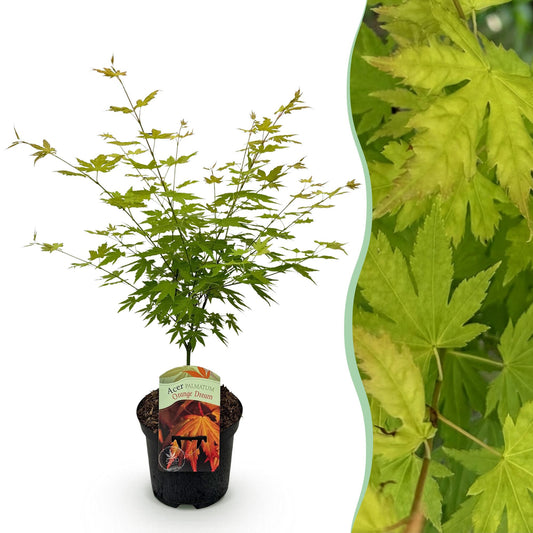
Japanese Maple 'Orange Dream' (Acer palmatum) - with fiery foliage - 19 cm pot - Height 70 cm
Regular price From 64,95 €Regular price -

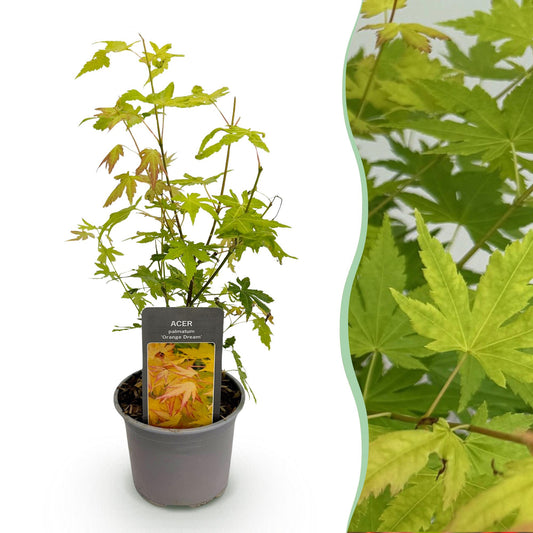
Japanese Maple 'Orange Dream' (Acer palmatum) - with fiery foliage - 12 cm pot - Height 35 cm
Regular price From 39,95 €Regular price


