


-

 Livraison offerte
'Hinnonmäki Röd' gooseberry (Ribes uva-crispa) – hardy small fruit plant
Regular price From 44,95 €Regular price -
Christmas rose 'Christmas Carol' (Helleborus niger) – winter-flowering perennial
Regular price From 44,95 €Regular price -


Japanese skimmias in white and red pairs (Skimmia japonica) – evergreen shade shrubs
Regular price From 44,95 €Regular price -

 Livraison offerte Sale
Japanese Skimmia 'Rubella' (Skimmia japonica) – evergreen shade shrub
Regular price From 44,95 €Regular price59,95 €Sale price From 44,95 €Livraison offerte Sale -
Japanese skimmia 'Finchy' (Skimmia japonica) – shade-loving evergreen shrub
Regular price From 44,95 €Regular price -


Honeyberry (Lonicera caerulea var. kamtschatica) – edible blue-berried honeysuckle – 9 cm pot
Regular price From 44,95 €Regular price -


Star Magnolia (Magnolia stellata) – spring-flowering shrub – 12 cm pot – 30 cm tall
Regular price From 39,95 €Regular price -


Mixed Magnolias, 3 colors (Magnolia) – white, pink, and purple – 12 cm pot – Height: 30 cm
Regular price 49,95 €Regular price -


Japanese Skimmia 'Festival' (Skimmia japonica) – evergreen red and white flowering plant – 15 cm pot – Height 30 cm
Regular price 44,95 €Regular price -


Hellebore 'Diamonfire' (Helleborus × nigercors) – cream-white flowering perennial – 19 cm pot – 40 cm tall
Regular price 59,95 €Regular price -


Hellebore ‘Dacaya’ (Helleborus × hybridus) – winter-flowering perennial – 19 cm pot – 50 cm tall
Regular price 59,95 €Regular price -


Hellebore ‘Silver Dollar’ (Helleborus x sternii) – evergreen perennial with silvery foliage – 14 cm pot – height 35 cm
Regular price From 39,95 €Regular price -

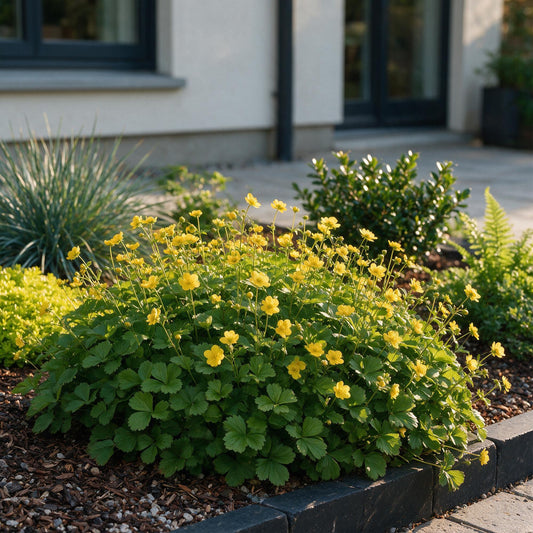
Barren strawberry (Waldsteinia ternata) – evergreen ground cover – 11 cm pot – height 15–25 cm
Regular price From 39,95 €Regular price -


Lesser periwinkle ‘Atropurpurea’ (Vinca minor) – evergreen ground cover – 11 cm pot – height 15–25 cm
Regular price From 39,95 €Regular price -


Greater periwinkle 'Variegata' (Vinca major) – variegated evergreen ground cover – 11 cm pot – Height: 15–25 cm
Regular price From 39,95 €Regular price -


Knotweed mix, 3 colours (Persicaria amplexicaulis) – red, pink and white – 11 cm pot – height 15–25 cm
Regular price From 64,95 €Regular price -


‘Album’ Bloody Cranesbill (Geranium sanguineum) – flowering perennial ground cover – 11 cm pot – height 15–25 cm
Regular price From 39,95 €Regular price -

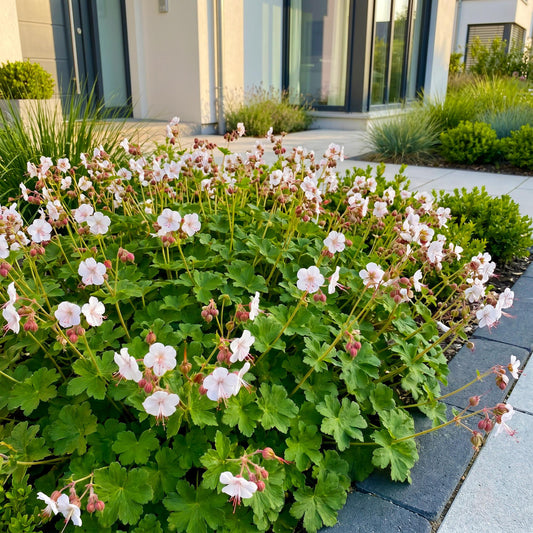
Bigroot Geranium 'Spessart' (Geranium macrorrhizum) – flowering ground-cover perennial – 11 cm pot – height 15–25 cm
Regular price From 39,95 €Regular price -


Bigroot Geranium 'Ingwersen's Variety' (Geranium macrorrhizum) – flowering perennial ground cover – 11 cm pot – height 15–25 cm
Regular price From 39,95 €Regular price -

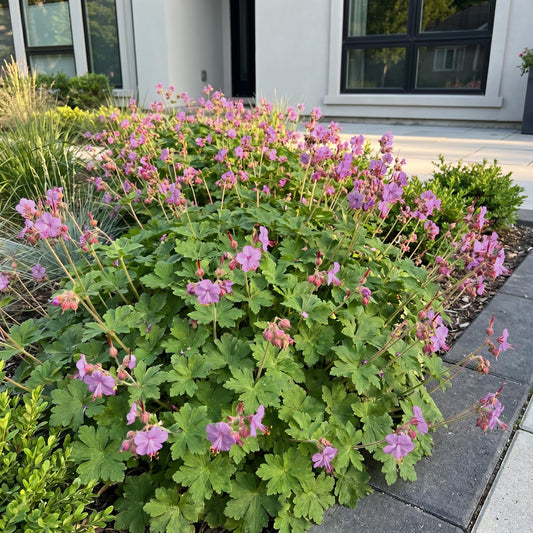
Hardy Geranium 'Cambridge' (Geranium × cantabrigiense) - Flowering ground cover perennial - 11 cm pot - Height 15–25 cm
Regular price From 39,95 €Regular price -


Mixed coneflowers, 3 colours (Echinacea) – yellow, pink and white – 11 cm pot – Height: 15–25 cm
Regular price From 64,95 €Regular price -

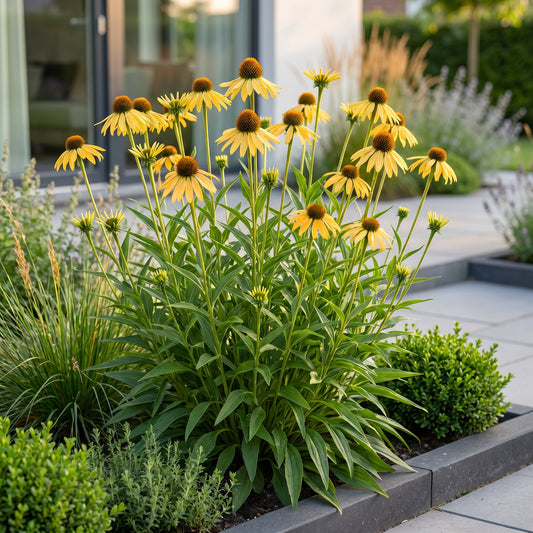
Yellow coneflower (Echinacea paradoxa) – nectar-rich perennial – 11 cm pot – height 15–25 cm
Regular price From 39,95 €Regular price -

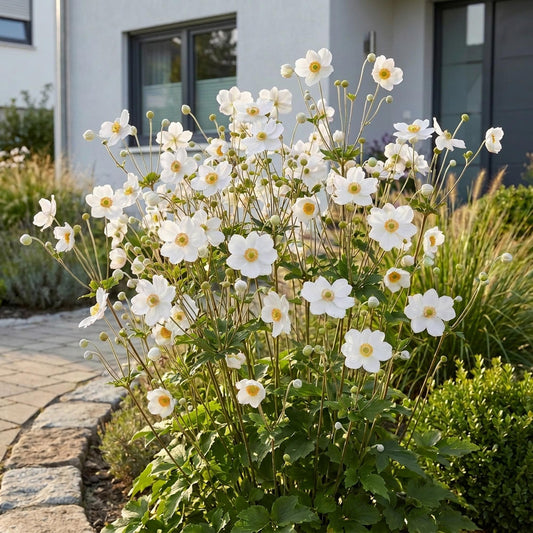
Japanese Anemone 'Honorine Jobert' (Anemone × hybrida) - autumn-flowering perennial - 11 cm pot - Height 15–25 cm
Regular price From 39,95 €Regular price -

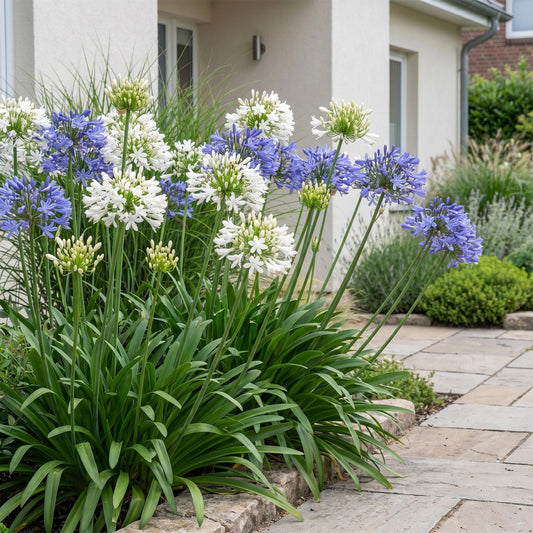
Mixed Agapanthus (Agapanthus africanus), 2 colours – blue and white – 11 cm pot – height 15–25 cm
Regular price From 64,95 €Regular price -

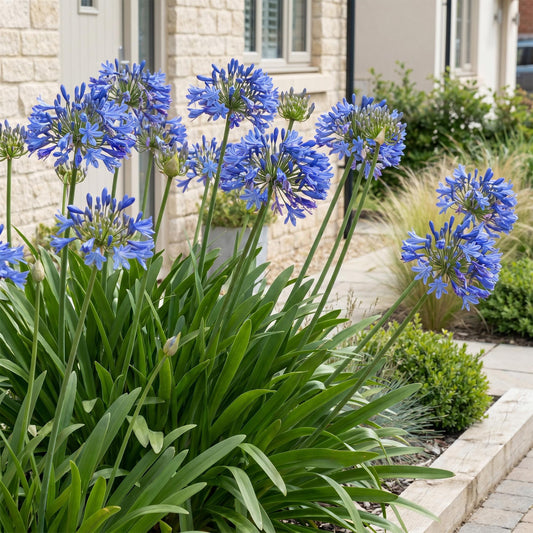
Blue African lily (Agapanthus africanus) – flowering perennial – 11 cm pot – height 15–25 cm
Regular price From 39,95 €Regular price -

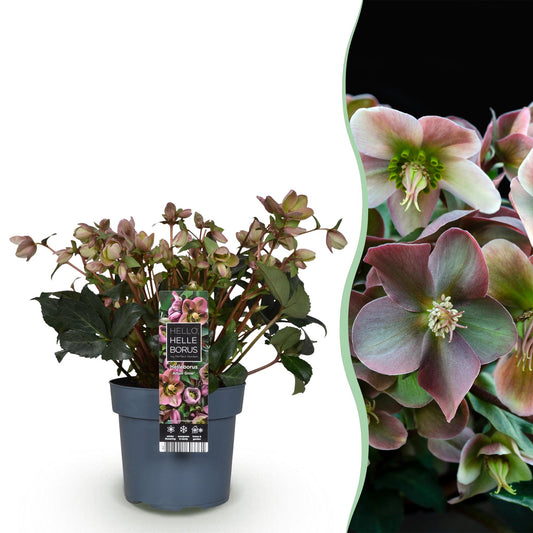
Hellebore 'Angel Glow' (Helleborus x ericsmithii) – winter-flowering perennial – 19 cm pot – height 50 cm
Regular price 59,95 €Regular price -

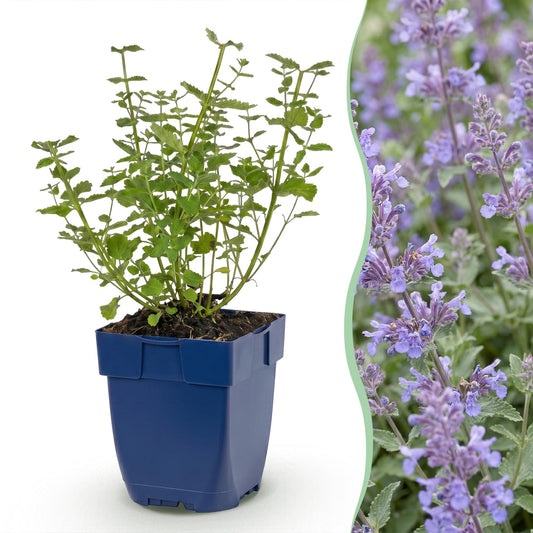
Nepeta ‘Walker’s Low’ (Nepeta × faassenii) – nectar-rich perennial – 11 cm pot – height 15–25 cm
Regular price From 39,95 €Regular price -

 Livraison offerte
Climbing rose (Rosa) – flowering climber – 11 cm pot – height 40 cm
Regular price From 39,95 €Regular price -

 Livraison offerte
‘White Fairy’ Rose (Rosa) – Fragrant shrub rose – 12 cm pot – 20 cm tall
Regular price From 39,95 €Regular price -

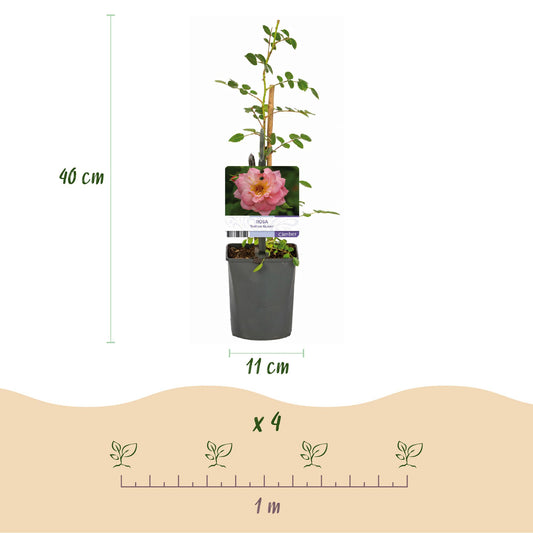
Climbing rose 'Salmon Queen' (Rosa) - flowering climber - 11 cm pot - 40 cm tall - pack of 2
Regular price 39,95 €Regular price -


‘New Dawn’ Climbing Rose (Rosa) – Flowering Climber – 11 cm Pot – 40 cm Tall – Pack of 2
Regular price 39,95 €Regular price -

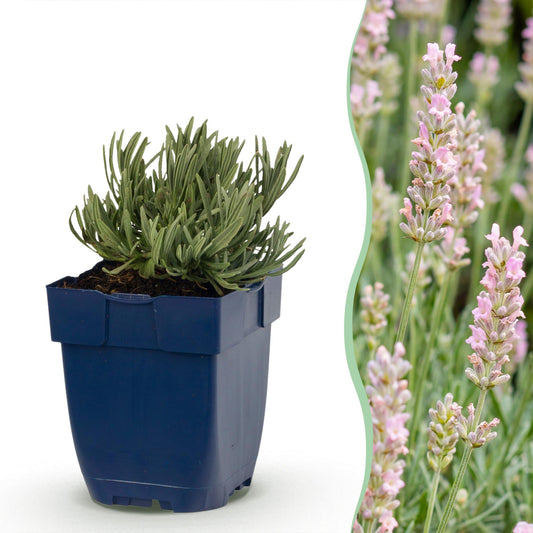
Lavender 'Rosea' (Lavandula angustifolia) - fragrant honey-producing perennial - 11 cm pot - Height 25 cm
Regular price From 39,95 €Regular price


