More than 100,00 € missing translation: "t:settings_schema.cart_progress_bar.settings.text_motivation_last.default" is not present in any of the ["en"] schema locale files
0 €
100,00 €
🚨 2026 Advent Calendar - Limited Edition!
9.9/10 OVER 3121 REVIEWS ⭐⭐⭐⭐⭐
FREE DELIVERY TO A PICK-UP POINT ON ORDERS OVER €100
188K ON INSTAGRAM @plantandstories.shop - JOIN US ! :)
👉 Mix & Match Offer: buy 2 eligible plants and automatically get 10% off
In stock
Direct from the grower - Delivered within 3–5 days
Secure packaging
30-day plant guarantee
You’re subscribed to alerts for this variant.
Back in stock alert
Get notified first
Yellow coneflower (Echinacea paradoxa) – nectar-rich perennial – 11 cm pot – height 15–25 cm
Une question ?Nos experts vous répondent01 89 48 03 62
About
Yellow Coneflower: the sunshine of American prairies in the garden
The Yellow Coneflower (Echinacea paradoxa) lives up to its Latin name: it is the only coneflower with yellow flowers in the wild, all other species being pink, purple, or white. Native to the limestone prairies of the Ozark Mountains in the United States, this botanical perennial displays long, drooping golden-yellow petals around a chocolate-brown cone. Robust and drought-tolerant, it is a magnet for pollinators.
Flowering: bright yellow flower heads 8 to 12 cm wide, brown cone, from June to August, highly melliferous
Foliage: deciduous, dark green lanceolate leaves, disappears in winter
Exposure: full sun, rather dry soil
Hardiness: hardy, down to -23 °C in well-drained soil
Use: perennial mass planting, wildflower meadow, dry garden, cut flowers
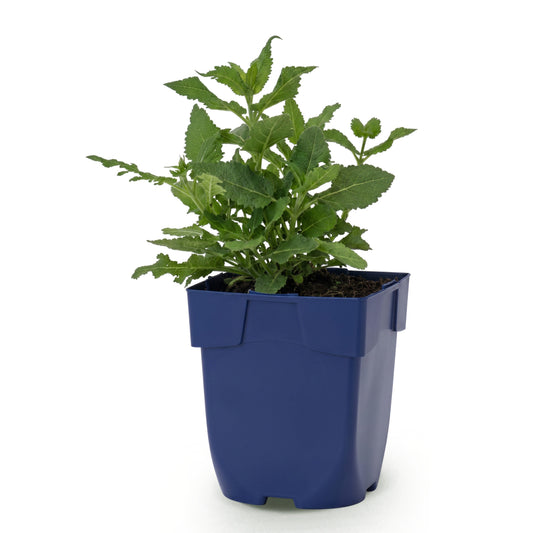
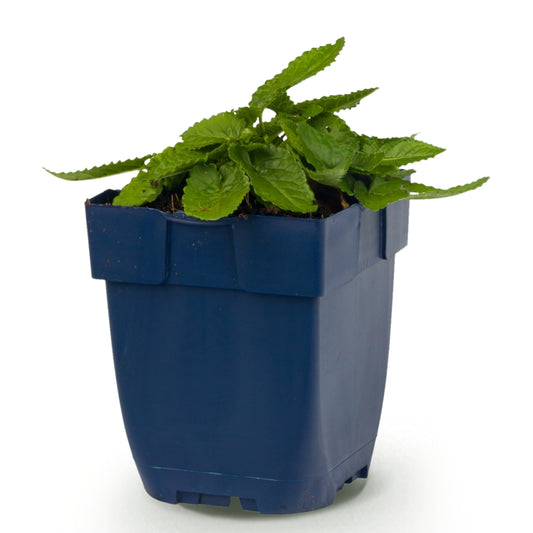
Packaging: 11 cm pot, height 15-25 cm, depending on the batch chosen: 1, 6, 12 or 24 plants
Grown and shipped directly by our partner grower, your Yellow Coneflower arrives as a vigorous young plant, ready to establish its roots and then feed the pollinators.
Description
Care instructions
Warranty
Commandez en toute sérénité 💚
Nos plantes d'intérieur, nos plantes d'extérieur et nos bulbes sont garantis 30 jours à compter de la réception.
Nos plantes sont rigoureusement sélectionnées, en pleine santé, acclimatées et expédiées dans un emballage pensé pour leur protection. Si un aléa survient pendant le transport, notre équipe est là pour vous accompagner.
💌 Comment bénéficier de la garantie ? 1. À la réception, sous 48 h : envoyez une photo de votre plante entière à sav@plantandstories.com, avec votre numéro de commande. Même si elle est en parfait état, cette photo est obligatoire : elle active votre garantie de 30 jours et nous permet de vous conseiller dès l'arrivée. Si la plante est abîmée, ajoutez une photo du dégât.
2. Pendant 30 jours : si votre plante dépérit, écrivez-nous à la même adresse avec des photos et votre numéro de commande.
3. Nous étudions votre situation et convenons avec vous d'une solution : plante équivalente, avoir, remboursement partiel ou total 💚
Conditions : la plante n'a pas été rempotée et se trouve dans son pot d'origine ; son exposition et son arrosage ont respecté sa fiche d'entretien. Les plantes livrées dans une consigne ou un casier automatique ne sont pas couvertes.
Plantes d'extérieur et bulbes : la garantie s'applique jusqu'à leur plantation. Une fois plantés en pleine terre ou dans un autre contenant, ils ne sont plus couverts. Envoyez-nous votre photo de réception avant de planter.
🧺 Un accessoire défectueux ou non conforme ?
Envoyez une photo et votre numéro de commande à la même adresse. Vous choisissez le remplacement ou la réparation ; si ce n'est pas possible, nous vous remboursons. Tous les frais sont à notre charge.
Cette garantie s'ajoute aux garanties légales. Tous les détails sont dans notre politique « Garantie, retours et remboursements ».
Shipping
Vos plantes et accessoires livrés avec soin 🌿
📦 Quand votre commande part-elle ?
Plantes : expédiées du lundi au mercredi, pour ne pas rester bloquées en transit le week-end.
Accessoires : expédiés du lundi au vendredi.
Plantes et accessoires commandés ensemble : un seul colis, expédié du lundi au mercredi.
Par grand froid ou forte chaleur, nous pouvons décaler l'envoi des plantes de quelques jours pour les protéger. Nous vous prévenons alors par e-mail.
🚚 Qui livre votre colis ?
Commandes préparées par notre équipe : UPS.
Produits « direct producteur » : DPD, puis livraison chez vous par Chronopost, qui vous propose la veille plusieurs options (dont le point relais). Pour une plante, évitez les consignes automatiques (Pickup Station), où notre garantie de 30 jours ne s'applique pas.
Votre numéro de suivi vous est envoyé par e-mail. Vous le retrouvez aussi dans votre espace client, sur la page de votre commande.
⏱ En combien de temps ?
Une fois le colis remis au transporteur :
France continentale : 1 à 2 jours ouvrés
Corse : 3 à 5 jours ouvrés
Union européenne : 24 à 48 h à domicile, 24 à 72 h en point relais
Suisse : 3 à 5 jours ouvrés
💶 Combien ça coûte ?
France continentale : point relais 7,50 €, offert dès 100 € d'achat ; domicile 9,99 €.
Produits « direct producteur » : livraison offerte, à domicile, en France continentale (hors Corse), en Belgique, en Allemagne et aux Pays-Bas.
Autres destinations : tous les tarifs sont dans notre politique d'expédition. Le montant exact s'affiche au moment du paiement.
📸 À la réception
Envoyez sous 48 h une photo de votre plante à sav@plantandstories.com, avec votre numéro de commande : elle active votre garantie.
🌱 Plantes calées sur mesure, emballages recyclables.
🤝 Une question ?
sav@plantandstories.com ou 01 89 48 03 62, du lundi au vendredi de 9 h à 17 h.
Avoid dividing: she doesn't handle being interrupted well
Fertilisation
Compost in spring; fertilizer if soil is poor
Distance de plantation
About 40 cm, or 6 plants per m²
Plante à protéger du gel
No
Type de climat
Continental
Nom latin
Echinacea paradoxa
Noms communs
Coneflower, Paradoxical Coneflower
Famille botanique
Asteraceae
Origine
Ozarks (Missouri, Arkansas)
Port
Erected
Forme du feuillage
Linear
Couleur du feuillage
Dark green
Couleur de floraison
Yellow with a brown core
Mois de floraison
June to August
Feuillage
Null and void
Parfumé
Yes
Mellifère
Yes
Usage
Shrubbery, wildflower meadow, dry garden
Destination
Open ground / Pot
Your satisfaction is our priority
If you have any questions about the delivery of your package, or if something is wrong upon its arrival, our team is here for you.
Feel free to contact us Monday through Friday, from 9 a.m. to 5 p.m., by phone at 01 89 48 03 62 or by email at sav@plantandstories.com.
We will do our utmost to find a solution quickly. 🌱
🌿 Direct from the Grower: Fresher Plants at the Best Price
No middleman between our growers and you. Superior quality, fairer prices, and a reduced carbon footprint thanks to a shorter supply chain.
💚 Your benefits
🌱 2 plants = -10%
🌱 3 plants = -15%
🌱 6 plants =-20%
The discount is automatically applied at checkout to eligible plants.
🚚 Please note
If your cart contains products shipped from multiple locations, your order may be sent in multiple packages. You will receive tracking information for each shipment.
Everything You Need to Know About Yellow coneflower (Echinacea paradoxa) – nectar-rich perennial – 11 cm pot – height 15–25 cm
Is Coneflower naturally yellow?
Yes, Yellow Coneflower (Echinacea paradoxa) is the only species in the genus whose flowers are yellow in the wild, hence its Latin name paradoxa, meaning "unexpected". All other wild coneflowers are pink or purple. The yellow, orange, or red coneflowers found in garden centers are recent hybrids obtained by crossing Echinacea paradoxa with Echinacea purpurea. The botanical species is often hardier and more long-lasting than these hybrids.
Can yellow coneflower withstand the winter cold?
Yes, Coneflower is a hardy perennial that can withstand temperatures down to around -23°C: its above-ground parts die back in winter and the rootstock regrows in spring. Dry cold poses no problem for it, unlike standing moisture, which can rot the taproot. In rainy regions with clay soils, plant it on a small mound or mix gravel into the soil. A light, mineral-based mulch protects the crown without retaining water.
When to plant Coneflower in the garden?
Plant Coneflower preferably in spring, from April to June, or in early autumn in September, when the soil is still warm. An 11 cm potted plant planted in spring can bloom in its first summer, then form a more generous clump the following year. Dig a hole twice as wide as the root ball, add gravel if the soil is heavy, tamp down and water thoroughly. Space the plants about 40 cm apart.
Is coneflowers toxic to cats and dogs?
No, yellow coneflower is not considered toxic to cats, dogs, or children: the Echinacea genus is not among the plants dangerous to pets. At most, a significant ingestion may cause mild digestive upset. The medicinal uses of echinacea mainly concern Echinacea purpurea and do not justify consuming the plant from the garden without medical advice. You can plant it without worry in a family garden.
Does Coneflower attract bees and butterflies?
Yes, Coneflower is a highly nectar-producing plant that attracts honeybees, bumblebees, wild bees, and butterflies throughout the summer. Its central cone is made up of hundreds of small, nectar- and pollen-rich flowers that open gradually. In autumn, leave a few flower heads on the plant: the seeds provide food for goldfinches. Planted in groups of three to five, it becomes a real hub for garden biodiversity.
Can yellow coneflowers be grown in pots?
Yes, Coneflower can grow in a pot provided you give it a deep container of at least 30 cm high, as it develops a taproot. Use a mixture of potting soil and sand or gravel, and make sure the bottom has good drainage. Place the pot in full sun and water as soon as the substrate is dry a few centimetres down. In winter, elevate the pot on blocks to prevent the roots from sitting in water. Repot every two or three years.
Why does my Coneflower disappear after winter?
A yellow coneflower that does not grow back in spring has most often suffered from excessive winter moisture, much more than from the cold. Its taproot rots in heavy, waterlogged soils. Other possible causes: planting too late in the autumn, a location that is too shaded, or slugs that devour the young shoots in March. To keep it for a long time, plant it in well-drained soil, in the sun, and protect the new shoots in spring.
The essentials about Yellow coneflower (Echinacea paradoxa) – nectar-rich perennial – 11 cm pot – height 15–25 cm
Yellow Coneflower (Echinacea paradoxa): characteristics and benefits
The Yellow Coneflower is a perennial in the Asteraceae family, native to the clearings and limestone prairies of the Ozark Mountains, from Missouri to Arkansas. It forms a clump of lance-shaped leaves from which, from June to August, rise upright stems 60 to 90 cm tall bearing large daisy-like flowers with drooping golden-yellow petals around a chocolate-brown cone. Its originality is unique: it is the only species of coneflower with yellow flowers, and it has served as the parent to most of the orange and yellow hybrids sold today. More hardy and more durable than the latter, it tolerates drought and poor soils.
Where to plant the Yellow Coneflower? Exposure and hardiness
Plant the Yellow Coneflower in full sun, in ordinary and above all well-drained soil, even stony or limestone. It withstands about -23 °C: the cold does not worry it, standing water in winter does. It finds its place in a perennial border, a flower meadow, a dry garden or a sunny border, always in groups for a better effect. Pair it with other nectar-producing plants to create a real pollinator garden.
How to plant and maintain the Yellow Coneflower?
Soil: ordinary, drained, even poor or limestone, without rich fertilizer.
Planting: from April to June or in September, at 40 cm apart.
Watering: regular the first year, then only during prolonged drought.
Pruning: faded flowers removed in early summer, cones kept in autumn for birds.
Protection: monitoring for slugs on young shoots in spring.
What is the difference between Yellow Coneflower and rudbeckia?
The Yellow Coneflower is often confused with rudbeckia, which also bears yellow flowers with a dark center. Several clues distinguish them: the coneflower cone is prickly to the touch (echinos means hedgehog in Greek), while that of the rudbeckia is smooth and velvety. The petals of Echinacea paradoxa are long and distinctly drooping, those of the rudbeckia rather spread out. Finally, the coneflower has a taproot and prefers dry soils, while the rudbeckia likes cooler soil.
Buy your Yellow Coneflower at Plant and Stories
Our Yellow Coneflower is delivered in a 11 cm pot, height 15-25 cm, individually or in packs of 6, 12 or 24 plants to create a flower meadow. It is grown and shipped direct from the grower by our partner grower. Adopt this rare species and order your Yellow Coneflower for a garden buzzing with bees.