-
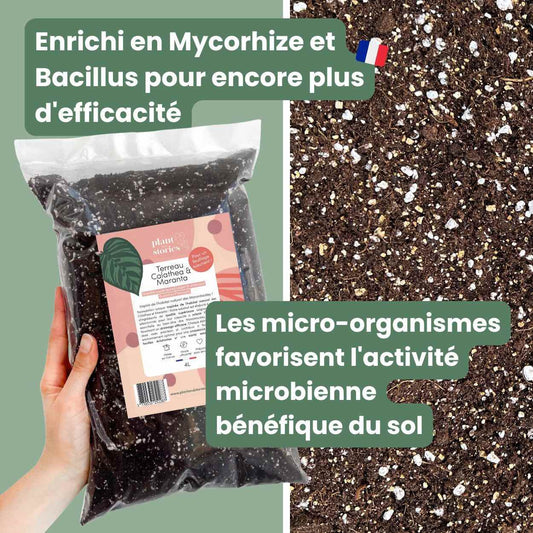
Premium Calathea & Maranta Potting Soil - Enriched with Mycorrhizae and Bacillus - Made in France
Regular price 11,99 €Regular price11,99 €Sale price 11,99 € -
Hoya Premium Potting Soil - Enriched with Mycorrhizae and Bacillus - Made in France
Regular price 11,99 €Regular price11,99 €Sale price 11,99 € -
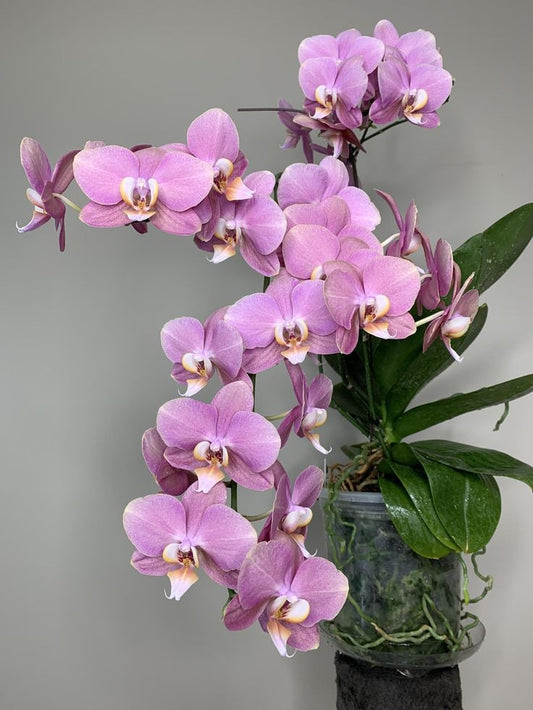
Premium Orchid Potting Soil, Orchid Substrate, Potting Soil for All Orchids 4L
Regular price 11,99 €Regular price10,95 €Sale price 11,99 € -
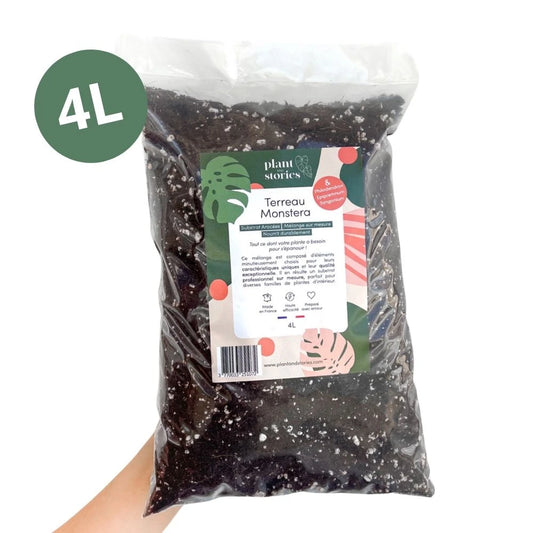
Monstera Soil - Enriched with Mycorrhiza and Bacillus - Araceae Substrate
Regular price From 9,50 €Regular price8,50 €Sale price From 9,50 € -
Pon - Hydroponic mineral substrate for plants - Hydroponic plant cultivation
Regular price From 6,50 €Regular price6,50 €Sale price From 6,50 € -
Premium Anthurium Potting Mix - Enriched with Mycorrhizae and Bacillus - Made in France
Regular price 11,99 €Regular price11,99 €Sale price 11,99 € -
Duo - Universal Substrate 10L + Universal Liquid Fertilizer 250ml + free graduated pipette
Regular price 32,00 €Regular price37,00 €Sale price 32,00 €Sale -


Duo - Hoya Premium 4L Potting Soil + Hoya Special Liquid Fertilizer 250ml + Free Graduated Pipette
Regular price 24,99 €Regular price29,99 €Sale price 24,99 €Sale -
Duo - Premium Orchid Potting Soil 4L + Special Orchid Liquid Fertilizer 250ml + Free Graduated Pipette
Regular price 24,95 €Regular price30,95 €Sale price 24,95 €Sale -


Duo-Pon hydroponic mineral substrate for plants + Liquid fertilizer - Hydroponic plant cultivation
Regular price 25,00 €Regular price29,00 €Sale price 25,00 €Sale -
Plant Addict Living Sphagnum Pack - Sphagnum for Plants - Sphagnum Moss - 3 Sachets
Regular price 26,22 €Regular price28,50 €Sale price 26,22 €Sale -
Live sphagnum moss - Sphagnum moss for plants - Sphagnum moss - Live sphagnum moss for plants
Regular price 9,50 €Regular price8,50 €Sale price 9,50 € -
Live Sphagnum Producer Pack - Sphagnum for Plants - Sphagnum Moss - 6 Sachets
Regular price 46,74 €Regular price57,00 €Sale price 46,74 €Sale -
Coconut husk chips + compressed coconut fibers - Compressed coco coir potting mix - Coco coir brick
Regular price 11,99 €Regular price -
Horticultural Perlite - Perlite for plants
Regular price From 8,50 €Regular price8,50 €Sale price From 8,50 € -

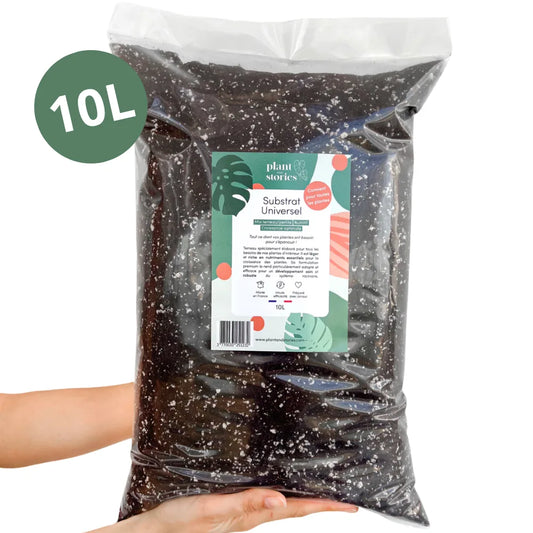
Universal Substrate enriched with Mycorrhizae and Bacillus - Premium Quality - Universal potting mix
Regular price From 9,50 €Regular price8,50 €Sale price From 9,50 € -
-
French Maritime Pine Bark 4L - Medium Size
Regular price 8,50 €Regular price8,50 €Sale price 8,50 €