-
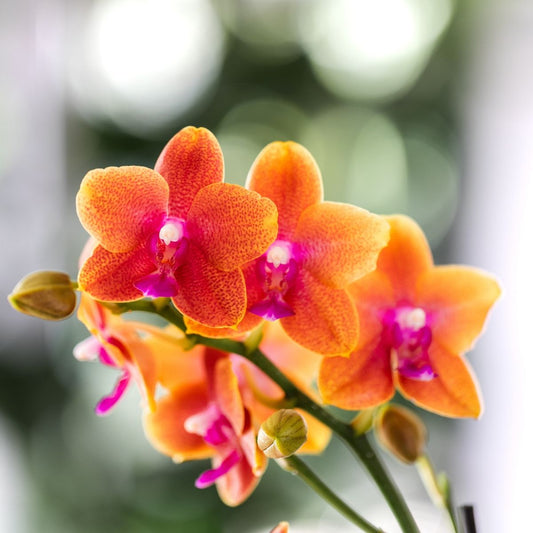
Lot de 2 ou 4 orchidées orange et roses Phalaenopsis 'Sunny Bunny' - Pot 12 cm
Regular price From 74,95 €Regular price -


Coffret cadeau orchidée orange et succulentes en cache-pots effet écorce - Pot 9 cm
Regular price 114,95 €Regular price -


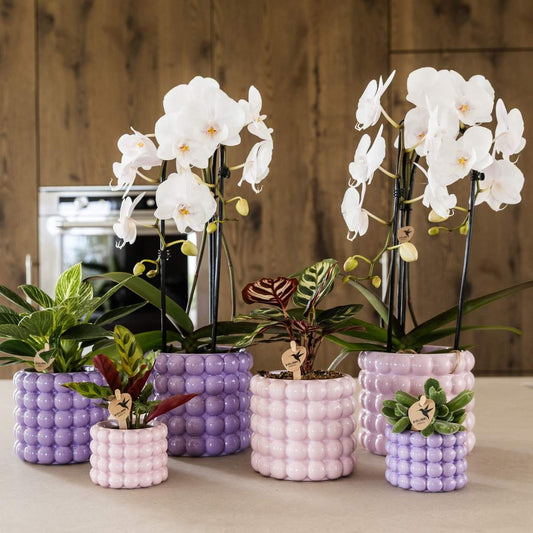
Coffret cadeau orchidée blanche au cœur rouge et succulentes en cache-pots nacrés - Pot 9 cm
Regular price 114,95 €Regular price -
Lot de 2 ou 4 orchidées orange et jaunes Phalaenopsis 'Grosseto' - Pot 9 cm
Regular price From 64,95 €Regular price -
Coffret cadeau orchidée rouge et succulentes en cache-pots noirs - Pot 9 cm
Regular price 114,95 €Regular price -
Lot de 2 ou 4 orchidées orange parfumées Phalaenopsis 'Bolgheri' - Pot 9 cm
Regular price From 64,95 €Regular price -

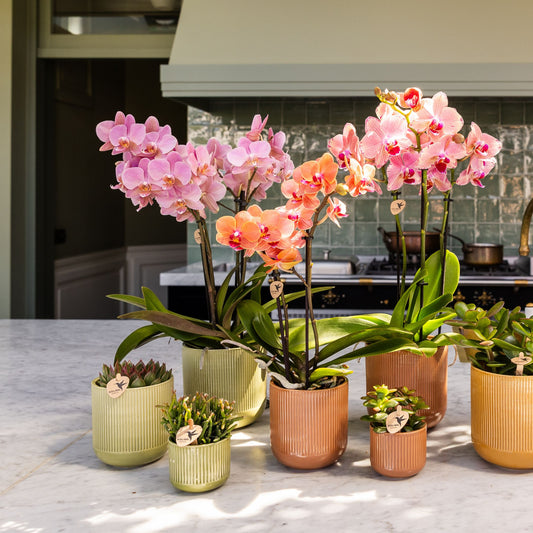
Coffret cadeau orchidée orange et jaune et succulentes en cache-pots vert rétro - Pot 9 cm
Regular price 114,95 €Regular price -

 Livraison offerte
Lot de 2 ou 4 orchidées orange Phalaenopsis 'Jamaica' - Pot 9 cm
Regular price From 64,95 €Regular price -


Coffret cadeau orchidée blanche et succulentes en cache-pots dorés brillants - Pot 9 cm
Regular price 109,95 €Regular price -
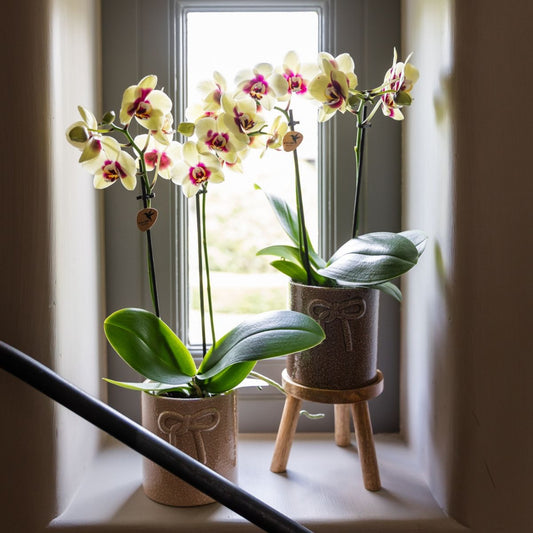
Lot de 2 ou 4 orchidées jaunes et rouges Phalaenopsis 'Uruguay' - Pot 9 cm
Regular price From 64,95 €Regular price -

 Livraison offerte
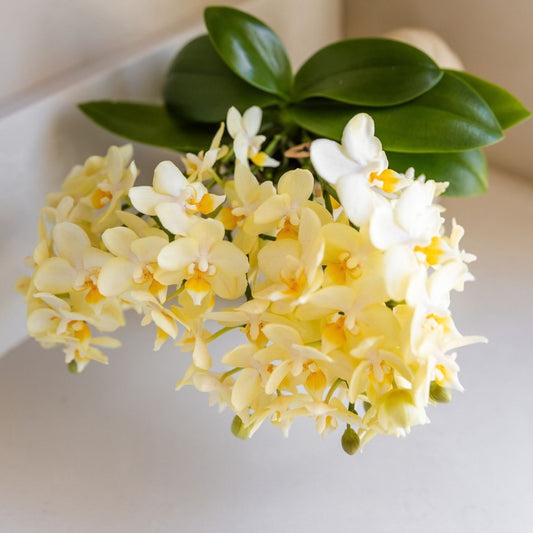
Lot de 2 ou 4 orchidées jaunes multiflores Phalaenopsis - Pot 9 cm
Regular price From 69,95 €Regular price -
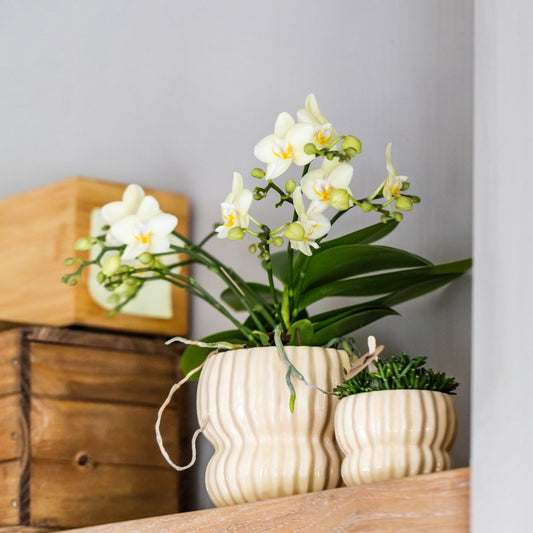
Coffret cadeau orchidée et 2 succulentes en cache-pots côtelés pastel - Pot 9 cm
Regular price 114,95 €Regular price -

 Livraison offerte
Lot de 2 ou 4 orchidées jaunes Phalaenopsis 'Lima' - Pot 9 cm
Regular price From 64,95 €Regular price -


Coffret cadeau orchidée et 2 succulentes en cache-pots nervurés, tabouret et plateau tressé - Pot 9 cm
Regular price 114,95 €Regular price -

 Livraison offerte
Lot de 2 ou 4 orchidées jaunes Phalaenopsis 'Albenga' - Pot 9 cm
Regular price From 64,95 €Regular price -
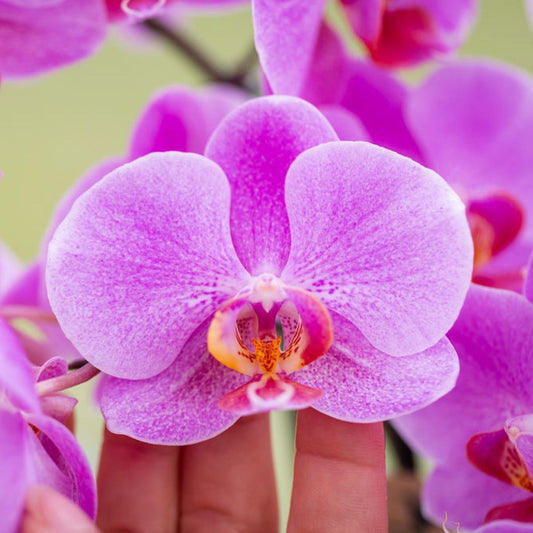
Lot de 2 ou 4 orchidées violettes Phalaenopsis 'Niagara Falls' - Pot 12 cm
Regular price From 74,95 €Regular price -
Lot de 2 ou 4 orchidées blanches Phalaenopsis 'Niagara Falls' - Pot 12 cm
Regular price From 74,95 €Regular price -

 Livraison offerte
Lot de 2 ou 4 orchidées violettes Phalaenopsis 'Chamonix' - Pot 9 cm
Regular price From 64,95 €Regular price -

 Livraison offerte
Lot de 2 ou 4 orchidées blanches Phalaenopsis 'Niagara Falls' - Pot 9 cm
Regular price From 69,95 €Regular price -
Lot de 2 ou 4 orchidées roses et violettes Phalaenopsis 'Frederikstad' - Pot 9 cm
Regular price From 64,95 €Regular price -


Lot de 2 ou 4 orchidées blanches au cœur rouge Phalaenopsis 'Gibraltar' - Pot 9 cm
Regular price From 64,95 €Regular price -
Lot de 2 ou 4 orchidées roses et violettes Phalaenopsis 'El Salvador' - Pot 9 cm
Regular price From 64,95 €Regular price -

 Livraison offerte
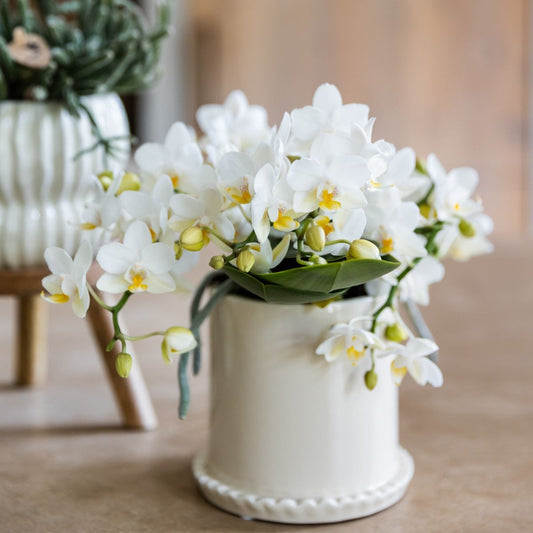
Lot de 2 ou 4 orchidées blanches Phalaenopsis 'Nazaré' - Pot 9 cm
Regular price From 69,95 €Regular price -

 Livraison offerte
Lot de 2 ou 4 orchidées roses Phalaenopsis 'Xanion' - Pot 12 cm
Regular price From 74,95 €Regular price -

 Livraison offerte
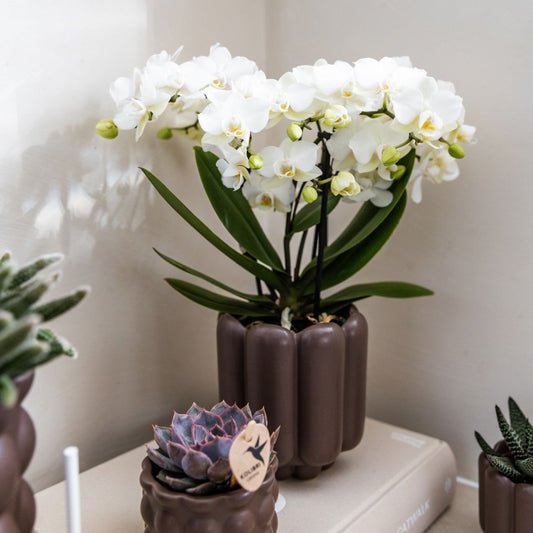
Lot de 2 ou 4 orchidées blanches Phalaenopsis 'Zurich' - Pot 9 cm
Regular price From 64,95 €Regular price -

 Livraison offerte
Lot de 2 ou 4 orchidées roses Phalaenopsis 'Chamberry' - Pot 9 cm
Regular price From 64,95 €Regular price -

 Livraison offerte
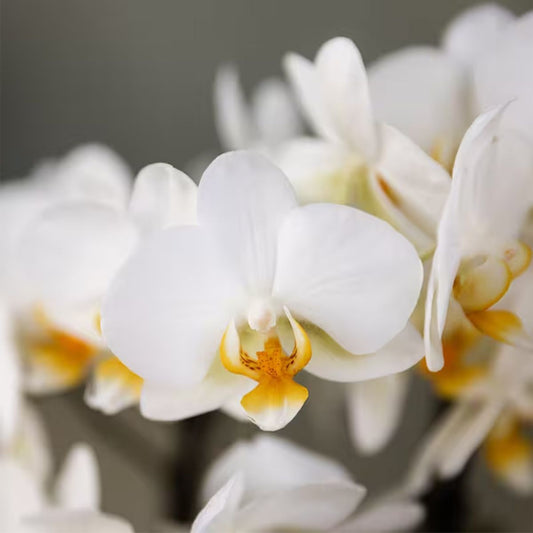
Lot de 2 ou 4 orchidées blanches Phalaenopsis 'Lausanne' - Pot 12 cm
Regular price From 94,95 €Regular price -

 Livraison offerte
Lot de 2 ou 4 orchidées roses Phalaenopsis 'Antwerpen' - Pot 9 cm
Regular price From 64,95 €Regular price -

 Livraison offerte
Lot de 2 ou 4 orchidées blanches Phalaenopsis 'Lausanne' - Pot 9 cm
Regular price From 64,95 €Regular price -

 Livraison offerte
Lot de 2 ou 4 orchidées rose saumon Phalaenopsis 'Narbonne' - Pot 12 cm
Regular price From 74,95 €Regular price -

 Livraison offerte
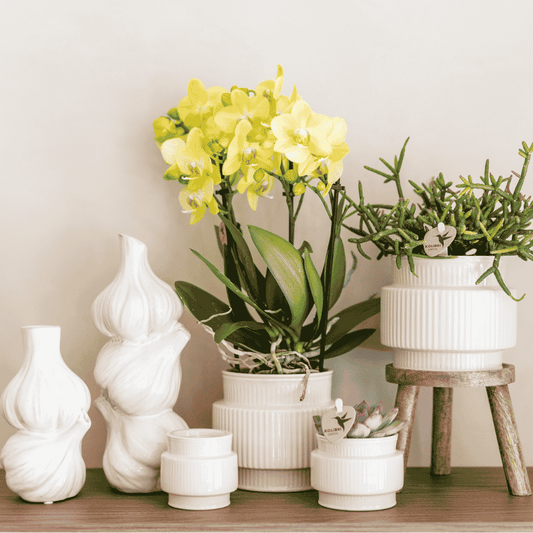
Coffret cadeau orchidée et succulente en cache-pots nervurés - Pot 9 cm
Regular price 74,95 €Regular price -

 Livraison offerte
Kolibri Orchids | White Phalaenopsis Orchid - Niagara Fall White - Ø9cm
Regular price 44,95 €Regular price -
-
-