


-

 Livraison offerte
Tricolour Mountain Clematis Mix (Clematis montana) – flowering climbers
Regular price From 49,95 €Regular price -

 Livraison offerte
Old Man’s Beard (Clematis vitalba) – fragrant climbing plant
Regular price From 39,95 €Regular price -

 Livraison offerte
Tangut clematis (Clematis tangutica) – flowering climber
Regular price From 39,95 €Regular price -

 Livraison offerte
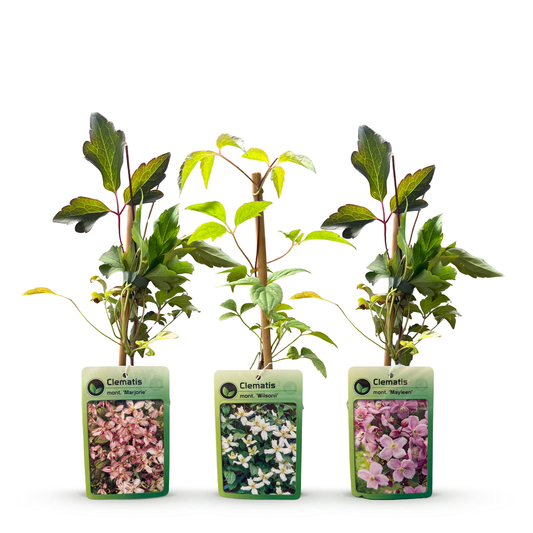
Mountain clematis ‘Mayleen’ (Clematis montana) – fragrant climber
Regular price From 39,95 €Regular price -

 Livraison offerte
Mountain clematis 'Marjorie' (Clematis montana) – flowering climber
Regular price From 39,95 €Regular price -

 Livraison offerte
Wilson’s mountain clematis (Clematis montana) – fragrant climbing plant
Regular price From 39,95 €Regular price -

 Livraison offerte
Rainbow Clematis in a mix of colors (Clematis) – flowering climbers
Regular price From 49,95 €Regular price -

 Livraison offerte
Tricolor Clematis in a mix of colors (Clematis) – flowering climbers
Regular price From 64,95 €Regular price -

 Livraison offerte
Blue & Red Duo Clematis (Clematis) – large-flowered climbing plants
Regular price From 44,95 €Regular price -

 Livraison offerte
Violet & Pink Clematis Duo - large-flowered climbing plants
Regular price From 44,95 €Regular price -

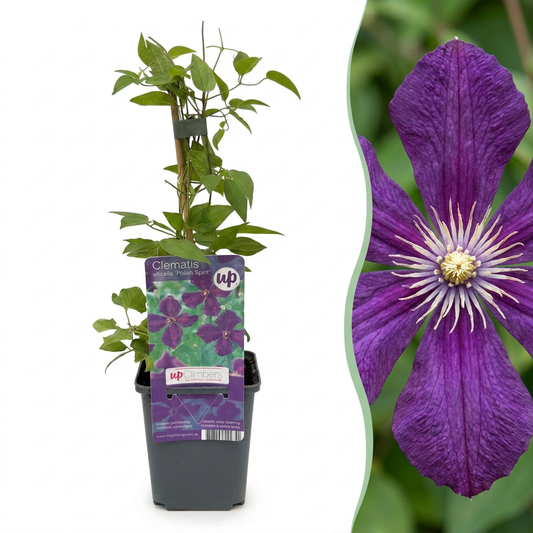
Clematis viticella 'Polish Spirit' (Clematis) – climbing plant with abundant deep violet flowers
Regular price From 49,95 €Regular price -

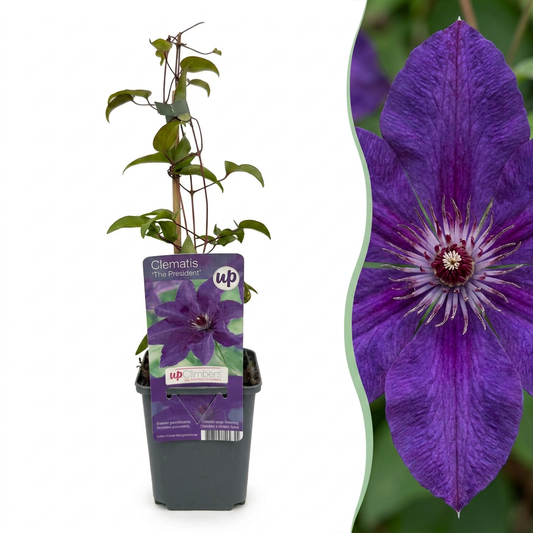
‘The President’ clematis (Clematis) – climbing plant with large violet-blue flowers
Regular price From 49,95 €Regular price -

 Livraison offerte
'Piilu' Clematis - climbing plant with large pink and white flowers
Regular price From 49,95 €Regular price -

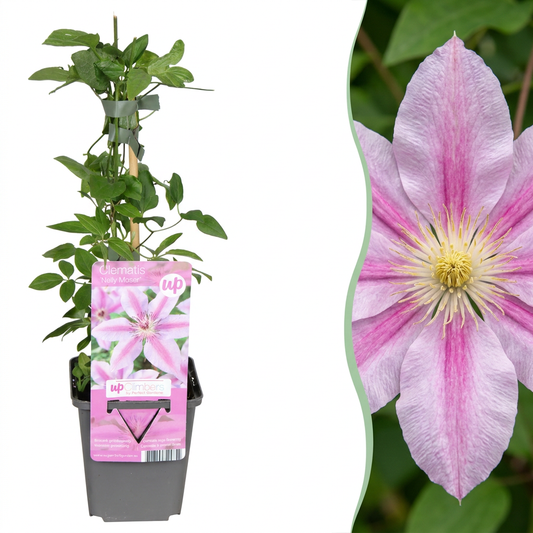
‘Nelly Moser’ Clematis – large-flowered climber with pink blooms striped in bright pink
Regular price From 49,95 €Regular price -

 Livraison offerte
‘Miss Bateman’ Clematis – climbing plant with large white flowers
Regular price From 49,95 €Regular price -

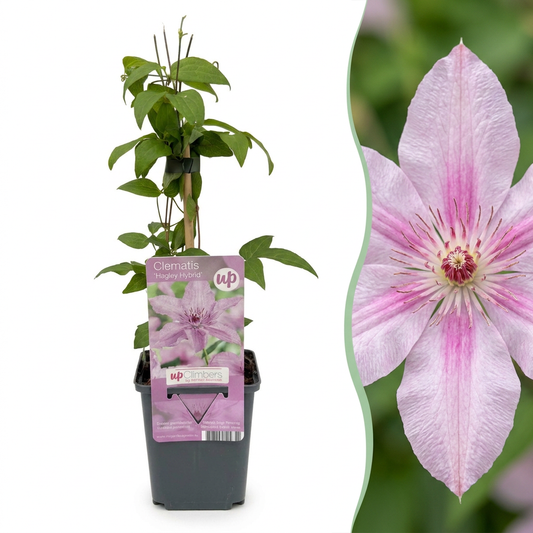
'Hagley Hybrid' clematis (Clematis) – climbing plant with large pearly pink flowers
Regular price From 49,95 €Regular price -
'Huldine' clematis (Clematis) – climbing plant with large pearly white flowers
Regular price From 44,95 €Regular price -
Clematis ‘Justa’ (Clematis) – climbing plant with large, light-blue flowers
Regular price From 49,95 €Regular price -

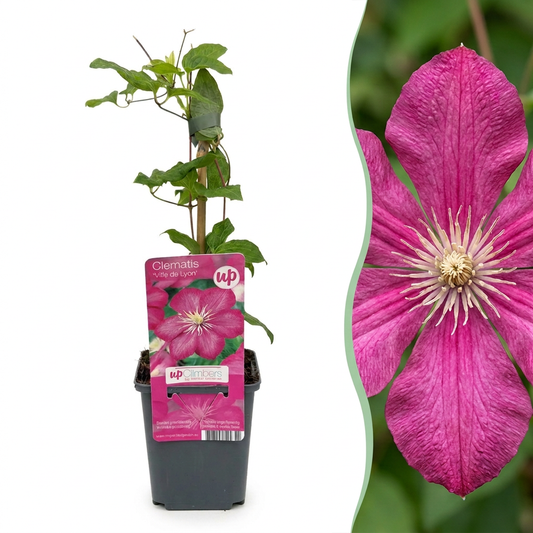
'Ville de Lyon' clematis (Clematis) – climbing plant with large carmine-pink flowers
Regular price From 44,95 €Regular price -
Clematis ‘Warszawska Nike’ (Clematis) – large-flowered, velvety-red climber
Regular price From 39,95 €Regular price -
‘Étoile Violette’ Clematis (Clematis) – climbing plant with large violet flowers
Regular price From 39,95 €Regular price -

 Livraison offerte
‘Rouge Cardinal’ Clematis — climbing plant with large red flowers
Regular price From 39,95 €Regular price -

 Livraison offerte
Pink & White Duo Clematis - Large-Flowered Climbing Plants
Regular price From 44,95 €Regular price -

 Livraison offerte
‘Multi Blue’ Clematis – large-flowered climber with blue blooms
Regular price From 39,95 €Regular price -

 Livraison offerte
Clematis (Clematis) - flowering climber
Regular price From 39,95 €Regular price -

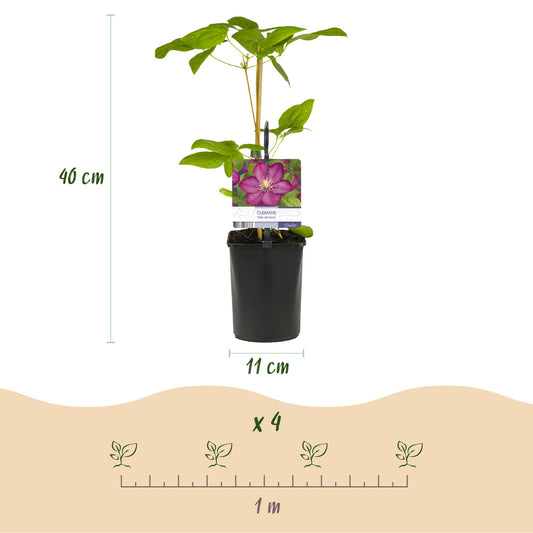
Clematis 'Ville de Lyon' (Clematis) - flowering climber - 11 cm pot - Height 40 cm - Pack of 2
Regular price 44,95 €Regular price -

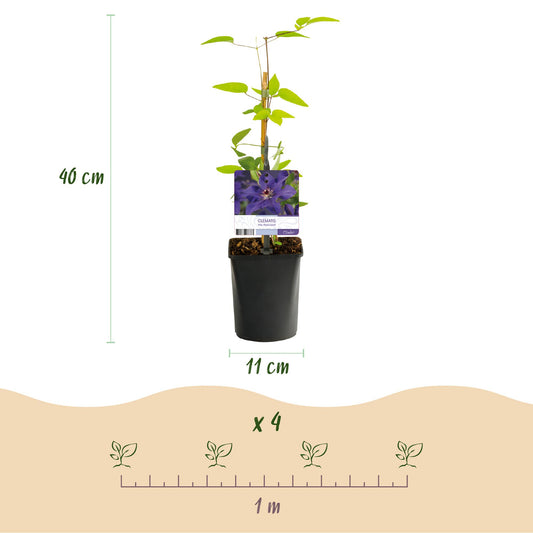
Clematis 'The President' (Clematis) - flowering climber - 9 cm pot - Height 35 cm - Set of 2
Regular price 44,95 €Regular price -

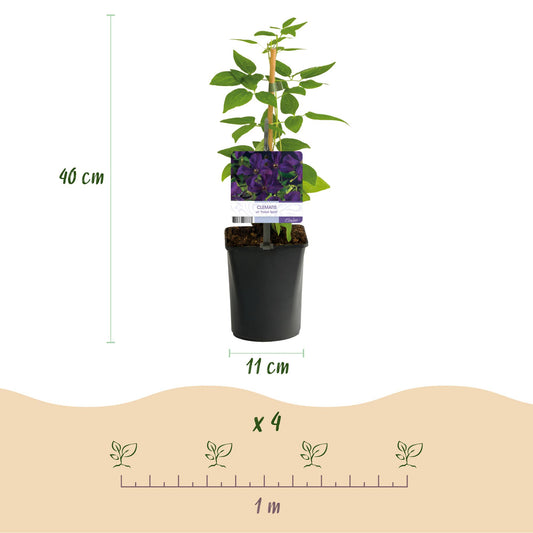
Clematis 'Polish Spirit' (Clematis) - flowering climber - 9 cm pot - Height 35 cm - Set of 2
Regular price 44,95 €Regular price -

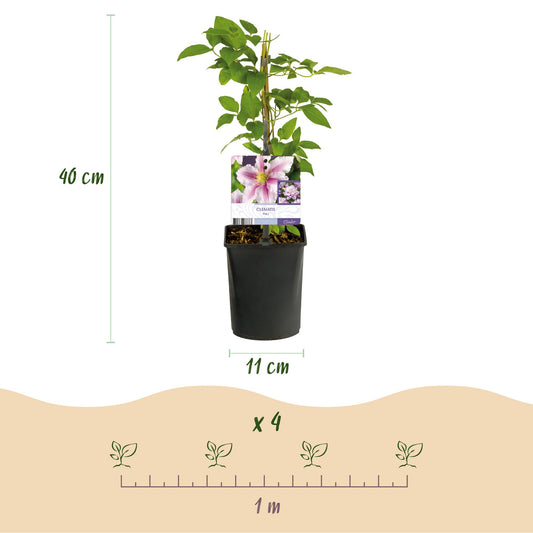
Clematis 'Piilu' (Clematis) - flowering climber - 9 cm pot - Height 35 cm - Set of 2
Regular price 44,95 €Regular price -

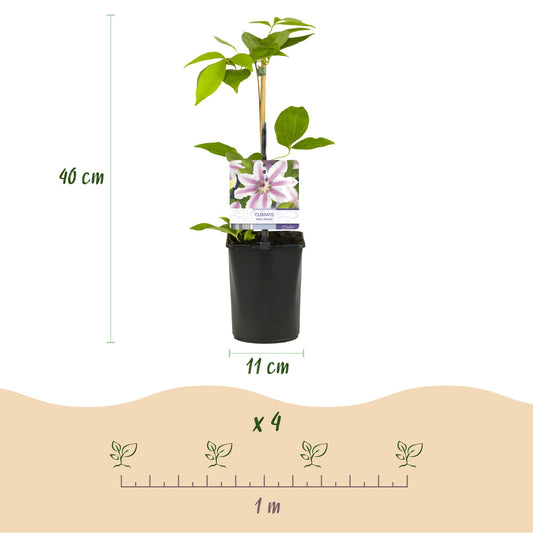
Clematis 'Nelly Moser' (Clematis) - flowering climber - 9 cm pot - Height 35 cm - Set of 2
Regular price 44,95 €Regular price -

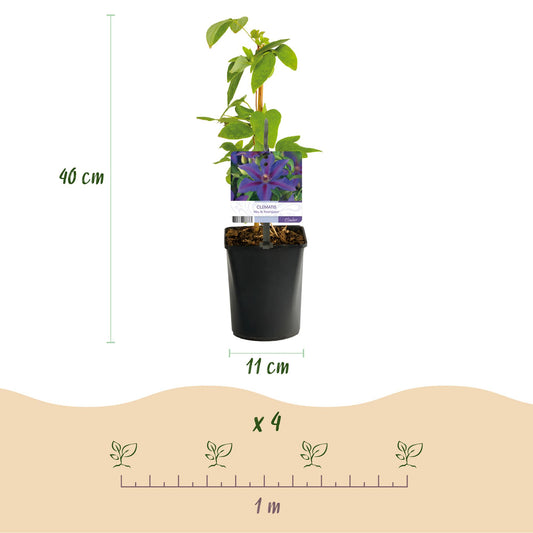
Clematis 'Mrs. N. Thompson' (Clematis) - flowering climber - 11 cm pot - Height 40 cm - Pack of 2
Regular price 39,95 €Regular price -

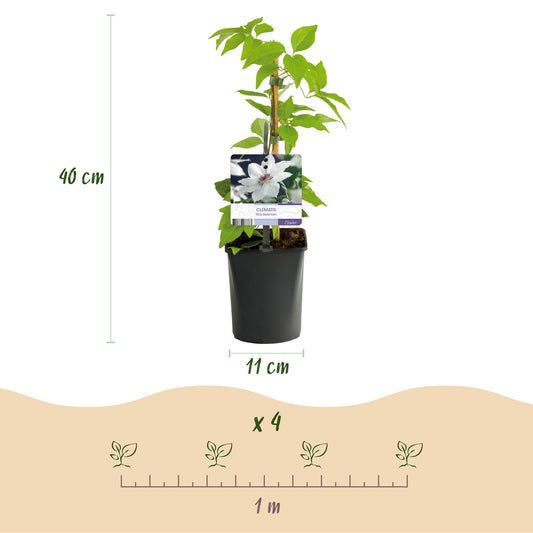
Clematis 'Miss Bateman' (Clematis) - flowering climber - 9 cm pot - Height 35 cm - Pack of 2
Regular price 44,95 €Regular price


