More than 100,00 € missing translation: "t:settings_schema.cart_progress_bar.settings.text_motivation_last.default" is not present in any of the ["en"] schema locale files
0 €
100,00 €
🚨 2026 Advent Calendar - Limited Edition!
9.9/10 OVER 3121 REVIEWS ⭐⭐⭐⭐⭐
FREE DELIVERY TO A PICK-UP POINT ON ORDERS OVER €100
188K ON INSTAGRAM @plantandstories.shop - JOIN US ! :)
👉 Mix & Match Offer: buy 2 eligible plants and automatically get 10% off
In stock
Direct from the grower - Delivered within 3–5 days
Secure packaging
30-day plant guarantee
You’re subscribed to alerts for this variant.
Back in stock alert
Get notified first
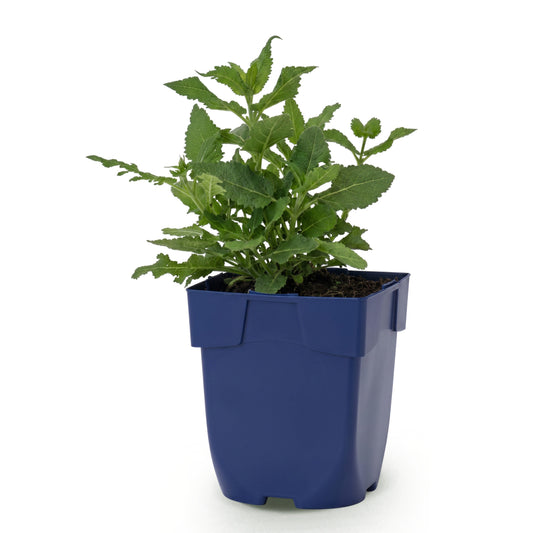
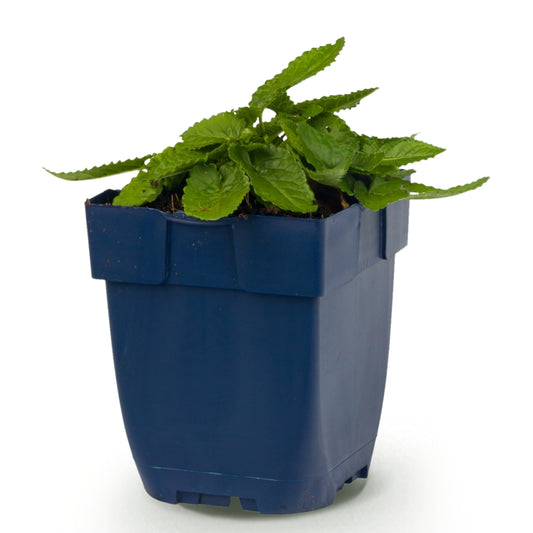
Honeyberry (Lonicera caerulea var. kamtschatica) – edible blue-berried honeysuckle – 9 cm pot
Une question ?Nos experts vous répondent01 89 48 03 62
About
Honeyberry: the garden’s first blue berries
The honeyberry, or edible honeysuckle (Lonicera caerulea var. kamtschatica), is one of the earliest small fruits: its elongated, waxy, midnight-blue berries ripen from late May, before strawberries. It is also known as the haskap berry or honeyberry. Native to Kamchatka, it is hardy down to -40°C. To fruit well, it needs cross-pollination between genetically different plants: plant several, ideally including another variety.
Flowering: small pale yellow flowers in March–April, which withstand -7°C and provide food for bumblebees
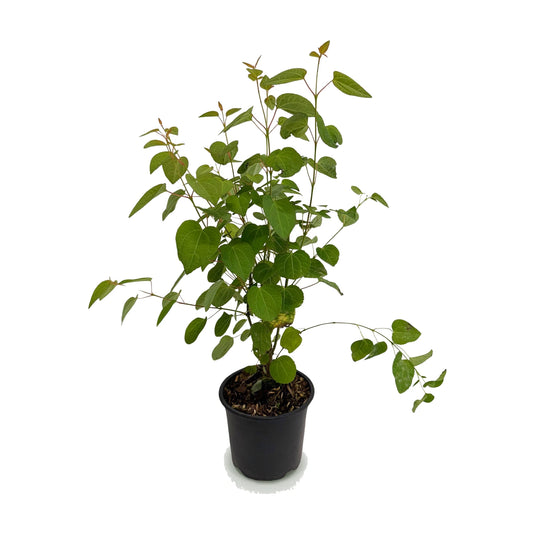
Foliage: deciduous, gray-green, on a rounded 1- to 1.5-metre shrub
Position: sun to partial shade; partial shade is recommended in southern regions
Hardiness: down to -40°C for the wood; flowers tolerate late frosts
Uses: fruiting hedge, home orchard, large pot, fresh fruit, jams and juice
Supplied as: young plants in 9 cm pots, depending on the selected pack: 3 or 6 plants
Grown and shipped directly by our partner nursery, these young honeyberry plants get your soft-fruit season started a month ahead of everyone else.
Description
Care instructions
Warranty
Commandez en toute sérénité 💚
Nos plantes d'intérieur, nos plantes d'extérieur et nos bulbes sont garantis 30 jours à compter de la réception.
Nos plantes sont rigoureusement sélectionnées, en pleine santé, acclimatées et expédiées dans un emballage pensé pour leur protection. Si un aléa survient pendant le transport, notre équipe est là pour vous accompagner.
💌 Comment bénéficier de la garantie ? 1. À la réception, sous 48 h : envoyez une photo de votre plante entière à sav@plantandstories.com, avec votre numéro de commande. Même si elle est en parfait état, cette photo est obligatoire : elle active votre garantie de 30 jours et nous permet de vous conseiller dès l'arrivée. Si la plante est abîmée, ajoutez une photo du dégât.
2. Pendant 30 jours : si votre plante dépérit, écrivez-nous à la même adresse avec des photos et votre numéro de commande.
3. Nous étudions votre situation et convenons avec vous d'une solution : plante équivalente, avoir, remboursement partiel ou total 💚
Conditions : la plante n'a pas été rempotée et se trouve dans son pot d'origine ; son exposition et son arrosage ont respecté sa fiche d'entretien. Les plantes livrées dans une consigne ou un casier automatique ne sont pas couvertes.
Plantes d'extérieur et bulbes : la garantie s'applique jusqu'à leur plantation. Une fois plantés en pleine terre ou dans un autre contenant, ils ne sont plus couverts. Envoyez-nous votre photo de réception avant de planter.
🧺 Un accessoire défectueux ou non conforme ?
Envoyez une photo et votre numéro de commande à la même adresse. Vous choisissez le remplacement ou la réparation ; si ce n'est pas possible, nous vous remboursons. Tous les frais sont à notre charge.
Cette garantie s'ajoute aux garanties légales. Tous les détails sont dans notre politique « Garantie, retours et remboursements ».
Shipping
Vos plantes et accessoires livrés avec soin 🌿
📦 Quand votre commande part-elle ?
Plantes : expédiées du lundi au mercredi, pour ne pas rester bloquées en transit le week-end.
Accessoires : expédiés du lundi au vendredi.
Plantes et accessoires commandés ensemble : un seul colis, expédié du lundi au mercredi.
Par grand froid ou forte chaleur, nous pouvons décaler l'envoi des plantes de quelques jours pour les protéger. Nous vous prévenons alors par e-mail.
🚚 Qui livre votre colis ?
Commandes préparées par notre équipe : UPS.
Produits « direct producteur » : DPD, puis livraison chez vous par Chronopost, qui vous propose la veille plusieurs options (dont le point relais). Pour une plante, évitez les consignes automatiques (Pickup Station), où notre garantie de 30 jours ne s'applique pas.
Votre numéro de suivi vous est envoyé par e-mail. Vous le retrouvez aussi dans votre espace client, sur la page de votre commande.
⏱ En combien de temps ?
Une fois le colis remis au transporteur :
France continentale : 1 à 2 jours ouvrés
Corse : 3 à 5 jours ouvrés
Union européenne : 24 à 48 h à domicile, 24 à 72 h en point relais
Suisse : 3 à 5 jours ouvrés
💶 Combien ça coûte ?
France continentale : point relais 7,50 €, offert dès 100 € d'achat ; domicile 9,99 €.
Produits « direct producteur » : livraison offerte, à domicile, en France continentale (hors Corse), en Belgique, en Allemagne et aux Pays-Bas.
Autres destinations : tous les tarifs sont dans notre politique d'expédition. Le montant exact s'affiche au moment du paiement.
📸 À la réception
Envoyez sous 48 h une photo de votre plante à sav@plantandstories.com, avec votre numéro de commande : elle active votre garantie.
🌱 Plantes calées sur mesure, emballages recyclables.
🤝 Une question ?
sav@plantandstories.com ou 01 89 48 03 62, du lundi au vendredi de 9 h à 17 h.
If you have any questions about the delivery of your package, or if something is wrong upon its arrival, our team is here for you.
Feel free to contact us Monday through Friday, from 9 a.m. to 5 p.m., by phone at 01 89 48 03 62 or by email at sav@plantandstories.com.
We will do our utmost to find a solution quickly. 🌱
🌿 Direct from the Grower: Fresher Plants at the Best Price
No middleman between our growers and you. Superior quality, fairer prices, and a reduced carbon footprint thanks to a shorter supply chain.
💚 Your benefits
🌱 2 plants = -10%
🌱 3 plants = -15%
🌱 6 plants =-20%
The discount is automatically applied at checkout to eligible plants.
🚚 Please note
If your cart contains products shipped from multiple locations, your order may be sent in multiple packages. You will receive tracking information for each shipment.
Everything You Need to Know About Honeyberry (Lonicera caerulea var. kamtschatica) – edible blue-berried honeysuckle – 9 cm pot
Do you need several fruit trees to get fruit?
Yes, the camerisier is self-sterile: a single plant produces very few berries, and at least two genetically different plants flowering at the same time are required. Let's be honest: plants from the same origin sold under the same name do not guarantee perfect pollination among themselves. For a guaranteed harvest, plant this batch in a group and add another variety named Lonicera caerulea within 10 meters, which bumblebees will visit in early spring.
Are honeysuckle berries edible, unlike those of other honeysuckles?
Yes, honeysuckle berries (Lonicera caerulea) are perfectly edible; in fact, that is why it is cultivated. It is an exception among the Lonicera genus: the red or black berries of most ornamental and wild honeysuckles, such as woodbine or Tartarian honeysuckle, are actually slightly toxic. Do not confuse the species, and teach children to only pick the blue, oblong, waxy berries of the honeysuckle.
What do camerounian pepper berries taste like?
Camperdown berries have a tart, fruity flavor, often compared to a blend of blueberry, blackcurrant, and raspberry, sometimes with a slight bitterness at the finish. Their taste mellows if left on the bush for a few more days after they have turned blue. Very rich in antioxidants, they can be eaten fresh, in yogurt or a smoothie, and make excellent jams, jellies, and juices, either on their own or mixed with strawberries.
When to harvest May berries from the African plum tree?
Blackberries are harvested from late May to mid-June, making them the very first soft fruit of the season, before field strawberries. Be careful: the berries turn blue before they are ripe. Open one: if the flesh is purple all the way through, they are ready; if it is still green, wait a little longer. Once ripe, they come off easily by gently shaking the branches over a sheet. Lay down a net, as blackbirds spot them just as quickly as you do.
Can the camerisier withstand the heat of the south of France?
The camellia tree is primarily a plant of cold climates: it loves harsh winters but suffers in hot, dry summers. In the South, it can still be grown if you provide it with afternoon shade, cool, deep soil, thick mulch, and regular watering in spring. It often loses its leaves early in the summer in these regions, without serious consequences since its harvest is already over in June. It excels in the North, the East, and in the mountains.
Can you grow a camerisier in a pot on a terrace?
Yes, the camellia can be grown in pots thanks to its compact size of 1 to 1.5 meters, provided that at least two pots are placed side by side for pollination. Allow for 30 to 40-liter containers, a mixture of potting soil, garden soil, and compost, and good drainage. In pots, watering becomes essential in spring: the substrate must never dry out during berry formation. Place the pots in the morning sun, sheltered from the hot afternoon sun.
When and how to prune the camerise tree?
The camellia bush requires almost no pruning initially: let it grow freely for three or four years, removing only dead wood. It bears fruit on the previous year's growth, so never cut back the entire bush. Once mature, in late winter before the buds burst, cut about a fifth of the oldest branches at their base, as well as those that clutter the centre. The bush renews itself and the harvest remains abundant.
The essentials about Honeyberry (Lonicera caerulea var. kamtschatica) – edible blue-berried honeysuckle – 9 cm pot
Honeysuckle (Lonicera caerulea var. kamtschatica): characteristics and benefits
The honeysuckle, also known as edible honeysuckle, May berry or honeysuckle berry, is a deciduous fruit bush native to Kamchatka and Siberia. It forms a rounded bush 1 to 1.5 metres tall with grey-green foliage, flowers in March-April and produces midnight-blue berries from late May, elongated and covered with a powdery bloom, with a tangy taste between blueberry and blackcurrant. Its hardiness down to -40 °C, its early fruiting and richness in antioxidants make it a small fruit increasingly prized by gardeners who want to harvest early in the season.
Where to plant the honeysuckle? Exposure and hardiness
The honeysuckle grows in sun or partial shade, in cool, humus-rich soil. It is ideal in cold regions and at high altitudes, where few fruit plants succeed, and can also grow in the South in partial shade with good mulching. Planted in a fruit hedge with other small fruits and fruit bushes, it opens the harvest season one month before gooseberries and raspberries.
How to plant and maintain the honeysuckle?
Planting: from October to March, in groups, at an interval of about 1 metre
Soil: cool, humus-rich and well-drained, ideal pH of 5.5 to 7
Watering: regular during the first year and from April to June during berry formation
Pruning: none during the first few years, then renewal of one-fifth of the old wood in late winter
Harvest: late May to mid-June, when the flesh is purple to the core
Honeysuckle and pollination: how many plants are needed?
The honeysuckle is self-sterile: its flowers must receive pollen from a genetically different plant, brought mainly by bumblebees, which are active even in cool weather. Therefore, at least two plants are needed, and growers recommend one pollinator plant for every four to six plants. Plants from the same origin do not always pollinate each other well: to secure the harvest, plant this group together and pair it with another variety of Lonicera caerulea flowering at the same time. This will increase both the number and size of the berries.
Buy honeysuckle from Plant and Stories
Our young honeysuckle plants are delivered in 9 cm pots, in lots of 3 or 6 plants to immediately form a pollinating group and a small edible hedge. They are grown and shipped directly from our partner nursery, ready to be planted. Adopt the honeysuckle and harvest the first blue berries of your garden every spring.