More than 100,00 € missing translation: "t:settings_schema.cart_progress_bar.settings.text_motivation_last.default" is not present in any of the ["en"] schema locale files
0 €
100,00 €
🚨 2026 Advent Calendar - Limited Edition!
9.9/10 OVER 3121 REVIEWS ⭐⭐⭐⭐⭐
FREE DELIVERY TO A PICK-UP POINT ON ORDERS OVER €100
188K ON INSTAGRAM @plantandstories.shop - JOIN US ! :)
🌸 Long blooming period🐝 Attracts bees❄️ Frost-resistant
Quantity
👉 Mix & Match Offer: buy 2 eligible plants and automatically get 10% off
In stock
Direct from the grower - Delivered within 3–5 days
Secure packaging
30-day plant guarantee
You’re subscribed to alerts for this variant.
Back in stock alert
Get notified first
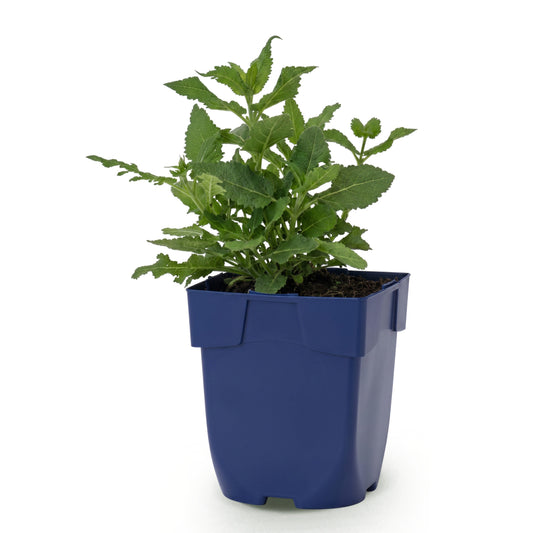
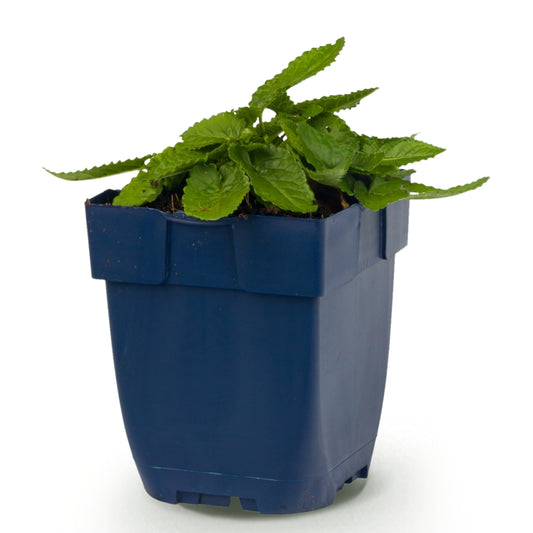
Knotweed mix, 3 colours (Persicaria amplexicaulis) – red, pink and white – 11 cm pot – height 15–25 cm
Une question ?Nos experts vous répondent01 89 48 03 62
About
Mixed Persicaria amplexicaulis: three colors for an endless summer
This collection brings together Persicaria amplexicaulis (Persicaria amplexicaulis) supplied in a mix of all three colors: red, pink and white. From July until the first frosts, this hardy Himalayan perennial sends up a forest of slender flower spikes above lush foliage, creating a vibrant, natural-looking border. Don’t worry: it’s nothing like Japanese knotweed; it forms a well-behaved clump.
Flowering: narrow crimson-red, soft pink and white spikes from July to October; highly attractive to pollinators
Foliage: deciduous, with large, medium-green, heart-shaped leaves; forms a clump 90 to 120 cm tall when in flower
Exposure: full sun to partial shade; soil that stays moist
Hardiness: very hardy, down to -25 °C
Uses: naturalistic borders, large borders, pond edges, grass gardens
Packaging: 11 cm pot, 15–25 cm tall on delivery; according to the pack size chosen: 6, 12 or 24 plants in a red, pink and white mix
Grown directly by our partner nursery, your Persicaria amplexicaulis plants arrive ready to flower in their very first summer.
Description
Care instructions
Warranty
Commandez en toute sérénité 💚
Nos plantes d'intérieur, nos plantes d'extérieur et nos bulbes sont garantis 30 jours à compter de la réception.
Nos plantes sont rigoureusement sélectionnées, en pleine santé, acclimatées et expédiées dans un emballage pensé pour leur protection. Si un aléa survient pendant le transport, notre équipe est là pour vous accompagner.
💌 Comment bénéficier de la garantie ? 1. À la réception, sous 48 h : envoyez une photo de votre plante entière à sav@plantandstories.com, avec votre numéro de commande. Même si elle est en parfait état, cette photo est obligatoire : elle active votre garantie de 30 jours et nous permet de vous conseiller dès l'arrivée. Si la plante est abîmée, ajoutez une photo du dégât.
2. Pendant 30 jours : si votre plante dépérit, écrivez-nous à la même adresse avec des photos et votre numéro de commande.
3. Nous étudions votre situation et convenons avec vous d'une solution : plante équivalente, avoir, remboursement partiel ou total 💚
Conditions : la plante n'a pas été rempotée et se trouve dans son pot d'origine ; son exposition et son arrosage ont respecté sa fiche d'entretien. Les plantes livrées dans une consigne ou un casier automatique ne sont pas couvertes.
Plantes d'extérieur et bulbes : la garantie s'applique jusqu'à leur plantation. Une fois plantés en pleine terre ou dans un autre contenant, ils ne sont plus couverts. Envoyez-nous votre photo de réception avant de planter.
🧺 Un accessoire défectueux ou non conforme ?
Envoyez une photo et votre numéro de commande à la même adresse. Vous choisissez le remplacement ou la réparation ; si ce n'est pas possible, nous vous remboursons. Tous les frais sont à notre charge.
Cette garantie s'ajoute aux garanties légales. Tous les détails sont dans notre politique « Garantie, retours et remboursements ».
Shipping
Vos plantes et accessoires livrés avec soin 🌿
📦 Quand votre commande part-elle ?
Plantes : expédiées du lundi au mercredi, pour ne pas rester bloquées en transit le week-end.
Accessoires : expédiés du lundi au vendredi.
Plantes et accessoires commandés ensemble : un seul colis, expédié du lundi au mercredi.
Par grand froid ou forte chaleur, nous pouvons décaler l'envoi des plantes de quelques jours pour les protéger. Nous vous prévenons alors par e-mail.
🚚 Qui livre votre colis ?
Commandes préparées par notre équipe : UPS.
Produits « direct producteur » : DPD, puis livraison chez vous par Chronopost, qui vous propose la veille plusieurs options (dont le point relais). Pour une plante, évitez les consignes automatiques (Pickup Station), où notre garantie de 30 jours ne s'applique pas.
Votre numéro de suivi vous est envoyé par e-mail. Vous le retrouvez aussi dans votre espace client, sur la page de votre commande.
⏱ En combien de temps ?
Une fois le colis remis au transporteur :
France continentale : 1 à 2 jours ouvrés
Corse : 3 à 5 jours ouvrés
Union européenne : 24 à 48 h à domicile, 24 à 72 h en point relais
Suisse : 3 à 5 jours ouvrés
💶 Combien ça coûte ?
France continentale : point relais 7,50 €, offert dès 100 € d'achat ; domicile 9,99 €.
Produits « direct producteur » : livraison offerte, à domicile, en France continentale (hors Corse), en Belgique, en Allemagne et aux Pays-Bas.
Autres destinations : tous les tarifs sont dans notre politique d'expédition. Le montant exact s'affiche au moment du paiement.
📸 À la réception
Envoyez sous 48 h une photo de votre plante à sav@plantandstories.com, avec votre numéro de commande : elle active votre garantie.
🌱 Plantes calées sur mesure, emballages recyclables.
🤝 Une question ?
sav@plantandstories.com ou 01 89 48 03 62, du lundi au vendredi de 9 h à 17 h.
If you have any questions about the delivery of your package, or if something is wrong upon its arrival, our team is here for you.
Feel free to contact us Monday through Friday, from 9 a.m. to 5 p.m., by phone at 01 89 48 03 62 or by email at sav@plantandstories.com.
We will do our utmost to find a solution quickly. 🌱
🌿 Direct from the Grower: Fresher Plants at the Best Price
No middleman between our growers and you. Superior quality, fairer prices, and a reduced carbon footprint thanks to a shorter supply chain.
💚 Your benefits
🌱 2 plants = -10%
🌱 3 plants = -15%
🌱 6 plants =-20%
The discount is automatically applied at checkout to eligible plants.
🚚 Please note
If your cart contains products shipped from multiple locations, your order may be sent in multiple packages. You will receive tracking information for each shipment.
Everything You Need to Know About Knotweed mix, 3 colours (Persicaria amplexicaulis) – red, pink and white – 11 cm pot – height 15–25 cm
Are Himalayan honeysuckles invasive like Japanese knotweed?
No, the Japanese knotweed is not related to the Japanese knotweed, an invasive exotic species from another genus (Reynoutria japonica). Persicaria amplexicaulis forms a dense clump that widens slowly and evenly, without aggressive creeping rhizomes or troublesome self-sown seedlings. A clump reaches about 1 m wide in a few years, then stabilizes. It is not listed on any invasive species lists in France and is easily divided if you wish to contain or propagate it.
What colors are included in the mixed Bougainvillea mix?
The batch contains a mix of the three colors—red, pink, and white—with no guaranteed distribution between them: depending on the grower's stock, one color may be more represented than the others. The plants are delivered in 11 cm pots, 15–25 cm tall, generally before they flower, and the colors become apparent with the first flower spikes in summer. If you want a solid block of color, identify each color when they flower, then group the clumps in threes when dividing them the following spring.
When do Himalayan periwinkles bloom?
They bloom from July until the first frosts, for three to four months without interruption, making them one of the longest-lasting blooms in the perennial garden. The flower spikes rise above the foliage to 90–120 cm and continue to bloom throughout the summer. Planted in spring, they flower in their first year. Flowering is more abundant in the sun or bright partial shade, in soil that does not dry out in summer.
Do Himalayan honeysuckles attract bees and butterflies?
Yes, they are excellent nectar-producing plants, recognised as pollinator-friendly plants by the Royal Horticultural Society. Their nectar-rich flower spikes are visited by honeybees, bumblebees, hoverflies and butterflies from July to October, a time when flowers become scarce. Leaving the stems dry over winter also provides shelter for beneficial insects. They are an ideal choice for a natural, biodiversity-friendly garden.
Where to plant Himalayan honeysuckle in the garden?
Plant them in fresh soil, in the sun or partial shade: in the middle or back of a border, in a large border, by the edge of a pond, or in a wildflower meadow with grasses. Their height of 90 to 120 cm makes them mid-ground plants. Space them 60 cm apart, or about 3 plants per m². Pair them with grasses (Miscanthus, Calamagrostis), asters, echinacea, and Japanese anemones for a very natural summer and autumn border.
Do Himalayan honeysuckles tolerate shade?
They tolerate partial shade without difficulty, but not deep shade. Half a day of sun, or filtered light under tall trees, is enough for generous flowering. In dense shade, the stems stretch and the flower spikes become rare. In warm regions, partial shade is even preferable to full sun, as it keeps the soil cool. They are therefore ideal perennials for the cool and semi-shaded corners of the garden.
Are Himalayan balsams toxic to animals?
They are not known to be toxic to dogs, cats or horses, and are not among the known dangerous plants. Like many polygonaceae, however, they contain some oxalates and tannins that can irritate the mouth if ingested in large quantities. They are not edible plants. They can therefore be planted without particular concern in a family garden, simply by preventing animals from chewing the leaves.
The essentials about Knotweed mix, 3 colours (Persicaria amplexicaulis) – red, pink and white – 11 cm pot – height 15–25 cm
Persicaria amplexicaulis: characteristics and benefits
Native to the Himalayas, Persicaria amplexicaulis gets its name from its heart-shaped leaves that clasp the stem. This robust perennial forms a large clump of heart-shaped leaves from which dozens of narrow, upright flower spikes rise from July until the first frosts. Our mixed batch brings together three complementary colours: intense carmine red, soft pink and bright white, supplied as a mix. Together, they create a nuanced border that evokes wildflower meadows. At maturity, the clumps reach 90 to 120 cm in height and width. The nectar-rich flowers are recognised by the Royal Horticultural Society as pollinator-friendly plants.
Where to plant Persicaria amplexicaulis? Exposure and hardiness
They thrive in sun or partial shade, in soil that remains moist in summer, even clay soil. Pond edges, semi-shaded borders and grass meadows are particularly suitable. Very hardy, they can withstand temperatures down to -25 °C: the above-ground parts die back in winter and regrow every spring. They fit perfectly into our selection of plants for cool and semi-shaded areas.
How to plant and care for Persicaria amplexicaulis?
Soil: moist, deep, humus-rich, clay soil acceptable, never allowed to dry out.
Planting: in spring or autumn, 60 cm apart, in groups of 3.
Watering: generously during the first year and in dry summers, with mulch.
Pruning: cut dry stems close to the ground in February or March.
Division: every 4 to 5 years in spring to rejuvenate the clumps.
Persicaria amplexicaulis and Japanese knotweed: what's the difference?
The word "knotweed" often causes concern because of the infamous Japanese knotweed. However, they are very different plants. Japanese knotweed (Reynoutria japonica) is an invasive exotic species with deep, powerful rhizomes that can penetrate tarmac and colonise riverbanks. Persicaria amplexicaulis is a garden perennial that has been cultivated for over a century, forming a compact clump that spreads slowly. It does not spread by runners, does not self-seed excessively and does not appear on any invasive species lists. Botanists now also place it in the genus Bistorta. You can therefore plant it with complete peace of mind, even in a small garden.
Buy Persicaria amplexicaulis from Plant and Stories
Our plants are supplied in 11 cm pots, 15-25 cm tall, grown and dispatched directly from the grower by our partner nursery. The batch of 6 creates an initial tricoloured border, while those of 12 and 24 plants dress a large border or natural garden. Choose this mix of Persicaria amplexicaulis and enjoy red, pink and white flowers from July until the first frosts.