8 plants to purify indoor air
Sommaire
- Areca palm – a classic for humidifying and purifying
- Monstera – simple design and filtration
- Chrysanthemum – colour against toxins
- Dracaena – a barrier against formaldehyde and benzene
- Boston fern – ideal against xylene
- English ivy – effective and undemanding
- Spathiphyllum – the floral purifier
- Sansevieria – the filter plant that can't withstand anything
- Why adopt air-purifying plants at home?
- How to care for your air-purifying plants?
- Improve air quality with natural solutions
- Conclusion

You spend most of your time indoors ... but have you ever thought about what you're really breathing? Between the formaldehyde in furniture, the benzene in household products, and the xylene in paints, the air in your home or office is often more polluted than you think.
Good news: some air-purifying plants can filter all of that naturally. In addition to adding a touch of greenery , they absorb pollutants , increase humidity , and improve your quality of life .
Here are 8 effective , air-purifying and easy-to-care-for plants for a healthier and more stylish interior.
Areca palm – a classic for humidifying and purifying
If you could only keep one, it would be this one. The Areca palm , also known as the areca palm, is one of the most effective air-purifying plants for the home or office . It is particularly effective against formaldehyde , xylene , and even ammonia.
With its long, soft green leaves and tropical appearance, it brings visual lightness to any space . But above all, it acts as a natural humidifier . During the heating season, it helps to compensate for the dry indoor air.
Place it in a bright spot, out of direct sunlight . With well-drained soil and a little watering regularly , it will reward you with rapid growth.
Monstera – simple design and filtration
The Monstera is known for its large, perforated leaves and tropical appearance. But it's not just a decorative plant: it's also a good natural filter against formaldehyde and benzene , two common pollutants in our homes.
It's an easy-care plant. It likes indirect light , well-draining soil , and moderate watering . Too much water ? Its leaves turn yellow. Not enough? They become limp. A light misting when the air is dry , and it stays a vibrant green.
Place it in a medium-sized pot in a bright living room or office. It grows quickly and adds a real presence to the room.
Chrysanthemum – colour against toxins
We don't often think about it, and yet… The chrysanthemum is one of the few flowering plants capable of filtering several toxins at once: xylene , formaldehyde , benzene , and even ammonia.
In addition, it adds color to your living space . But be aware, it's a bit more demanding: it needs plenty of light , cool soil , and regular watering. Avoid overwatering , otherwise the leaves will yellow.
The ideal location? Place it in a well-ventilated room with plenty of natural light. A little more temperamental, but incredibly useful.
Dracaena – a barrier against formaldehyde and benzene
With its slender shape and variegated leaves , the dracaena is a great compromise between style and effectiveness. It filters formaldehyde , benzene , and other pollutants found in household products or synthetic materials.
As for care, it's simple: it likes soft light , slightly moist soil , and hates hard water . Too much water? It will tell you quickly with limp or spotted leaves.
It fits well in an entryway, an office , or a bright living room. And with a quick wipe of the leaves from time to time, it retains all its air-purifying power.
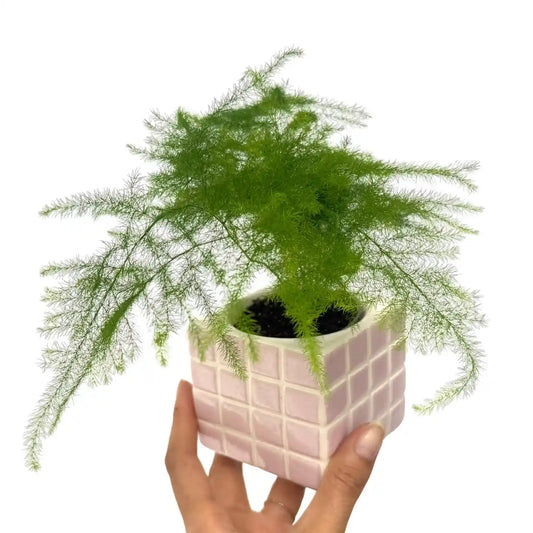
Boston fern – ideal against xylene
If you're looking for an air-purifying plant that loves humidity , the Boston fern is perfect. It effectively combats xylene and formaldehyde , while naturally humidifying the air .
She likes bright rooms but without direct sunlight, and loves humid air : bathroom, kitchen or conservatory, that's her playground. The floor must remain cool, never dry for too long.
A little more sensitive than the others, yes. But if you respect its needs (a little mist, water, light), it will more than repay you.
English ivy – effective and undemanding
English ivy is a bit like the ninja of air cleaning . It works discreetly, but it filters a wide range of pollutants : formaldehyde , benzene , xylene , and even some molds.
It adapts to any space, even slightly shady corners. It likes cool soil , a little humidity , and indirect light if possible. Be careful not to overwater it : a slight lack of water is better than too much.
You can place it on a support or let it drop down from a shelf. In addition to purifying the air , it nicely structures the space.
Spathiphyllum – the floral purifier
Also known as the peace lily , the spathiphyllum is both elegant and remarkably effective . It filters several toxins such as formaldehyde , trichloroethylene , and benzene , while producing beautiful white flowers .
It likes calm environments, dim light , and consistently slightly moist soil . Too dry? It withers. Too wet? The roots rot.
Place it in an office or bedroom. It's a fairly delicate plant, but it's definitely worth it.
Sansevieria – the filter plant that can't withstand anything
Sansevieria , or mother-in-law's tongue, is the plant for the forgetful. It resists almost everything: lack of water , dry air , repeated forgetfulness… and it filters formaldehyde and benzene very well .
It thrives indoors , even in dimly lit areas. It doesn't require much care: watering every two to three weeks is sufficient. And it doesn't need rich soil to flourish.
A must-have for beginners or those who want an air-purifying plant without any hassle.
Why adopt air-purifying plants at home?
In a modern home , there are more invisible pollutants than you might think. The good news is that some houseplants aren't just beautiful: they also play a real role in purifying the air .
Pollutants present in indoor air
Formaldehyde , benzene , and xylene are found almost everywhere: in glues, paints, varnishes, textiles, plastics, household products... And in poorly ventilated spaces, they accumulate quickly. The result: indoor air that is more polluted than outdoor air, with tangible effects on well-being and health .
Headaches, irritations, chronic fatigue... These toxins are subtle, but very real. And they are all the more problematic in offices , small apartments , or poorly ventilated rooms.
The effects of plants on air quality
Some plants have the ability to absorb pollutants from the air , thanks to their leaves , roots , and even microorganisms present in the soil . This phenomenon is called phytoremediation . In short, the plant acts as a natural purifier .
Beyond their filtering action, plants also increase ambient humidity , reduce stress, and contribute to a more calming environment . The result: better air quality , but also improved daily mental comfort.
You don't need to have a green thumb: simply choose easy-to-grow species , place them properly according to their light requirements , and provide basic care . Some are remarkably efficient even with minimal effort.
How to care for your air-purifying plants?
Having air- purifying plants is great. But you still need to keep them healthy so they do their job properly. Don't panic: a little maintenance , common sense, and observation are more than enough.
Watering, light and humidity: the right steps
Each plant has its preferences, but there are a few simple rules to remember to keep your purifiers effective.
- Light : avoid direct sunlight , especially on delicate leaves . Most prefer indirect, soft, sometimes filtered light.
- Watering : it's better to underwater than overwater. Soggy soil leads to root rot, which kills the plant. Always check if the soil is still moist before watering.
- Humidity : some plants, like ferns or peace lilies , love a humid atmosphere. Misting or placing a bowl of water nearby can really make a difference, especially in winter.
In short: soft light, moderate water , and a little attention… and your air-purifying plants will do the rest.
Products and mistakes to avoid so as not to harm the plant (or the air)
The purpose of air-purifying plants is precisely to filter out pollutants . So if you expose them to chemicals or unsuitable care, you reduce their effectiveness… or even endanger them.
Here are the most frequent mistakes:
- Using sprays to make leaves shine : this clogs the pores and prevents the plant from breathing.
- Using overly concentrated fertilizers : an excess can burn the roots and harm the plant in the long term.
- Neglecting ventilation : even if plants filter the air , they do not replace good ventilation.
- Overwatering : a waterlogged plant can no longer absorb any water. The soil should remain slightly moist, not soggy.
A simple, straightforward interview is often the most effective approach .
Improve air quality with natural solutions
Having one or two air-purifying plants is a good start. But for a more pronounced effect, the ideal is to combine them intelligently and create an overall environment that promotes air quality and well-being .
Combining several plants will enhance the air-purifying effect.
Not all plants absorb the same pollutants . Some are more effective against formaldehyde , others against xylene or ammonia. By combining them, you cover a broader spectrum.
For example :
- An areca palm for humidity
- A sansevieria for the bedrooms
- An English ivy in a less bright corner
- A peace lily to filter the air in an office
Place them in strategic locations , according to their light and humidity needs . And always remember to vary the heights and types of pots to create a harmonious display that is as beautiful as it is effective.
Create a healthy, natural and soothing interior
Air-purifying plants are not just about clean air . They are also a simple way to create a more soothing, vibrant, and pleasant living environment .
A touch of greenery in a living room, a few well-placed leaves in an office, a cascading fern in a bathroom… All of this contributes to a softer, more natural atmosphere. And it has a real impact on your well-being : reduced stress, improved concentration, and enhanced visual comfort.
By adding a little natural light , avoiding chemicals , and choosing a few plants well-suited to your space , you create a small , healthy ecosystem effortlessly.
Conclusion
Air-purifying plants are n't just pretty: they truly improve our daily lives. By filtering pollutants , regulating humidity , and adding a touch of greenery to our spaces, they transform a simple corner of the home or office into a haven of natural freshness.
Choosing the right species, placing them correctly, and providing them with appropriate care is key to fully enjoying their benefits. And if you need a little help, consider exploring our selection of substrates , watering accessories , and plant care products : everything you need to keep them beautiful… and thriving.

Laura Bruneau
Jardinière & autrice