Non-toxic plants for cats: the verified list and the pitfalls

The easiest cat-safe houseplants to live with indoors are Chamaedorea, Areca and Kentia palms, Beaucarnea, Calatheas, spider plants, Boston ferns, Peperomias, Hoyas, Rhipsalis and Phalaenopsis orchids: all are listed as non-toxic to cats in the ASPCA database (American Society for the Prevention of Cruelty to Animals), which we checked species by species.
By contrast, there is one group that should be absolutely banned from homes with cats: true lilies (Lilium) and daylilies (Hemerocallis), which can cause fatal kidney failure, according to the FDA (Food and Drug Administration, the US health agency).
This guide sorts it all out: a large comparison table to help you choose based on your light, a list of toxic plants commonly found in garden centers, cat grass, what to do if your cat ingests a plant, and a link to each plant's care guide.
Do you also have a dog? our guide to non-toxic plants for dogs covers their specific needs, our article on Calathea and pets explains the specifics of Calathea, and our guide to indoor palms compares true and false palms.
🌟 Why cats require stricter plant selection than dogs
Cats require stricter plant selection because they climb, chew leaves out of curiosity and groom themselves: they can ingest a toxin without even biting the plant, simply by licking pollen that has fallen on their paws or coat, as the University of California, Davis School of Veterinary Medicine (UC Davis) points out.
Dogs, on the other hand, stay on the ground and tend to chew whatever is at nose height. According to the behavior guide from Cornell, cats chew plants for play, exploration or because they crave greenery: nibbling is therefore normal behavior, which should be redirected rather than forbidden.
Finally, the Cornell Feline Health Center (Cornell University) notes that lilies, tulips, foxglove and philodendron are among the hundreds of plants known to be toxic to cats.
| Benefit | What this means |
|---|---|
| Access to high places | Cats can reach shelves and hanging planters: a plant that is “out of reach” almost never is, which is why it's best to choose only safe species. |
| Grooming | Pollen or sap on the coat is swallowed during grooming: cut flowers matter just as much as potted plants. |
| Nibbling | Offering a safe plant and some grass to nibble on will distract your cat from irritating species. |
| Peace of mind | A 100% verified jungle means you won't have to monitor every chewed leaf or call the vet at the slightest concern. |
📊 Cat-safe indoor plants compared
Here are 13 indoor plants verified one by one, across 12 rows: 11 listed as “Non-Toxic to Cats” on the ASPCA page for the species or genus, Maranta, whose ASPCA pages “Maranta” and “Prayer Plant” actually give the scientific name Calathea insignis, and Pilea peperomioides, which the ASPCA does not list but NC State considers safe for pets.
Choose first according to your light, then according to the space available: large palms add structure to a living room, while smaller species fit on a shelf. Each row links to the full care guide and the source page consulted.
| Plant (Latin name) | Light | Size and shape | What to watch for | Toxicity source |
|---|---|---|---|---|
| Chamaedorea elegans | Partial shade to bright indirect light | Small clumping palm | Fine leaves that cats like to chew | ASPCA: Chamaedorea elegans |
| Areca (Dypsis lutescens) | Bright indirect light | Large floor-standing palm | Lower fronds within reach | ASPCA: Dypsis lutescens |
| Kentia (Howea forsteriana) | Medium light | Large, elegant palm | Slow-growing; buy a mature plant | ASPCA: Howea forsteriana |
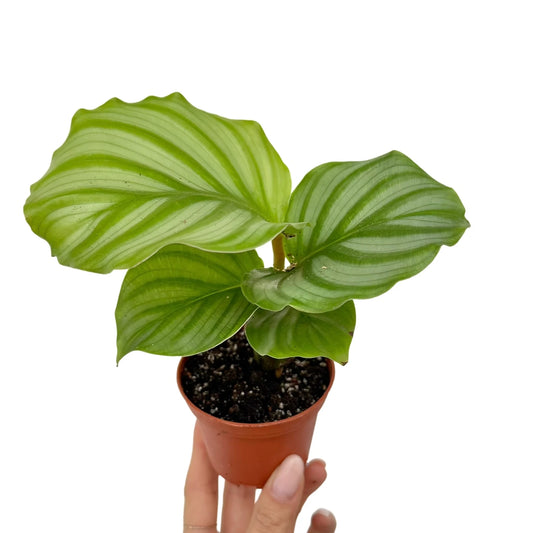
| Calathea, Calathea makoyana and Maranta | Soft light, no direct sun | Low-growing clump or trailing habit | Calathea genus listed as non-toxic; for Maranta, the ASPCA page uses the name Calathea insignis | ASPCA: Calathea spp. ; ASPCA “Maranta” page |
| spider plant (Chlorophytum) | Bright indirect light | Hanging planter or shelf | Soft leaves that are very appealing to cats | ASPCA: Chlorophytum comosum |
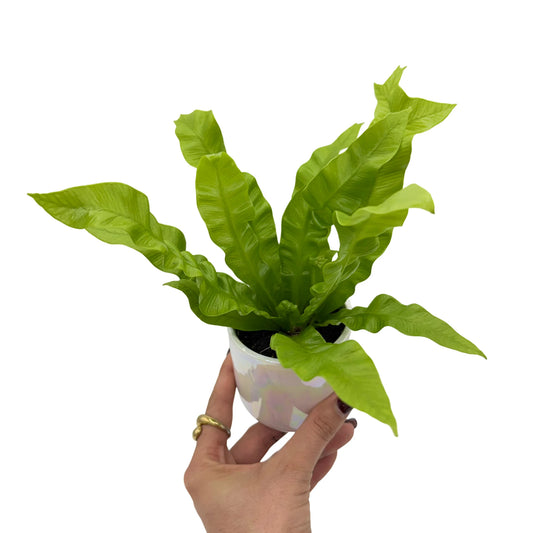
| Boston fern (Nephrolepis) | Soft light, humid air | Hanging planter | ASPCA page for N. exaltata 'Bostoniensis'; fronds within paw's reach | ASPCA: Nephrolepis |
| Peperomia (Peperomia obtusifolia) | Medium to bright light | Small shelf plant | ASPCA page covers P. obtusifolia only | ASPCA: Peperomia obtusifolia |
| Pilea peperomioides | Bright indirect light | Small shelf plant | Not found in the ASPCA database; deemed safe by NC State | NC State Extension (North Carolina State University) |
| Hoya (Hoya carnosa) | Bright indirect light | Hanging planter or trained on a support | ASPCA page for H. carnosa 'Krinkle Kurl' | ASPCA: Hoya carnosa |
| Rhipsalis | Soft light | Trailing hanging plant | ASPCA page for Rhipsalis cassutha | ASPCA: Rhipsalis cassutha |
| Phalaenopsis orchid | Bright indirect light | Tabletop pot | ASPCA page for the Phalaenopsis genus | ASPCA: Phalaenopsis |
| Beaucarnea (elephant's foot) | Full sun or maximum light | False palm with a swollen stem | ASPCA page for the exact species; do not confuse it with Cycas, which is highly toxic | ASPCA: Beaucarnea recurvata |
📋 Quick facts
The key points for making your home safe for cats, at a glance.
| Key point | The rule |
|---|---|
| Plants to ban | Lilies (Lilium) and daylilies (Hemerocallis), both potted and cut |
| Dangerous parts of lilies | All of them: stems, leaves, flowers, pollen and even the water in the vase (FDA) |
| Early signs of lily poisoning | Vomiting, lethargy, drooling, loss of appetite within 0 to 12 hours (FDA) |
| Critical window | After 18 hours without treatment, kidney failure is generally irreversible (FDA, UC Davis) |
| Common toxic houseplants | Oxalate-containing aroids (Monstera, Pothos, Spathiphyllum, Syngonium), saponin-containing plants (Dracaena, Sansevieria, Aloe), Ficus, Crassula, Kalanchoe, Cycas |
| Verified safe plants | Chamaedorea, Areca and Kentia palms; Beaucarnea; Calathea; Chlorophytum; Nephrolepis; Peperomia obtusifolia; Hoya carnosa; Rhipsalis; Phalaenopsis |
| Non-toxic does not mean edible | Any plant matter can cause vomiting and digestive upset (ASPCA) |
| Cat grass | Catnip (Nepeta cataria): toxic to cats according to the ASPCA; Cornell suggests offering nibble oats as an alternative |
| Emergency numbers in France | CNITV 04 78 87 10 40 and CAPAE-Ouest 02 40 68 77 40, open 8:30 a.m. to midnight, 7 days a week |
| What not to do | Never make your cat vomit unless instructed by a veterinarian (Cornell) |
How to make your home safe for your cat
To make your home safe, start by identifying every plant by its Latin name, remove those that are toxic, then bring back only verified species. The order matters: an inventory without Latin names can miss mix-ups, because the same common name sometimes refers to several species.
Our pet-friendly plant collection brings together the plants we have checked, while all our indoor plants lets you find more options to suit your light.
| Step | What to do |
|---|---|
| 1. Make an inventory | Write down the Latin name of every plant (from its label, receipt or identification app) and compare it with the ASPCA database. |
| 2. Remove toxic plants | Give away or move out of the home lilies, daylilies, Monstera, Pothos, Dracaena and other species classified as toxic. |
| 3. Check bouquets | Refuse any bouquet containing lilies: pollen and vase water are enough to poison a cat. |
| 4. Choose safe plants | Use the table above to choose according to your light and the space available. |
| 5. Offer an alternative | Put a pot of oats or grasses for nibbling near your cat's resting place. |
| 6. Protect the pots | Cover the surface of the potting mix (with stones or mesh) to stop your cat from digging or relieving itself in the pot. |
| 7. Save the numbers | Save the numbers for CNITV, CAPAE-Ouest and your veterinarian in your phone. |
columns: 4
columns_mobile: 2
-

 Livraison offerte
Chamaedorea elegans - Pet-friendly - 12 cm pot - Height 15 cm
Regular price From 39,95 €Regular price -
-
-
-
-

 Livraison offerte Sale
Dypsis Lutescens Areca - 21cm Pot - Height 90 - 100cm
Regular price From 69,95 €Regular price74,95 €Sale price From 69,95 €Livraison offerte Sale


🧭 Plants toxic to cats: keep these out of reach
The plants toxic to cats most commonly found in garden centers are lilies, aroids (Monstera, Pothos, Spathiphyllum), and plants rich in saponins (Dracaena, Sansevieria, Aloe). Aroids contain insoluble calcium oxalate crystals that burn the mouth; saponins mainly cause digestive problems.
We sell some of these plants: they are still perfect for homes without pets, and each product page clearly indicates their toxicity.
The ASPCA also lists Crassula (jade plant) (Crassula care guide), Syngonium (Syngonium care guide), and Kalanchoe as toxic; its bufadienolides cause vomiting, diarrhea, and, rarely, irregular heart rhythms, according to the ASPCA; Cornell also lists Philodendron.
Croton is considered mildly toxic by NC State Extension, which reports nausea, vomiting, and diarrhea following significant ingestion. For the coffee plant, the ASPCA classifies coffee and caffeine as dangerous to animals: keep its berries out of reach.
| Toxic plant | What the source says and what to do |
|---|---|
| Lilies (Lilium) and daylilies (Hemerocallis) | Kidney failure can occur after eating just a bite or licking pollen (FDA): keep them out of the home and garden if your cat goes outside. |
| Monstera | Insoluble calcium oxalates: mouth irritation, drooling, vomiting, and difficulty swallowing (ASPCA: Monstera deliciosa). |
| Pothos | Same oxalates and oral symptoms (ASPCA: Epipremnum aureum). |
| Spathiphyllum (peace lily) | Not a true lily: oxalates cause mouth irritation (ASPCA: Spathiphyllum), but it does not cause the kidney damage associated with true lilies, according to UC Davis. |
| Dracaena | Saponins: sometimes bloody vomiting, lethargy, drooling, and dilated pupils in cats (ASPCA: Dracaena). |
| Aloe vera | Saponins and anthraquinones: vomiting, lethargy, and diarrhea (ASPCA: Aloe vera); only the gel is considered edible by the ASPCA. |
| Sansevieria | Saponins: nausea, vomiting, and diarrhea (ASPCA: Sansevieria trifasciata). |
| Ficus | Sap containing an enzyme (ficin) and psoralen (ficusin) (ASPCA: Ficus). |
📐 Lilies: the number one danger for cats
Lilies are the most dangerous plants for cats: according to the FDA (Food and Drug Administration, the US public health agency), eating a small piece of leaf or petal, licking a few grains of pollen from their coat, or drinking vase water can be enough to trigger kidney failure, which develops within 24 to 72 hours and is fatal without treatment.
This applies to all Lilium (Asiatic, Easter, Oriental, Stargazer, and tiger lilies) and daylilies (Hemerocallis).
Early signs (lethargy, drooling, vomiting, loss of appetite) appear within 0 to 12 hours, followed by kidney symptoms between 12 and 24 hours. The University of California, Davis School of Veterinary Medicine (UC Davis) states that treatment delayed by more than 18 hours generally leads to irreversible kidney failure, and recommends not bringing lilies into the home or planting them in the garden if you have a cat.
Beware of false lilies: Spathiphyllum and calla lilies irritate the mouth without affecting the kidneys, while lily of the valley (Convallaria majalis) can cause heart problems, according to UC Davis and the FDA.
📐 Cat grass: catnip or grasses?
The term cat grass refers to two different things, and the distinction matters. Catnip (Nepeta cataria) is the plant that excites or calms cats: the ASPCA lists catnip (Nepeta cataria) as toxic, as it can cause vomiting and diarrhea; it should therefore be given in moderation.
Grasses sold in pots for nibbling (oat, wheat, barley), on the other hand, meet the need to chew: the Cornell Feline Health Center behavior guide recommends offering cats oat grass, catnip, and catmint to distract them from houseplants.
For the garden, our catmint guide explains how to grow these perennials that cats love. The same Cornell guide reminds us that the only sure way to protect both cats and plants is to block access to the pots.
📐 My cat ate a plant: what to do
If your cat has eaten a plant and you are unsure whether it is toxic, call your veterinarian or a veterinary poison control center immediately and provide the plant’s exact name.
According to the French National Veterinary Council, the CNITV in Lyon (+33 4 78 87 10 40) and CAPAE-Ouest in Nantes (+33 2 40 68 77 40) answer calls from 8:30 a.m. to midnight, seven days a week; CAPAE-Ouest states that its service is free.
The CNITV (VetAgro Sup, Lyon) says it receives calls from both veterinarians and the public. Cornell emphasizes one point: do not induce vomiting unless specifically instructed by a professional. If your cat has eaten a lily, do not wait for symptoms: the 18-hour window mentioned above can affect the prognosis.
🗓️ Cats and plants through the seasons
Risks to cats change with the seasons because bouquets, holiday plants, and trips between the balcony and living room vary throughout the year.
Spring is the season for Easter lilies, summer for garden daylilies, and winter for bouquets and holiday plants. The Cornell Feline Health Center (Cornell University) reminds us that chewing a small poinsettia leaf can be enough to make a cat ill.
📅 Seasonal care calendar
| Season | Key action |
|---|---|
| 🌸 Spring | Decline Easter lily bouquets; repot and check the labels on new plants. |
| ☀️ Summer | Watch daylilies and lilies in the garden or on the balcony if your cat goes outside; hang safe plants. |
| 🍂 Fall | Bring outdoor plants inside after checking their Latin names; sow fresh grass for nibbling. |
| ❄️ Winter | Beware of holiday bouquets and poinsettias; keep emergency numbers handy. |
🐛 Common mistakes with cats and plants
The most common mistake is assuming a non-toxic plant can be eaten without limit: the ASPCA itself points out that eating any plant material can cause vomiting and digestive upset in dogs and cats. Other mistakes mainly stem from misleading common names and the false sense of security that comes from putting plants up high.
| Mistake | Why it is a problem | Solution |
|---|---|---|
| Confusing non-toxic with edible | A large quantity of leaves can cause vomiting, even without toxins. | Offer grass for nibbling and limit access to plants your cat chews frequently. |
| Assuming a hanging plant is out of reach | Cats jump, climb, and can reach trailing fronds. | Hang only safe plants (Chlorophytum, Nephrolepis, Hoya, Rhipsalis). |
| Trusting the word “lily” | Spathiphyllum, calla lily, and lily of the valley are not true lilies but are still toxic. | Identify the plant by its Latin name. |
| Keeping a lily bouquet up high | Pollen falls onto furniture and then onto the cat’s coat. | No lilies in the home, even in bouquets. |
| Waiting for symptoms after lily ingestion | After 18 hours, kidney damage is generally irreversible. | Call the veterinarian as soon as ingestion is suspected. |
| Trying to make the cat vomit yourself | This can make the situation worse. | Follow only the instructions of a veterinarian or poison control center. |
| Trusting the word “palm” | Cycas revoluta, sold as a palm, contains cycasin: it can cause liver damage or even death (ASPCA). | Choose a true palm (Chamaedorea, Areca, Kentia); see our guide to indoor palms. |


🌿 Our selection of cat-safe plants
Here are care guides for verified plants, to help you grow them successfully once you have made the right choice. Available plants are grouped in our pet-friendly plant collection, and trailing species in our hanging plants collection.
| Our selection | Why choose it |
|---|---|
| Chamaedorea elegans | The small palm most tolerant of partial shade; our pet-friendly Chamaedorea elegans is ideal for beginners. |
| Areca palm | The tall palm for bright light, perfect for a sunny living room: see our potted Areca palm. |
| Kentia palm | The elegant palm for rooms with moderate light; our 19 cm potted Kentia already makes an impressive statement. |
| Calathea | Eye-catching foliage that’s safe for pets; the Calathea makoyana is the peacock plant in our Calathea collection. |
| Ponytail palm | A palm-like plant with a swollen trunk, listed as non-toxic to cats by the ASPCA, ideal for a very sunny window. |
| spider plant (Chlorophytum) | The ultimate easy-care hanging plant, and one of the most popular choices among cat owners. |
| Boston fern | A lush fern for a bright bathroom or a hanging planter. |
| Peperomia | A wide variety of small shelf plants; Peperomia prostrata trails with tiny leaves (the ASPCA entry consulted is for P. obtusifolia). |
| Pilea peperomioides | The Chinese money plant, considered safe for pets by NC State: see our Pilea peperomioides. |
| Hoya | Porcelain flowers that trail beautifully; Hoya Mathilde is a hybrid of H. carnosa and H. serpens; the ASPCA entry consulted is for H. carnosa. |
🔑 Rhipsalis, Phalaenopsis and bromeliads: safe choices often overlooked
Rhipsalis and the Phalaenopsis orchid are useful additions to the list: the ASPCA lists Rhipsalis (ASPCA: Rhipsalis cassutha) and the Phalaenopsis genus (ASPCA: Phalaenopsis) as non-toxic to cats.
Rhipsalis trails in long, slender stems, making it perfect for a hanging planter; the orchid looks lovely on a table or bright windowsill.
For Pilea, the ASPCA only lists Pilea cadierei (non-toxic), which is why we rely on NC State Extension (North Carolina State University), which describes it as safe for pets and children.
With bromeliads, it depends on the genus: NC State Extension lists Guzmania lingulata as non-toxic to cats, dogs and horses, and the ASPCA says the same of Neoregelia; the pineapple plant, with its spiky leaves, is a different matter, as our bromeliad guide explains.
✅ Our tips for a cat-safe indoor jungle
A cat-safe indoor jungle comes down to three rules: no lilies or daylilies, choose only species verified by their Latin names, and provide cat grass to redirect chewing. Palms, ponytail palms, Calatheas, Chlorophytum, ferns, Peperomia, Hoyas, Rhipsalis and Phalaenopsis orchids cover every light level.
Finally, keep the CNITV and CAPAE-Ouest phone numbers handy: if in doubt, a quick call is better than waiting.
My first tip is simple: never rely on the common name alone; check the Latin name before bringing a new plant into a home with a cat. I especially like palms and spider plants for pet-owning households because they forgive the occasional missed watering. And in my view, a bouquet of lilies has no place in a home with a cat, even if it’s given with the best intentions.

Laura Bruneau
Jardinière & autrice