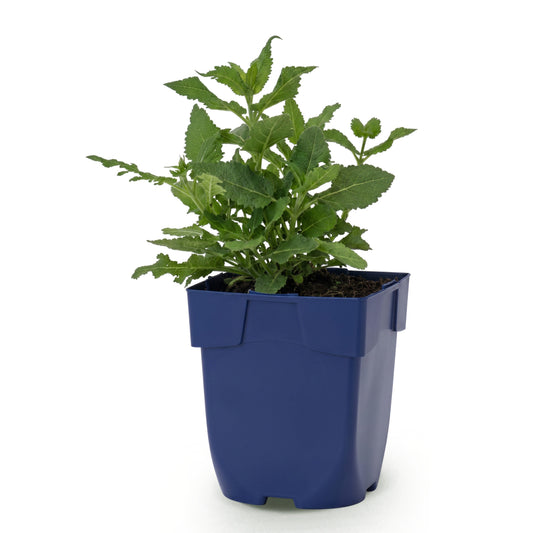
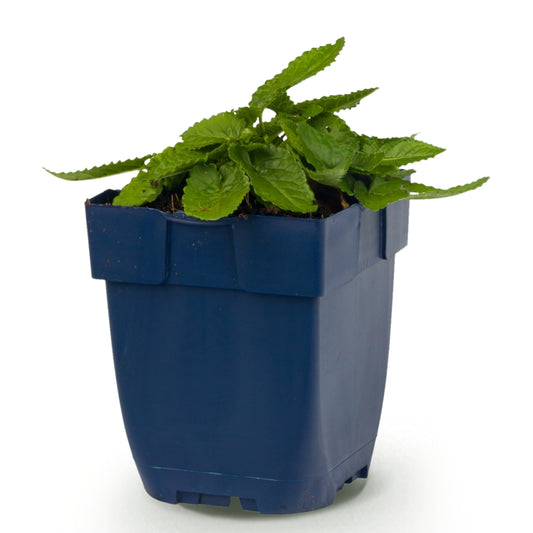
Coral Bells (Heuchera): planting, care and varieties

To grow heucheras successfully, plant them in spring or autumn in partial shade, in humus-rich, moist but well-drained soil, with the crown level with the soil and never buried. Replant them each spring if winter frost has lifted them.
Sold under the name heuchera or Heuchera, these plants are mostly hybrids grown for their colorful foliage. They keep their leaves almost all year and form neat mounds in borders and as ground cover.
They are among the star perennials in our guide to perennials for shade and under trees, brightening the ground beneath trees and woodland borders.
This guide brings together information verified with the RHS, Kew, the Missouri Botanical Garden and NC State: light requirements by foliage color, planting, care, vine weevils, varieties and toxicity.
🌿 Why plant heucheras in the garden?
Plant heucheras for year-round color without relying on flowers.
According to the RHS (Royal Horticultural Society), they form compact mounds that generally keep their leaves all year, in shades of green, pewter gray, dark purple, pink, bronze, apricot or acid green. Their tiny white, pink or red flowers are a summer bonus. The same source lists several hundred cultivars.
According to North Carolina State University Extension (NC State Extension), the tannins in the leaves deter deer and rabbits, while the flowers attract butterflies and bees.
| Benefit | What it means for your garden |
|---|---|
| Colorful, almost evergreen foliage | Patches of purple, caramel or lime in shady spots, even in winter |
| Compact, tidy growth | Low mounds, ideal for borders, ground cover or pots |
| Huge selection | Several hundred cultivars according to the RHS, for creating foliage color schemes |
| Low-maintenance | No fertilizer needed in the ground according to the RHS; deer and rabbits tend to avoid them |
🔎 Heuchera at a glance
The genus Heuchera L., described by Linnaeus in 1753, belongs to the Saxifragaceae family.
According to Plants of the World Online (POWO) from the Royal Botanic Gardens, Kew, it contains 46 accepted species native to North America (from Alaska and Canada to Mexico) and the Russian Far East; the database records it as naturalized in Austria, Germany and Great Britain. Garden-center heucheras are mostly hybrids.
The case of 'Palace Purple' illustrates the uncertainty well: the RHS profile for 'Palace Purple' places it under Heuchera villosa and lists Heuchera micrantha var. diversifolia as a synonym, while the Missouri Botanical Garden (MBG) still lists it under the latter name.
| Feature | Verified details |
|---|---|
| 🏷️ Botanical name | Heuchera L. (genus); 'Palace Purple': H. villosa according to the RHS, H. micrantha var. diversifolia according to the MBG |
| 🧬 Family | Saxifragaceae |
| 🌳 Type | Herbaceous perennial with evergreen or semi-evergreen foliage, growing in a mound |
| 🌍 Native range | North America and the Russian Far East; 46 species (POWO) |
| ❄️ Hardiness | H6 according to the RHS (-20 to -15 °C) for 'Obsidian', 'Caramel' and 'Lime Marmalade'; USDA zones 4 to 9 for 'Palace Purple' (MBG) |
| 🍃 Foliage | Lobed, purple, bronze, caramel, lime, silver or almost black, depending on the cultivar (RHS) |
| 🌸 Flowering | Small white, pink or red bell-shaped flowers in panicles, from June to July for 'Palace Purple' (MBG) |
| 📏 Mature size | Mound about 30 cm high, flower stems 38 to 60 cm tall, spread 30 to 45 cm for 'Palace Purple' (MBG) |
📋 Quick growing guide
Essential growing information at a glance.
| Factor | Guideline |
|---|---|
| Light | Partial shade or light shade; darker foliage can take more sun (RHS) |
| Soil | Humus-rich, moist but well-drained, preferably slightly acidic (NC State); neither waterlogged nor very dry |
| Hardiness | RHS H6 for most listed cultivars: -20 to -15 °C |
| Watering | Regularly during the first growing season, then during dry spells; avoid wetting the foliage |
| Planting | Spring or autumn, with the crown level with the soil or slightly above it |
| Pruning | Remove damaged leaves and spent flower stems; in cold regions, wait until spring |
| Foliage | Decorative all year, evergreen or semi-evergreen depending on the cultivar |
| Care | Easy; replant crowns lifted by frost and divide every 3 to 4 years |
| Toxicity | Heuchera sanguinea is non-toxic to dogs, cats and horses (ASPCA) |
📍 Where and when to plant heuchera: sun or shade?
Plant heuchera in partial shade or light shade, choosing the location according to the color of its leaves. The RHS explains that dark-leaved heucheras often tolerate more sun, which may even intensify their color, while golden or pale foliage fades or scorches quickly in bright conditions. It also advises against deep shade and waterlogged, heavy or very dry soil.
The Missouri Botanical Garden recommends afternoon shade in hot climates. Spring and autumn are the best times to plant, when the soil is moist and still warm.
🌳 Ideal: Partial shade or dappled light beneath deciduous trees, in moist, humus-rich, well-drained soil
☀️ Possible: Morning sun for purple or almost black foliage, provided the soil stays moist
🚫 Avoid: Hot, full sun for lime or caramel foliage, dense shade, and waterlogged clay soil
🪴 How to plant heuchera in a border or as ground cover
For successful planting, pay particular attention to the crown's position. The RHS heuchera growing guide says to plant at the same depth as in the pot, or slightly higher, because a buried crown will rot.
Prepare soil rich in organic matter: NC State says heuchera prefers moist, well-drained, slightly acidic soil and dislikes heavy clay. For ground cover, space plants about as far apart as their mature spread, which is 30 to 45 cm for 'Palace Purple' according to the MBG.
| Step | What to do |
|---|---|
| 1. Choose the right time | Plant in spring or autumn, in moist, still-warm soil, when there is no frost |
| 2. Prepare the soil | Loosen the soil and work in compost; improve or raise the planting area in heavy clay |
| 3. Rehydrate the root ball | Submerge the pot in a bucket of water until the bubbles stop |
| 4. Plant level with the soil | Keep the crown level with or slightly above the soil, never buried, then firm the soil |
| 5. Water and mulch | Water thoroughly, then mulch, leaving a clear space around the crown |
columns: 4
columns_mobile: 2
-


Heuchera 'Palace Purple' (Heuchera) - perennial with colorful foliage - 11 cm pot - Height 25 cm
Regular price From 39,95 €Regular price39,95 €From 31,96 €Livraison offerte -

 Livraison offerte
Astilbe 'Fanal' (Astilbe) - shade perennial - 11 cm pot - Height 25 cm
Regular price From 39,95 €Regular price39,95 €From 31,96 €Livraison offerte -


Astrantia (Astrantia major) - flowering shade perennial - 11 cm pot - Height 25 cm
Regular price From 39,95 €Regular price39,95 €From 31,96 €Livraison offerte -


Bergenia (Bergenia cordifolia) - evergreen perennial groundcover - 11 cm pot - Height 25 cm
Regular price From 39,95 €Regular price39,95 €From 31,96 €Livraison offerte -

 Livraison offerte
Sedge 'Evergold' (Carex) - ornamental grass - 11 cm pot - Height 25 cm
Regular price From 39,95 €Regular price39,95 €From 31,96 €Livraison offerte -


Bigroot geranium ‘Czakor’ (Geranium macrorrhizum) – flowering ground-cover perennial – 11 cm pot – Height: 15–25 cm
Regular price From 39,95 €Regular price39,95 €From 31,96 €Livraison offerte -


Foxglove 'Dalmatian Purple' (Digitalis purpurea) - shade-loving flowering perennial - 11 cm pot - Height 25 cm
Regular price From 39,95 €Regular price39,95 €From 31,96 €Livraison offerte Sold out -

 Livraison offerte
Astilbe 'Europa' (Astilbe) - shade perennial - 11 cm pot - Height 25 cm
Regular price From 39,95 €Regular price39,95 €From 31,96 €Livraison offerte


✂️ Heuchera care: watering, mulch and frost heave
Heuchera care involves one often-overlooked task: checking the crown after winter. The RHS explains that the roots are shallow and the plant tends to be lifted slightly during winter, especially in clay soil. If this happens, replant it in spring so the crown sits just at the soil surface.
In cold regions, the MBG recommends applying mulch after the first ground frosts to limit frost heave. Otherwise, water regularly during the first growing season without wetting the leaves, and mulch with compost each spring.
💧 Watering: Water regularly during the first growing season, then only during dry spells; water at the base, not over the leaves
🔹 Frost heave: Check each spring and replant any lifted crown level with the soil (RHS)
🍂 Mulch: Apply a thick layer of compost in spring, keeping it away from the crown to prevent rot
🧹 Tidying: Remove damaged leaves and spent flower stems; in cold regions, leave the foliage to protect the crown until spring
🌱 Feeding: Not needed in the ground according to the RHS; feed container plants with liquid fertilizer in spring and summer
🍂 Heuchera through the seasons, in the ground and in pots
New leaves unfurl in spring: this is the time to replant crowns lifted by frost, mulch and divide plants. Flower stems appear in summer: 'Palace Purple' flowers from June to July according to the MBG, while NC State notes that the genus generally starts flowering in June and may continue throughout the season.
In autumn, the foliage remains, and in winter the clump keeps its leaves to varying degrees depending on the cultivar: the RHS profile for 'Obsidian' describes it as semi-evergreen and drought-tolerant.
In pots, according to the RHS, heuchera needs regular watering from spring through summer and liquid fertilizer. Vine weevils cause the most damage in containers.
📅 Seasonal care calendar
| Season | Key task |
|---|---|
| 🌸 Spring | Replant lifted crowns, mulch, plant, and divide in late spring |
| ☀️ Summer | Flowering; water new plantings and pots; monitor foliage in sunny spots |
| 🍂 Autumn | Plant; apply nematodes against vine weevils in August or early September |
| ❄️ Winter | Leave foliage in place; in cold regions, let dry leaves protect the crown |
🌱 Dividing and propagating heuchera
Division is the most reliable method, and it rejuvenates clumps that have become bare in the center. The RHS recommends dividing heucheras every three to four years in late spring, once growth has resumed. Take vigorous sections from around the edge, each with several roots and two or three healthy shoots.
The MBG also recommends dividing in spring every 3 to 4 years. Replant the divisions immediately, level with the soil, and water them. NC State also mentions sowing seeds, but foliage hybrids do not come true from seed: divide the plant to preserve a cultivar.
🐛 Common problems: causes and solutions
Heuchera is a robust plant, and the RHS notes that it is rarely troubled by slugs and snails.
Its main enemies are vine weevils, whose RHS vine weevil profile describes white, C-shaped larvae that feed on the roots, especially in autumn and winter, and heuchera rust, caused by the fungus Puccinia heucherae and recorded in the UK since 2004.
To control the larvae, the RHS recommends beneficial nematodes in August or early September, when the soil is warm enough (between 5 and 20 °C for Steinernema kraussei).
| Symptom | Likely cause | Solution |
|---|---|---|
| Plant wilts and comes away without roots | 🐛 Vine weevil larvae, especially in pots (RHS) | Remove the plant from its pot, remove the larvae and apply nematodes in late summer |
| Crescent-shaped notches along leaf edges in summer | 🐛 Adult vine weevil, a black beetle about 9 mm long | Search for adults at night with a flashlight; use nematodes against the larvae |
| Brown spots on top, orange or brown pustules underneath | 🍄 Heuchera rust (Puccinia heucherae) | Remove affected leaves and do not compost them; improve airflow and water at the base in the morning |
| Woody crown lifts out of the soil in spring | 🌱 Winter frost heave, clay soil | Replant the crown level with the soil, mulch and divide old clumps |
| Discolored, scorched or curled leaves | ☀️ Excessive summer sun, especially on pale foliage (RHS) | Move to partial shade and water during dry spells |
| Soft, rotting center | 💧 Buried crown or waterlogged soil | Replant higher in well-drained soil and keep mulch away from the crown |
-

Cover the ground with ease: our outdoor ground cover plants blanket slopes,...
-

Outdoor plants that keep their foliage all year round: evergreen privacy hedges,...


🌸 Our heuchera varieties
Here are some of the most sought-after heucheras, described based on their RHS profiles (and the MBG for 'Palace Purple'); we offer 'Palace Purple' in an 11 cm pot.
| Variety | What makes it special |
|---|---|
| 'Palace Purple' | Lobed, metallic bronze-purple leaves and small pale pink flowers in early summer (RHS); beet-red undersides and named Perennial Plant of the Year in 1991 (MBG) |
| 'Obsidian' | Glossy red-black leaves in spring, becoming almost black; H6 hardiness and RHS Award of Garden Merit (AGM), spreading up to 40 cm |
| 'Caramel' | Pale red and apricot leaves in spring that turn golden caramel; H6 hardiness, or -20 to -15 °C |
| 'Lime Marmalade' | Wavy lime-green to chartreuse leaves, clump up to 45 cm wide; H6 and AGM |
| 'Green Spice' | Silver-green leaves edged in green with burgundy veins, pale pink flowers in late spring; H6 and AGM |
| 'Cherry Cola' | Reddish bronze-brown foliage, cherry-red to salmon flowers from late spring to early summer; H6 and AGM |
🎨 What to plant with heucheras
Pair heucheras with shade-loving perennials that enjoy the same cool, humus-rich soil, and play with contrasts in shape and color. The RHS recommends tiarella and heucherella (× Heucherella, hybrids of Heuchera and Tiarella), which share their growing requirements.
The feathery plumes of astilbe, the large, round leaves of bergenia, and the fine clumps of carex complement its purple cushions beautifully.
For a mixed ground cover, tuck in some periwinkle or a hardy geranium; in the background, a purple Japanese maple echoes the dark Heuchera foliage. Find more ideas in our guide to ground-cover perennials for a low-maintenance border.
Put your border together with our Heuchera and other border perennials, our shade and moisture-loving plants, our ground covers, or browse all our outdoor plants.
⚠️ Are heucheras toxic to dogs and cats?
Good news for gardens shared with pets: the ASPCA database (American Society for the Prevention of Cruelty to Animals) lists Heuchera sanguinea, also known as coral bells, as non-toxic to dogs, cats, and horses.
To be precise, this listing covers the species H. sanguinea, and the database has no separate listing for H. villosa or H. micrantha, to which 'Palace Purple' is attributed, or for the many hybrids. We found no authoritative source reporting toxicity for the genus, but there is no statement covering all cultivars.
As a precaution, do not eat the plant, and if ingestion is followed by symptoms, call your veterinarian or a poison control center.
✅ Our expert tips for success
A few simple rules are all it takes to grow heucheras successfully: choose partial shade rather than full sun, especially for light-colored foliage; use humus-rich soil that never stays waterlogged; plant the crown level with the soil; and replant it each spring if frost has lifted it. Divide clumps every 3 to 4 years, watch out for vine weevils, especially in pots, and remove any leaves with rust spots.
With cultivars rated H6 by the RHS, you can enjoy colorful foliage almost all year round, from a shady border to a planter.
Heuchera is the perennial I recommend when someone tells me nothing grows in the shade and everything there is green: one purple cushion is enough to brighten the base of a tree. I love pairing a purple variety like 'Palace Purple' with a lime-green one; they bring out the best in each other. Every spring, I check the clumps and firm back in any that frost has lifted: five minutes can prevent a lot of losses. And in pots, I keep an eye on the roots, because vine weevils give no warning.

Laura Bruneau
Jardinière et autrice