-
-

 Livraison offerte
Cloudy blue glazed ceramic planter – watercolor effect
Regular price 27,95 €Regular price -

 Livraison offerte
Pearlescent ceramic double planter – two plants side by side
Regular price From 27,95 €Regular price -
Ceramic planter « More Amor Por Favor » — a message of love to give as a gift
Regular price From 24,95 €Regular price -

 Livraison offerte
“You Are Cute” ceramic planter cover – a compliment to give
Regular price From 24,95 €Regular price -

 Livraison offerte
Pastel cylindrical ceramic planter with raised rim
Regular price 27,95 €Regular price -

 Livraison offerte
Ceramic planter with raised studs – bold style
Regular price From 24,95 €Regular price -
Ceramic planter cover with vertical waves – bright, cheerful pastel colors
Regular price 27,95 €Regular price -
 Livraison offerte
Ceramic planter with handles and white dots - sand color
Regular price 28,95 €Regular price -

 Livraison offerte
Iridescent textured ceramic planter – refined pearlescent sheen
Regular price From 24,95 €Regular price -

 Livraison offerte
Metallic ceramic tiered planter cover – Art Deco elegance
Regular price From 24,95 €Regular price -

 Livraison offerte
Ribbed metallic ceramic planter – mirror-like reflections
Regular price From 24,95 €Regular price -

 Livraison offerte
Glossy ceramic planter with little feet – playful style
Regular price From 24,95 €Regular price -
 Livraison offerte
Shell-effect ceramic planter – glossy fluting
Regular price 27,95 €Regular price -

 Livraison offerte
Chrome-effect ceramic planter cover – double-wave design
Regular price From 24,95 €Regular price -

 Livraison offerte
Chrome-effect ceramic planter – retro shine
Regular price From 24,95 €Regular price -

 Livraison offerte
Matte wavy ceramic cachepot – contemporary style
Regular price 27,95 €Regular price -

 Livraison offerte
Textured ribbed ceramic planter – natural look
Regular price From 24,95 €Regular price -

 Livraison offerte
Melted-glaze ceramic planter – warm tones
Regular price From 25,95 €Regular price -

 Livraison offerte
Matte Ceramic Planter Cover – Clean, Minimalist Style
Regular price From 24,95 €Regular price -

 Livraison offerte
Speckled glazed ceramic planter – ’70s style
Regular price From 24,95 €Regular price -

 Livraison offerte
Glossy ribbed ceramic planter – timeless style
Regular price From 24,95 €Regular price -
 Livraison offerte
Ribbed ceramic planter with saucer – a delicate touch
Regular price 27,95 €Regular price -

 Livraison offerte
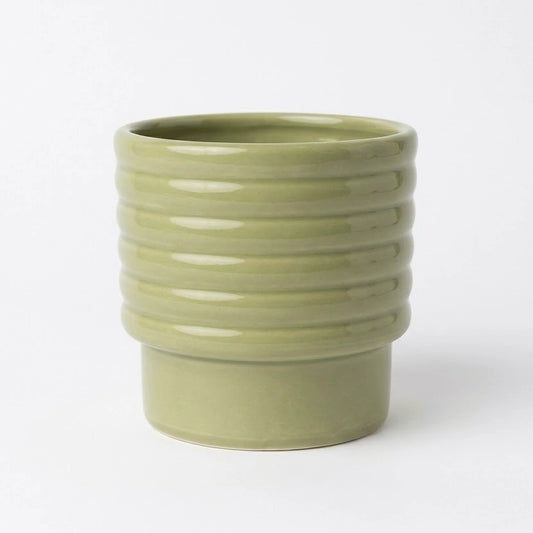
Stepped fluted ceramic planter – retro style
Regular price From 24,95 €Regular price -

 Livraison offerte
Rounded ribbed ceramic planter – romantic style
Regular price From 24,95 €Regular price -

 Livraison offerte
Glossy rounded ceramic planter cover – warm glow
Regular price From 24,95 €Regular price -

 Livraison offerte
Glossy wavy ceramic planter – a summery touch
Regular price From 24,95 €Regular price -
Set of 3 vintage striped ball-shaped ceramic planters
Regular price 19,95 €Regular price -
-

 Livraison offerte
Shiny silver-finish ceramic planter Elite – a precious look
Regular price 27,95 €Regular price -
 Livraison offerte
Gradience Green Ombre Ceramic Planter – Natural Hues
Regular price 24,95 €Regular price -
 Livraison offerte
Soul ceramic planter – poetic, minimalist curves
Regular price 27,95 €Regular price -

 Livraison offerte
Ribbed Silver Ceramic Planter – Graphic Shine
Regular price From 24,95 €Regular price -

 Livraison offerte
Dark marble-effect ceramic planter – dark mineral elegance
Regular price From 24,95 €Regular price -

 Livraison offerte
Leopard-print ceramic planter – a chic, wild touch
Regular price From 24,95 €Regular price -
White ceramic plant pot with a bubble texture – understated graphic charm
Regular price From 24,95 €Regular price