Skip to product information
1 of 8

Philodendron Pink Birkin (Bikini)

Philodendron Pink Birkin (Bikini)

Exceptional striped foliage

Regular price 9,95 €
Regular price Sale price 9,95 €
Sale Sold out
Taxes included. Shipping calculated at checkout.
Pot diameter
Quantity

Pay in 2, 3 or 4 interest-free installments from €50 with Klarna

Low stock: 4 left

  • Careful delivery with optimal protection
  • Plant health guaranteed for 30 days
Une question ? Nos experts vous répondent 01 89 48 03 62

About

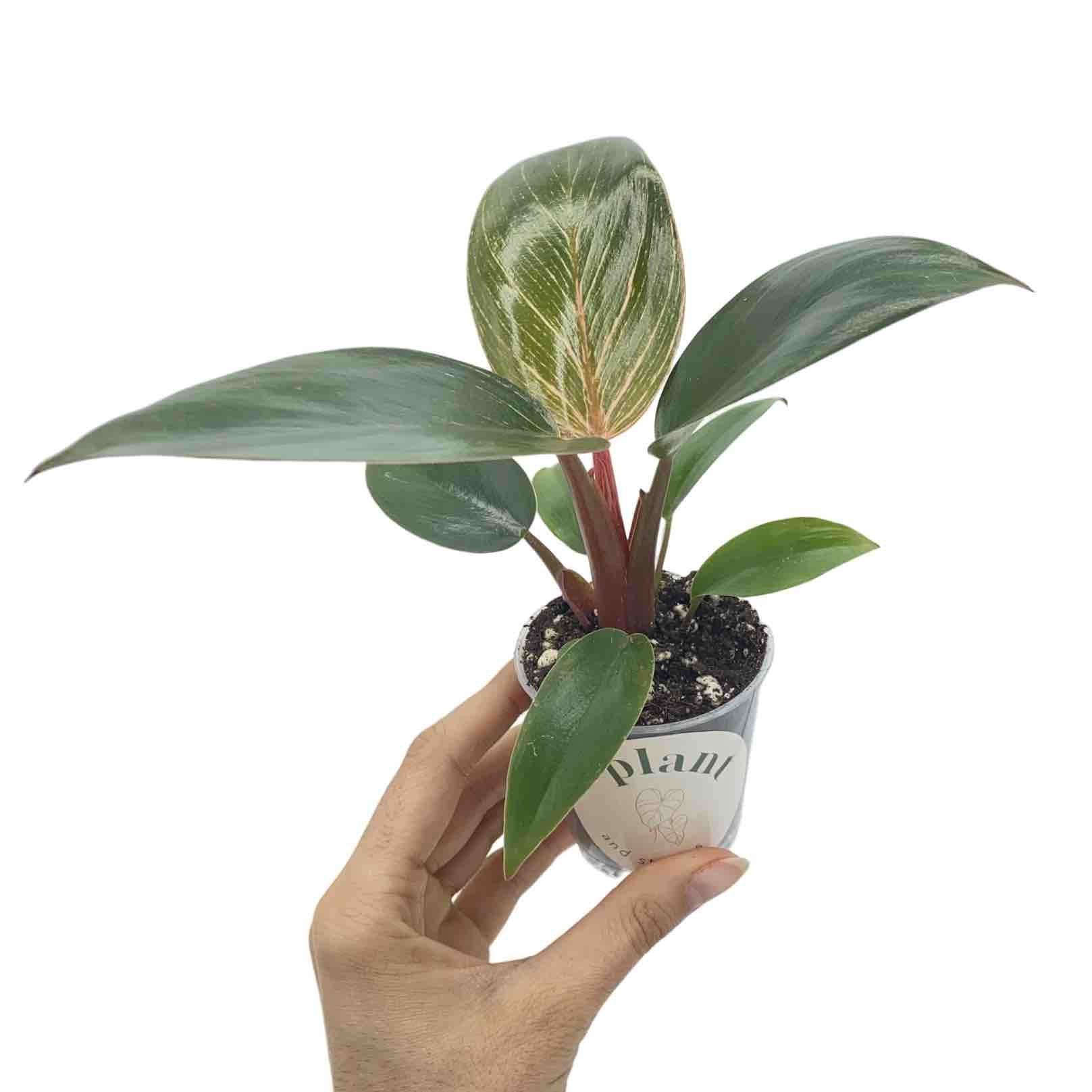
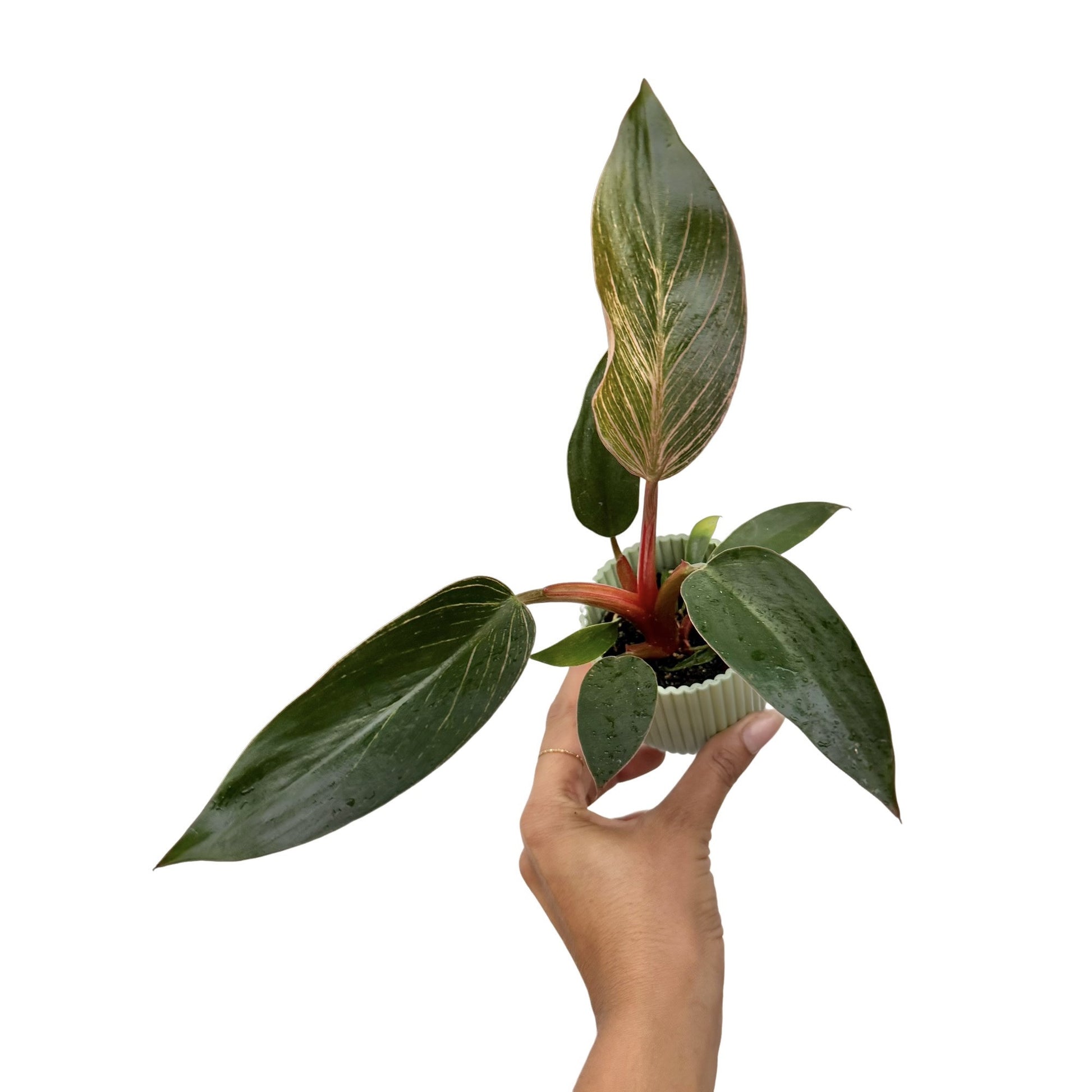
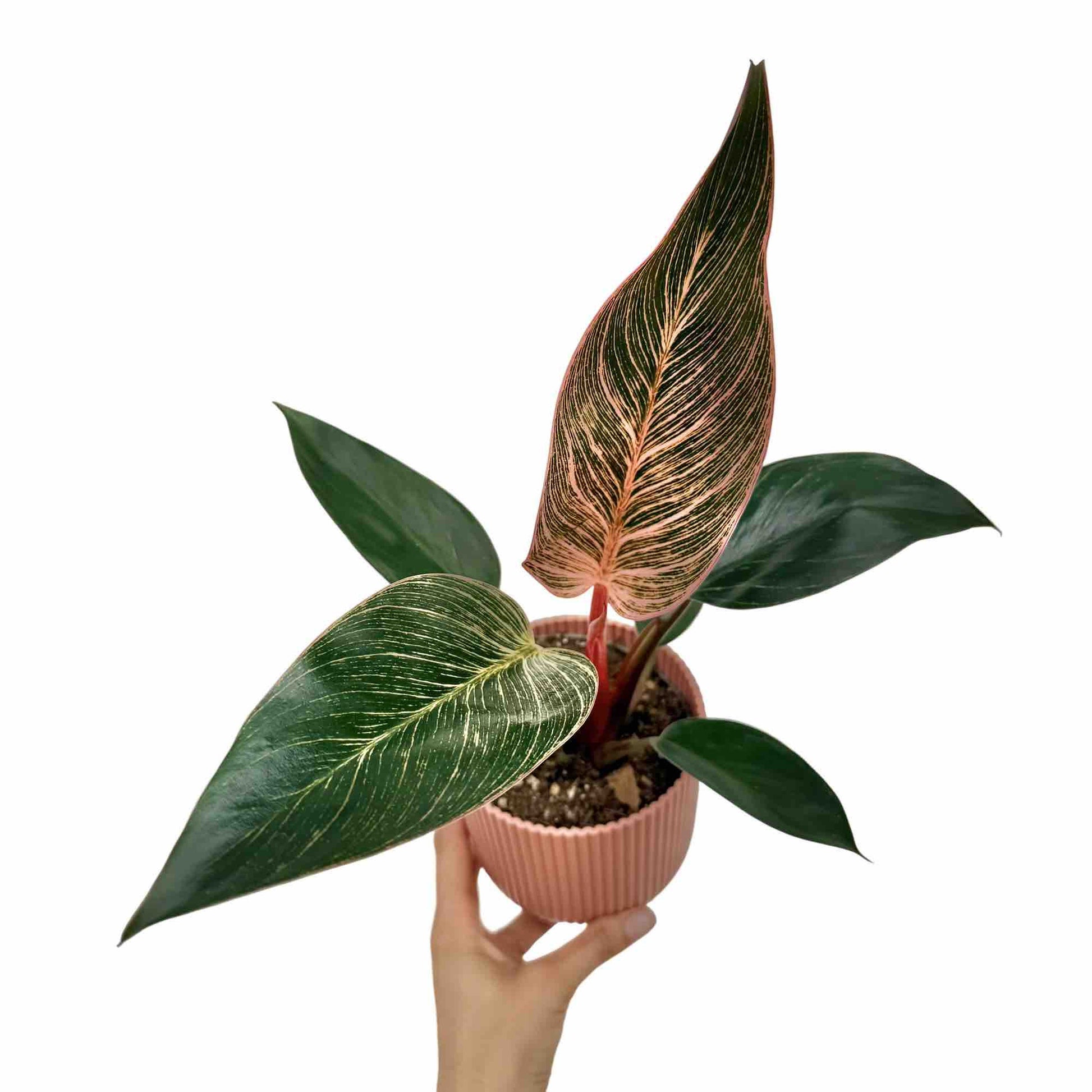
Philodendron Pink Birkin, the philodendron with pink and white stripes

The Philodendron Pink Birkin , also called Pink Birkin or Birkin, is a philodendron of horticultural hybrid origin, resulting from controlled mutations of the Philodendron Rojo Congo. Belonging to the Araceae family, this compact plant reaches 50 to 60 cm in height when mature indoors, with slow and steady growth making it a long-lasting companion plant.

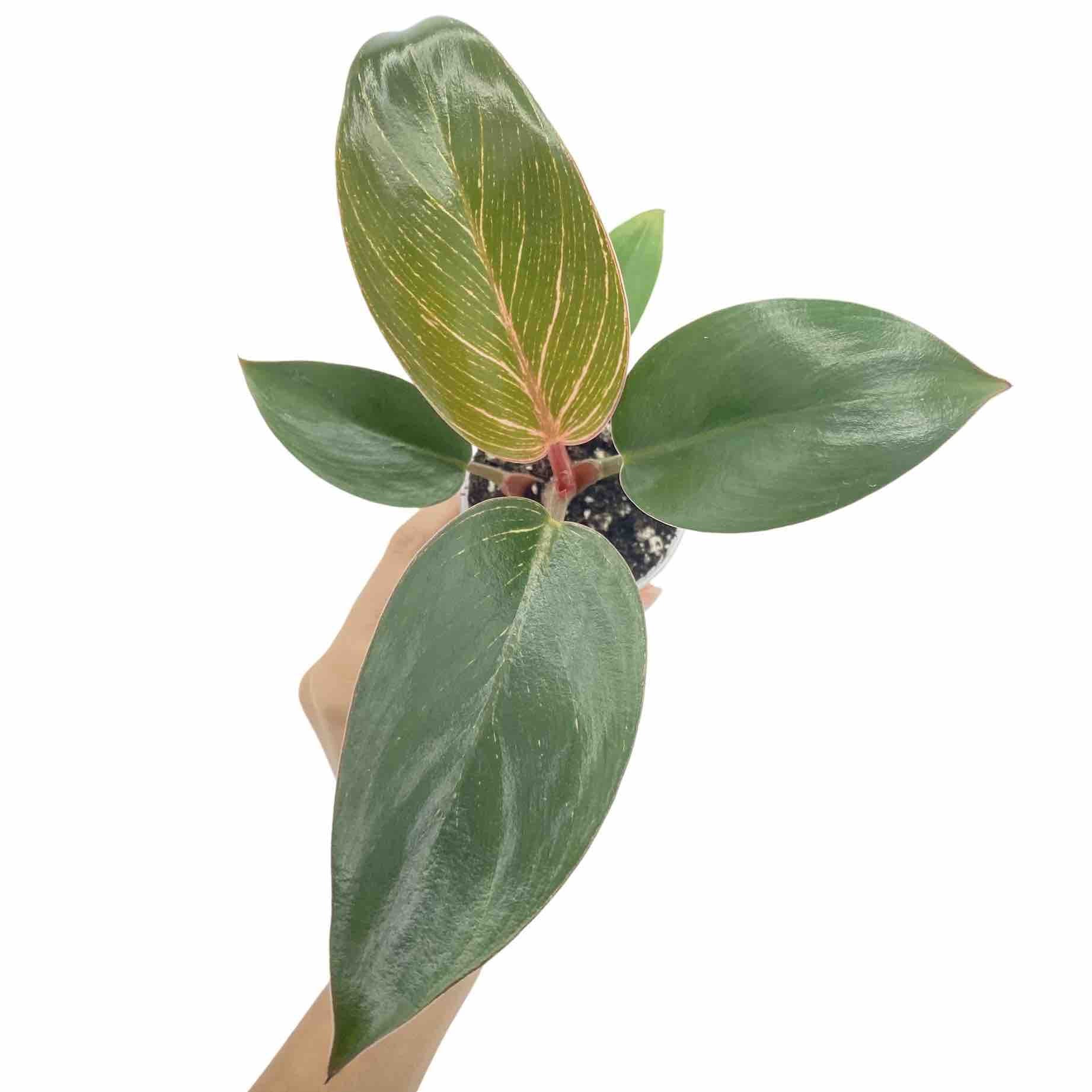
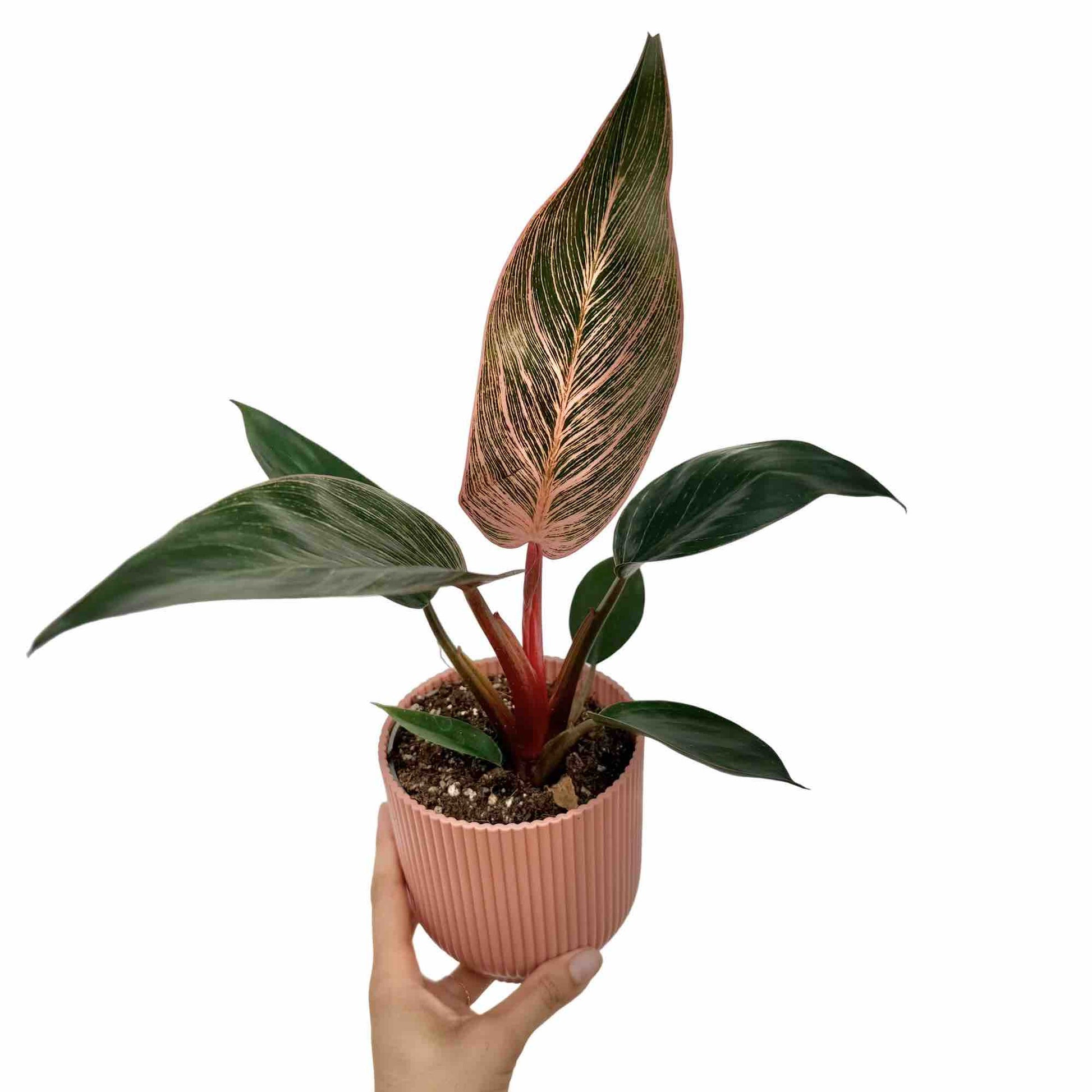
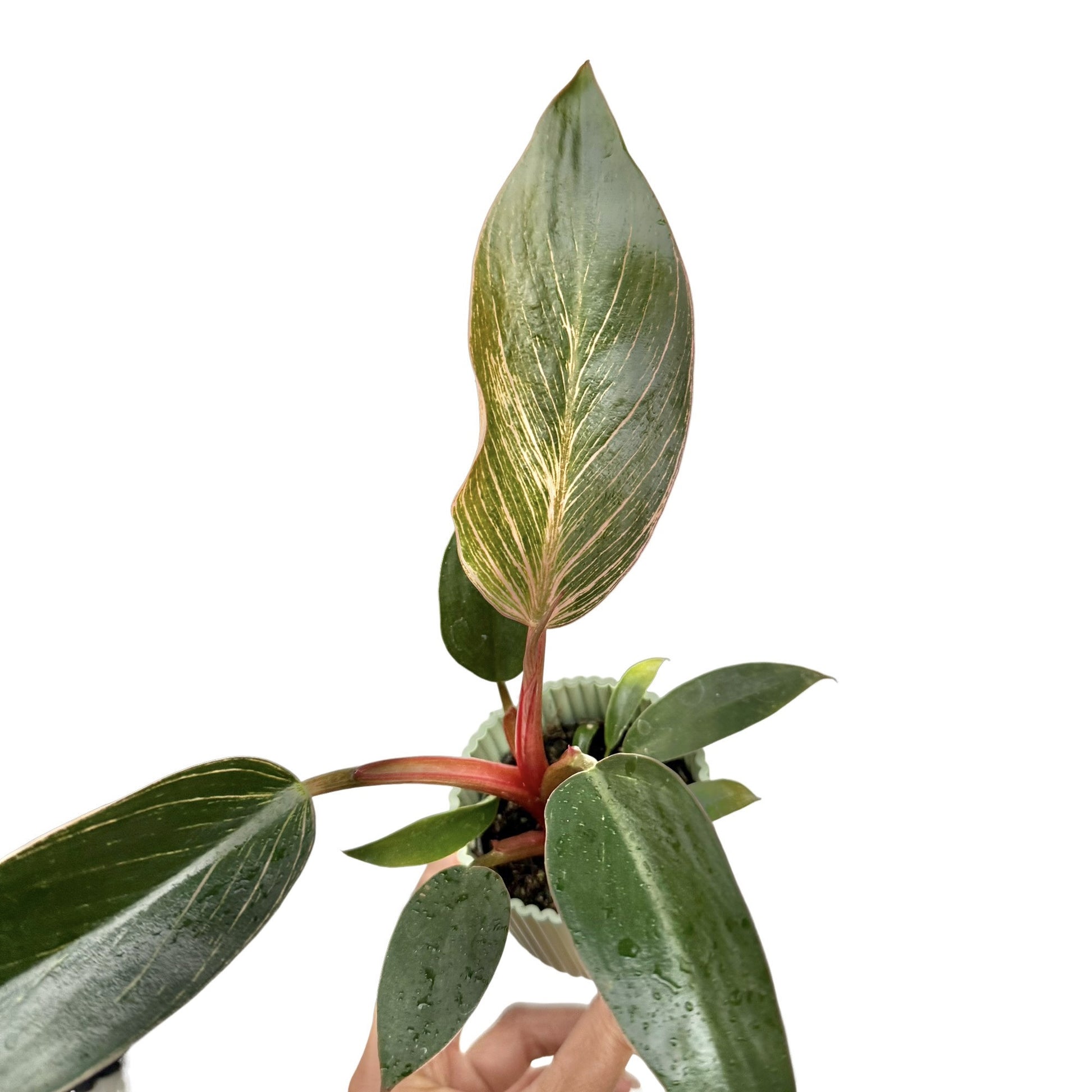
Its striking foliage is the true appeal of this tropical plant: each dark green leaf is adorned with fine cream, pink, or ivory stripes, which vary from leaf to leaf depending on the light and the plant's age. This evolving variegation , unique to the Pink Birkin, means that some leaves may display intense pink hues, while others exhibit more subtle lines, making each plant one of a kind. The oval, slightly glossy leaves have prominent veins that enhance their decorative presence.

Adopt the Philodendron Pink Birkin today and let this exceptional foliage transform your interior space.

Description

Maintenance tips

Guarantee

Commandez en toute sérénité 💚

Nos plantes d'intérieur, nos plantes d'extérieur et nos bulbes sont garantis 30 jours à compter de la réception.
Nos plantes sont rigoureusement sélectionnées, en pleine santé, acclimatées et expédiées dans un emballage pensé pour leur protection. Si un aléa survient pendant le transport, notre équipe est là pour vous accompagner.

  1. 💌 Comment bénéficier de la garantie ?
    1. À la réception, sous 48 h : envoyez une photo de votre plante entière à sav@plantandstories.com, avec votre numéro de commande. Même si elle est en parfait état, cette photo est obligatoire : elle active votre garantie de 30 jours et nous permet de vous conseiller dès l'arrivée. Si la plante est abîmée, ajoutez une photo du dégât.
    2. Pendant 30 jours : si votre plante dépérit, écrivez-nous à la même adresse avec des photos et votre numéro de commande.
    3. Nous étudions votre situation et convenons avec vous d'une solution : plante équivalente, avoir, remboursement partiel ou total 💚

Conditions : la plante n'a pas été rempotée et se trouve dans son pot d'origine ; son exposition et son arrosage ont respecté sa fiche d'entretien. Les plantes livrées dans une consigne ou un casier automatique ne sont pas couvertes.

Plantes d'extérieur et bulbes : la garantie s'applique jusqu'à leur plantation. Une fois plantés en pleine terre ou dans un autre contenant, ils ne sont plus couverts. Envoyez-nous votre photo de réception avant de planter.

🧺 Un accessoire défectueux ou non conforme ?
Envoyez une photo et votre numéro de commande à la même adresse. Vous choisissez le remplacement ou la réparation ; si ce n'est pas possible, nous vous remboursons. Tous les frais sont à notre charge.

Cette garantie s'ajoute aux garanties légales. Tous les détails sont dans notre politique « Garantie, retours et remboursements ».

Shipping

Vos plantes et accessoires livrés avec soin 🌿

📦 Quand votre commande part-elle ?
Plantes : expédiées du lundi au mercredi, pour ne pas rester bloquées en transit le week-end.
Accessoires : expédiés du lundi au vendredi.
Plantes et accessoires commandés ensemble : un seul colis, expédié du lundi au mercredi.
Par grand froid ou forte chaleur, nous pouvons décaler l'envoi des plantes de quelques jours pour les protéger. Nous vous prévenons alors par e-mail.

🚚 Qui livre votre colis ?
Commandes préparées par notre équipe : UPS.
Produits « direct producteur » : DPD, puis livraison chez vous par Chronopost, qui vous propose la veille plusieurs options (dont le point relais). Pour une plante, évitez les consignes automatiques (Pickup Station), où notre garantie de 30 jours ne s'applique pas.
Votre numéro de suivi vous est envoyé par e-mail. Vous le retrouvez aussi dans votre espace client, sur la page de votre commande.

⏱ En combien de temps ?
Une fois le colis remis au transporteur :
France continentale : 1 à 2 jours ouvrés
Corse : 3 à 5 jours ouvrés
Union européenne : 24 à 48 h à domicile, 24 à 72 h en point relais
Suisse : 3 à 5 jours ouvrés

💶 Combien ça coûte ?
France continentale : point relais 7,50 €, offert dès 100 € d'achat ; domicile 9,99 €.
Produits « direct producteur » : livraison offerte, à domicile, en France continentale (hors Corse), en Belgique, en Allemagne et aux Pays-Bas.
Autres destinations : tous les tarifs sont dans notre politique d'expédition. Le montant exact s'affiche au moment du paiement.

📸 À la réception
Envoyez sous 48 h une photo de votre plante à sav@plantandstories.com, avec votre numéro de commande : elle active votre garantie.

🌱 Plantes calées sur mesure, emballages recyclables.

🤝 Une question ?
sav@plantandstories.com ou 01 89 48 03 62, du lundi au vendredi de 9 h à 17 h.

View full details
  • Order prepared with love

  • Optimal protection

  • Quality plants

  • A team that is always attentive

Simple & reassuring

From the greenhouse to your living room

Ordering plants online is completely risk-free with us. Here is your worry-free journey.

1

You are ordering

100% secure payment, in full or in 3 interest-free installments with Klarna.

Risk-free
2

We prepare it by hand

Each plant is selected, inspected, and secured in suitable packaging.

Expert treatment
3

Ships within 24–48 hours

Ship at the beginning of the week to avoid having it stuck in transit over the weekend.

Fast delivery
4

Arrival guarantee

A problem with your delivery? Photos are all we need: we’ll replace it or refund you.

No stress
★★★★★9.99/10 from over 2,880 verified reviews

Already over 87,000 plants delivered with a smile

Philodendron Pink Birkin (Bikini)

Propriétés des plantes

Philodendron Pink Birkin (Bikini)


Luminosité
Bright indirect light
Arrosage
Allow the surface to dry between waterings
Difficulté de culture
Easy
Toxicité animaux
Toxic (cats, dogs)
Température idéale
18 to 24°C
Hauteur à maturité
40 to 60 cm
Emplacement conseillé
Desk or shelf, indirect lighting
Humidité
High
Substrat
Light epiphyte mix (bark, perlite)
Rempotage
Every 2 years
Fertilisation
Fertilize every 2–3 weeks from March to October.
Croissance
Slow
Nom latin
Philodendron 'Pink Bikini' (sold as 'Pink Birkin')
Noms communs
Philodendron
Famille botanique
Araceae
Origine
Horticultural hybrid (parents undocumented)
Port
Erected
Forme du feuillage
Oval
Couleur du feuillage
Variegated, with cream and pale pink streaks on glossy green.
Couleur de floraison
(non-ornamental flowering)
Feuillage
Persistent
Parfumé
No
Dépolluante
Yes

Your satisfaction is our priority

If you have any questions about the delivery of your package, or if anything is wrong upon its arrival, our team is here for you.

Feel free to contact us Monday through Friday, from 9 a.m. to 5 p.m., by phone at 01 89 48 03 62 or by email at sav@plantandstories.com.

We will do our utmost to find a solution quickly. 🌱

Help and solutions:

Everything you need to know Philodendron Pink Birkin (Bikini)

What kind of light exposure is best for my Philodendron Pink Birkin (Bikini)?

The Philodendron Pink Birkin thrives in bright, indirect light, ideally placed 1 to 2 meters from an east or west facing window.

In its natural habitat, the Pink Birkin grows under the tropical canopy, filtering sunlight through dense foliage. Indoors, it replicates this need by thriving in bright, indirect light. Insufficient light leads to the gradual disappearance of its characteristic pink and white stripes, as the plant produces entirely green leaves.

In summer, keep it slightly away from south-facing windows to avoid scorching the variegated foliage, which is more sensitive to direct sunlight than solid-colored leaves. In winter, move it closer to the light source to compensate for the reduced sunlight.

Important tip 🌿Avoid cold drafts and sudden temperature changes, which weaken the leaves and can cause dark spots. For dimly lit rooms, ourfull spectrum horticultural lampfaithfully imitates natural light, without harmful UV rays, and helps preserve the intensity of variegation all year round.

Is the Philodendron Pink Birkin (Bikini) toxic to animals and children?

The Philodendron Pink Birkin is toxic to cats, dogs and young children.

Like all plants in the Araceae family, the Philodendron Pink Birkin contains insoluble calcium oxalate crystals present in all its parts, including the leaves, stems, and sap. These crystals act like tiny needles that penetrate mucous membranes upon contact and cause an immediate irritant reaction.

If ingested, the most common symptoms are irritation and swelling of the mouth, tongue, and throat, excessive salivation, difficulty swallowing, and vomiting. These symptoms are usually mild, but can be more severe in young children or small animals.

What precautions should be taken on a daily basis?

Place your Philodendron Pink Birkin out of reach of pets and young children, either in a high place or in a room that is not easily accessible. If ingested, consult a veterinarian or doctor immediately.

With proper placement, the Pink Birkin can safely coexist in a home with children or animals, provided that vigilance is maintained.

Why are the leaves of my Philodendron Pink Birkin (Bikini) turning yellow?

The leaves of the Philodendron Pink Birkin most often turn yellow due to overwatering, insufficient light, or a nutrient deficiency.

  • If the leaves turn yellow and become limp, the problem usually stems from excess water causing the beginning of root rot.
  • If the leaves gradually turn yellow while remaining firm and dry, the plant often lacks light or fertilizer.
  • If the yellowing is accompanied by small light spots, a dull appearance or fine webbing, it may be a mite infestation, common indoors, especially in dry atmospheres.

The Philodendron Pink Birkin is particularly sensitive to lack of light: insufficient exposure not only causes the leaves to yellow, but also the progressive loss of the pink and white variegation that makes it unique, in favor of entirely green leaves.

Important tip 🌿One or two old leaves turning yellow from time to time is perfectly normal: it is part of the plant's natural cycle.On the other hand, there is cause for concern if several leaves turn yellow rapidly, if the phenomenon spreads to young leaves, or if growth slows down significantly.

In case of a mite infestation, prioritize ourplant-friendly biological treatments, effective and preserving the delicate variegated foliage of the Pink Birkin.

When and how should I repot my Philodendron Pink Birkin (Bikini)?

The Philodendron Pink Birkin is ideally repotted in the spring, between March and May, when growth actively resumes.

Repotting is necessary when:

  • The roots emerge through the drainage holes.
  • Growth is slowing down.
  • or that the substrate compacts too quickly after watering.

As a general rule, repotting every 2 years is sufficient for an adult plant.

The Philodendron Pink Birkin develops a dense and vigorous root system for its compact size: it can saturate its pot more quickly than other philodendrons of similar size, and repotting too late results directly in a cessation of the production of new variegated leaves.

Choose a pot 2 to 3 cm wider than the old one, and make sure it has drainage holes. Ourtransparent pots to monitor the rootsare ideal: their transparency allows you to easily monitor root recovery and the condition of the roots after repotting, without having to disturb the plant.

Prepare a well-draining and aerated substrate, specially designed for tropical plants.We recommend ourwell-draining substrates enriched with biostimulantsDesigned to promote drainage, root oxygenation, and healthy long-term growth. OurEnriched substrate suitable for aerial rootsis perfectly suited to the Philodendron Pink Birkin.

  1. Carefully remove the plant from its pot, tapping the pot if necessary to loosen the root ball without pulling on the stems.
  2. Gently loosen the roots if they are very compacted, without breaking them.
  3. Place a layer of substrate at the bottom of the pot, position the plant upright, then fill with substrate without burying the crown.

Important tip 🌿After repotting, water the plant to help the potting mix settle around the roots and eliminate any air pockets. Ensure that excess water can drain freely through the drainage holes.Keep in mind that repotting is always a source of stress for the plant. Repotting every two years is sufficient to ensure healthy and balanced growth.

When and how to fertilize my Philodendron Pink Birkin (Bikini)?

Philodendron Pink Birkin should be fertilized every 2 to 3 weeks from March to October, with a liquid fertilizer diluted in the watering water.

During autumn and winter, from November to February, significantly reduce or stop fertilizing. This is a period of dormancy during which the plant produces few or no new leaves.

The Philodendron Pink Birkin, by its nature as a horticultural hybrid with variegated foliage, is particularly demanding in nutrients to maintain the intensity of its pink and white stripes: a regular supply during the growth period is essential to prevent the new leaves from producing only uniform green.

A well-balanced intake promotes:

  • denser, more colorful foliage
  • steady growth,
  • and improved plant resistance.

👉 For best results, we recommend ourconcentrated fertilizer for houseplantsEasy to dose, with fast visible results. Practical tips are printed directly on the back of the label and on the product information sheet, for simple and hassle-free use.

Important tip 🌿Never fertilize a plant in a dry substrate: this could burn the roots.Water normally first, then apply diluted fertilizer 2 to 3 days later, when the soil is slightly moist. Excess fertilizer can cause leaf burn. Regular but moderate fertilization will keep your Philodendron Pink Birkin vigorous and healthy 💚

How do I properly water my Philodendron Pink Birkin (Bikini)?

Water the Philodendron Pink Birkin when the potting mix has dried out completely, approximately every 7 to 10 days in summer and every 12 to 15 days in winter. Use room temperature water.

Philodendron Pink Birkin is sensitive to the lime in tap water: it is recommended to use filtered water or water left to stand for 24 hours before watering, in order to avoid deposits on the variegated leaves and to prevent yellowing of the tips due to the accumulation of minerals in the substrate.

How do I know when to water?

The finger test remains the most reliable method: insert your index finger into the substrate to a depth of 2 to 3 cm. If the substrate is dry, it's time to water. If it's still damp, wait a few more days.

Important advice:When in doubt, it's always better to wait a little longer than to overwater. Plants adapt better to underwatering than to overwatering, which quickly causes root rot.

How do I propagate my Philodendron Pink Birkin (Bikini)?

Philodendron Pink Birkin is propagated by stem cuttings with at least one node, ideally in spring or early summer, when the plant is in full active growth phase.

Preparing the cuttingSelect a healthy stem with at least one well-formed node and, if possible, a developed leaf. Make a clean cut just below the node usingOur stainless steel blade pruner for a clean cutA clean, precise cut reduces the risk of infection and promotes rapid root development. Remove leaves below the node to prevent them from rotting due to contact with water or the substrate.

Step-by-step instructions:

  1. Place the cutting in a glass of room temperature water, with the node submerged, ensuring that no leaves are submerged. Change the water every 4 to 5 days to maintain a healthy environment.
  2. Place the cutting inOur transparent pots allow you to observe the rooting process.as soon as the roots reach 3 to 4 cm, to monitor their development without disturbing the plant.
  3. Keep the cutting in a warm and bright place (out of direct sunlight), at a temperature above 20°C to encourage rooting.

You can also root the cutting directly in thelive sphagnum moss to maintain root moisturewhich maintains constant moisture around the nodes and accelerates the development of the first roots. Once the roots are well developed, transplant into ourwell-draining substrate for Monstera and Araceae, adapted to the root needs of the Philodendron Pink Birkin.

Important tip 🌿Philodendron Pink Birkin typically roots in water within 3 to 5 weeks, depending on the ambient temperature. Note that cuttings taken from heavily variegated stems (predominantly white or pink) may root more slowly and produce leaves with a different pattern than the parent plant: this is a characteristic of this hybrid with its unstable variegation and is perfectly normal. The cutting is ready to be transplanted when the vigorous, white roots are at least 3 cm long.

Philodendron Pink Birkin avec feuillage vert foncé et nervures blanches, et nouvelle pousse rose saumon dans un pot strié rose

The essentials regarding Philodendron Pink Birkin (Bikini)

Philodendron Pink Birkin: identity and origin

The Philodendron Pink Birkin is one of the most sought-after cultivars of the genusPhilodendron, resulting from a spontaneous mutation of thePhilodendron'Rojo Congo'. Its dark green foliage, striped with cream to pale pink lines, makes it an extraordinary, graphic plant, with each new leaf revealing a unique and unpredictable pattern. Compact and non-climbing, it reaches 40 to 60 cm indoors and is suitable for both apartments and offices.

Philodendron care: light, watering and substrate

This Philodendron thrives in bright, indirect light, ideally 1 to 2 meters from an east- or west-facing window. Water once the top two-thirds of the potting mix has dried out, approximately every 7 to 10 days depending on the season. A humidity level above 60% preserves the beauty of the foliage and promotes consistent seasonal growth. Use oursubstrate enriched with biostimulants for Monstera and Philodendronformulated to ensure optimal drainage and nourish the roots deeply.

Where should you place your Philodendron for radiant foliage?

This cultivar is easily installed in most indoor spaces, provided that a few essential parameters are respected to preserve its variegation.

  • Bright light:Indirect, east or west window recommended
  • Distance :1 to 2 meters from a natural light source
  • Temperature :between 18 and 26°C, without drafts
  • Humidity :maintain above 60% for variegation
  • Dark room:OURfull spectrum horticultural lampmaintains active growth
  • Dry air:OURCare pack with sprayeasily compensates for the humidity deficit

Frequently asked question: Why do the variegations of the Pink Birkin disappear?

If the pink and cream stripes on your Philodendron Pink Birkin fade or disappear, the main cause is insufficient light: without enough bright, indirect light, the plant produces increasingly uniformly green leaves to maximize photosynthesis. Overwatering can also weaken the roots and disrupt nutrient absorption, resulting in dull foliage. After 2 to 3 weeks of acclimatization, you can repot it in ourtransparent pots to monitor the rootsand regularly bring ourliquid fertilizer with complete nutrient balanceto support the recovery of variegated crops.

Buy the Philodendron Pink Birkin at Plant and Stories

Our Philodendron Pink Birkin is in stock and carefully shipped to arrive in perfect condition. Each plant is selected for the quality of its variegated foliage and the vigor of its roots. Also check out ourcomplete collection of specialized substratesto support your Philodendron throughout its growth.

Show moreShow less
👉 To learn more