Thermal Shock in Houseplants in Winter: The Guide

Winter temperature shock in a houseplant is a sudden drop or fluctuation in temperature that damages the foliage: blackened, limp leaves that look waterlogged. The rule can be summed up in one sentence: keep plants away from cold windows and radiators, and avoid sudden temperature changes. Find everything you need to protect your plants in our collection of houseplants.
This guide explains what temperature shock is, how to recognize it, why tropical plants are sensitive to it, how to prevent it in winter, and what to do if your plants are affected.
🌿 What is temperature shock in plants?
Temperature shock occurs when a plant is exposed to a sudden change in temperature or to cold it cannot tolerate. Cold dehydrates and damages plant tissue, sometimes causing irreversible harm.
According to the UC IPM (University of California) program, cold causes buds, flowers, and young shoots to curl, turn brown, or blacken, while foliage appears “scorched” because low temperatures severely dehydrate the tissue. This dehydration process explains why affected leaves look waterlogged before turning black.
Temperature shock can be caused by a cold draft near a window, a trip out onto a freezing balcony, or a sudden difference between daytime and nighttime temperatures. Sudden fluctuations are especially damaging, even more so than steady, moderate cold.
👀 How to recognize the signs of temperature shock
Symptoms often appear within 1 to 2 days: limp, water-soaked-looking leaves, followed by browning or blackening, and sometimes leaf drop. The most exposed parts are affected first.
One important point: root damage is not immediately visible. As Clemson Extension (HGIC) notes, a plant with cold-damaged roots may not show signs of stress until later, when its water needs increase. That is why it is important to keep an eye on a plant that has been exposed to cold, even if it initially seems unharmed.
| Sign | What it indicates |
|---|---|
| Limp, water-soaked leaves | Early cold damage |
| Browning, blackening | Damaged tissue |
| Leaf drop | Response to temperature stress |
| Delayed decline | Roots affected; keep an eye on the plant |
Every winter, I see the same damage: a beautiful plant right next to a window, its leaves turning black overnight. The cold coming through the glass at night is enough. My go-to move is to pull all my tropical plants away from windows as soon as the first cold weather arrives. After years of experience, I keep repeating this: it’s not steady cold that kills plants, but icy drafts and sudden temperature changes.
❓ Why are tropical plants so sensitive to it?
Most of our houseplants come from the tropics, where temperatures stay mild and stable all year round. Unlike plants from temperate climates, they have never developed resistance to cold.
Below 10 to 15 °C, many tropical plants start to suffer, well before freezing temperatures. A Calathea, Anthurium, or Alocasia placed against a cold pane of glass or exposed to a draft experiences stress that its physiology is not equipped to handle. That is why winter—with its cold windows and radiators—is the riskiest season. By contrast, some hardier plants, such as many succulents or bay laurels, tolerate cooler temperatures, so it’s helpful to know where each plant comes from before deciding where to place it in winter.
columns: 4
columns_mobile: 2
-

 Livraison offerte
Zamioculcas - ZZ Plant - Set of 2 Plants - 17cm Pot - Height 65-75cm
Regular price From 84,95 €Regular price84,95 €From 67,96 €Livraison offerte -

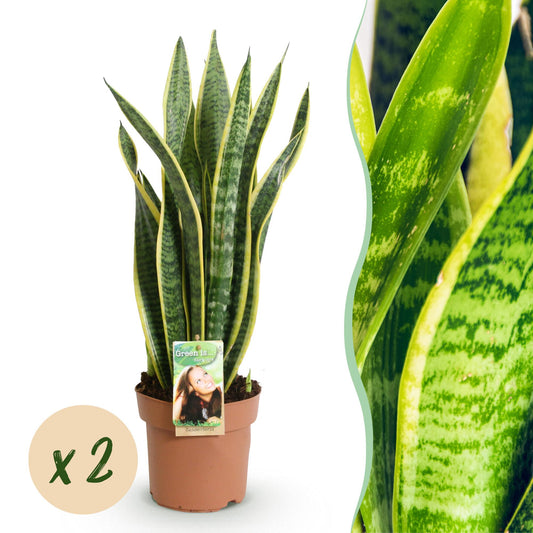
Sansevieria Laurentii - Mother-in-law's tongue - Set of 2 Plants - 17cm Pot - Height 60-70cm
Regular price From 84,95 €Regular price84,95 €From 67,96 €Livraison offerte -

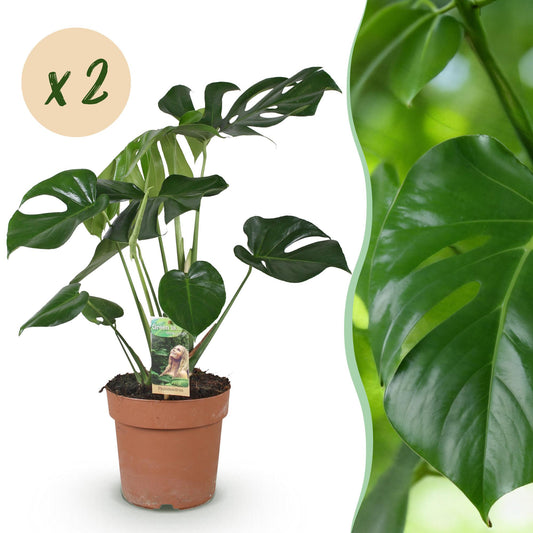
Monstera Deliciosa - Swiss Cheese Plant - Set of 2 Plants - 17cm Pot - Height 50-55cm
Regular price From 69,95 €Regular price69,95 €From 55,96 €Livraison offerte -

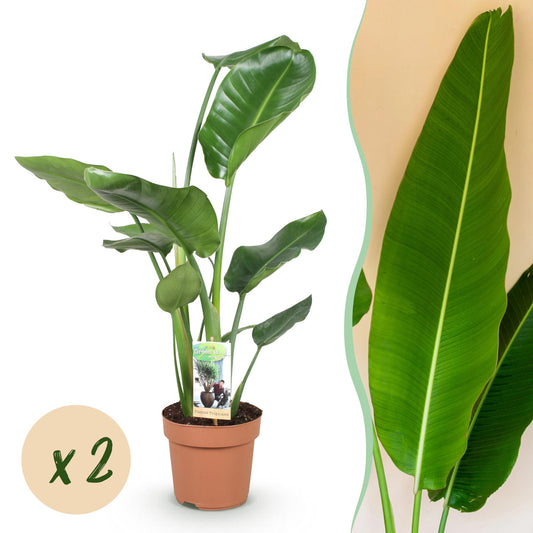
Strelitzia Nicolai - Bird of Paradise - Set of 2 Plants - 17cm Pot - Height 70-90cm
Regular price From 84,95 €Regular price84,95 €From 67,96 €Livraison offerte


🛡️ Preventing temperature shock in winter
Prevention is based on a simple principle: keep plants away from sources of sudden cold and heat. Move tropical plants away from cold windows, doors that open to the outdoors, and radiators.
In practice, move plants 20 to 30 cm away from windows, especially at night; don’t leave them behind a closed curtain against a freezing window; and never place them above a radiator, which dries them out and overheats them. Also limit cold drafts when airing out the room.
| Preventive measure | Effect |
|---|---|
| Move away from cold windows | Prevents nighttime cold exposure |
| Keep away from radiators | Prevents dry heat and temperature swings |
| Watch out for drafts | Doors and windows opening |
| Air out the room carefully | Keep icy air from blowing directly onto the plant |
⚠️ The riskiest situations in winter
Some situations carry a higher risk of temperature shock. Knowing what they are makes it easier to plan ahead before the first severe cold snap. Most involve exposure to outdoor air.
An uninsulated windowsill, an entryway where the door is frequently opened, carrying a plant home from the store in cold weather, or a room that is poorly heated at night are all common hazards. Moving a plant from a warm room to a cold one, or vice versa, also creates a sudden temperature change.
| Risky situation | Why |
|---|---|
| Windowsill at night | Cold comes through the window |
| Hallway or entryway | Repeated cold drafts |
| Bringing a plant home from the store | Sudden exposure to cold |
| Unheated room at night | Significant day/night temperature difference |
❄️ Should you cut off leaves damaged by cold?
When leaves turn black, the instinct is to cut them all off—but it’s better to wait. A partially damaged leaf continues to nourish the plant, and cutting it too soon may remove tissue that is still useful.
So wait until the damage is clear and has stabilized: a leaf that is completely brown and limp can be removed, while a partially affected leaf can be left in place as the plant recovers. For stems, a simple test is to lightly scratch the bark: green underneath means the tissue is alive; brown means it is dead. This patience helps avoid weakening a plant that is already stressed.
📋 Quick reference guide (for experienced gardeners)
Winter temperature shock at a glance.
| Factor | Guide |
|---|---|
| Cause | Cold or sudden temperature change |
| Sensitive threshold | Often as high as 10–15 °C for tropical plants |
| Symptoms | Water-soaked, blackened leaves; leaf drop |
| Risk areas | Cold windows, doors, radiators |
| Roots | Damage may become visible later |
| Winter watering | Reduce: less light means less water |
| Prevention | Keep plants away from sources of heat and cold |
| After temperature shock | Be patient; don’t overwater |
| Temperature | Effect on a tropical plant |
|---|---|
| 18–24 °C | Comfort zone |
| 10–15 °C | Growth slows; early signs of stress |
| Below 10 °C | Risk of foliage damage |
🌡️ Adjusting plant care in winter
Beyond temperature, plant care slows down in winter: less light means less water and no fertilizer. Overwatering a dormant plant in cold soil significantly increases the risk of damage.
So reduce watering: depending on the plant, water only when the top 2 to 3 cm of soil is dry. Stop fertilizing until spring (NC State Extension recommends resuming in March or April), and don’t use icy water, which can suddenly cool the roots. This general slowdown helps the plant get through the season without unnecessary stress.
| Winter care factor | Adjustment |
|---|---|
| Watering | Less frequent; let the top few centimeters of soil dry out |
| Water | At room temperature, never icy |
| Fertilizer | Stop until spring |
| Light | Maximize exposure; move plants closer to bright windows (away from cold) |


🩺 Diagnosis: what to do after temperature shock
If a plant has been exposed to cold, a few simple steps can limit the damage. Here’s what to do.
| Situation | What to do |
|---|---|
| Leaves turn black after exposure to cold | Wait; only cut them once the damage is clear |
| Plant is waterlogged and limp | Move it away from the cold; don’t water |
| Plant looks weak a few days later | Roots may be affected: warm the plant and water minimally |
| Unsure about the stems | Scratch lightly: green = alive, brown = dead |
To help strengthen your plants, our range of fertilizers and plant care products and our easy-care plants can help you get through winter with peace of mind.
💚 Keep your plants protected all winter with Plant and Stories
Winter temperature shock is easy to prevent: keep tropical plants away from cold windows and radiators, avoid sudden temperature changes, and reduce care throughout the cold season. By eliminating sudden temperature fluctuations, you can give your plants a peaceful winter.
For a plant-friendly home, explore our houseplants and plant care products, carefully selected and prepared in France. With a few simple precautions, even the most delicate tropical plants can make it through winter unharmed and thrive again in spring, once warmer weather and brighter days return.