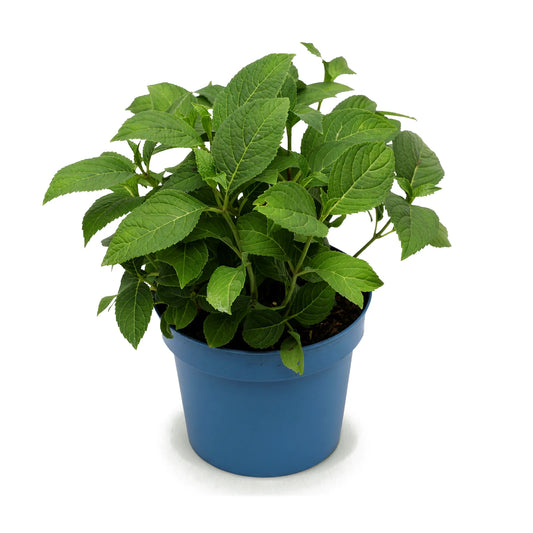
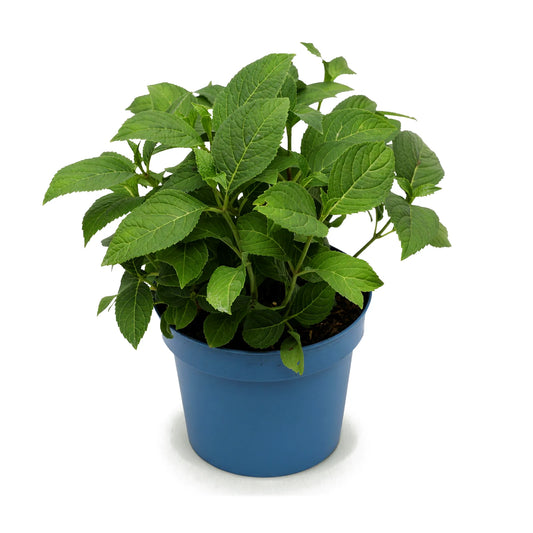
‘Annabelle’ Hydrangea (arborescens): planting, pruning, care

The 'Annabelle' hydrangea (Hydrangea arborescens) is famous for its enormous balls of white flowers, among the most spectacular sights in the summer garden. Very hardy and easy to grow, it flowers on the current year's wood, making pruning simple: cut it back hard in late winter. Its only drawback—its large flower heads drooping in the rain—is easy to manage. Here’s the complete guide, backed by horticultural data from the RHS and Kew.
🌿 Why plant the 'Annabelle' hydrangea?
The 'Annabelle' hydrangea puts on a spectacular summer display (large white flower heads up to 25 cm across) on a very hardy, undemanding shrub. As it flowers on the current year's wood, it can be cut back hard and is sure to flower every year, even after a harsh winter. It is one of the most reliable and generous hydrangeas, ideal for a partially shaded border.
| Benefit | What it brings to the garden |
|---|---|
| Large white flower heads | Spectacular spherical flower heads, up to 25 cm across, in summer. |
| Very hardy | The hardiest hydrangea: down to around -20°C (RHS hardiness rating H6). |
| Reliable flowering | It flowers on the current year's wood: hard pruning ensures flowers every year. |
| Easy and dependable | Undemanding, it flowers again even after a severe winter. |
🔎 'Annabelle' hydrangea at a glance
According to Kew POWO (Plants of the World Online), Hydrangea arborescens (Hydrangea arborescens L., family Hydrangeaceae) is native to the eastern United States; 'Annabelle' is its flagship cultivar. The RHS (Royal Horticultural Society) gives it a hardiness rating of H6 (the highest for hydrangeas) and notes its large white flower heads, highlighting that it flowers on the current year's wood.
| Feature | Verified details |
|---|---|
| 🏷️ Botanical name | Hydrangea arborescens L. 'Annabelle' (Hydrangeaceae) |
| 🌍 Origin | Eastern United States |
| 🌳 Type | Deciduous, bushy shrub with large white flower heads |
| 📏 Height x spread | 1.5 to 2.5 m x 1.5 to 2.5 m |
| 🌸 Flowering | Summer, with spherical white flower heads (up to 25 cm across) |
| 🔎 Key difference | Flowers on the current year's wood (unlike macrophylla, which flowers on old wood) |
📋 Quick facts
The essentials, all in one place.
| Feature | At a glance |
|---|---|
| Botanical name | Hydrangea arborescens 'Annabelle' (Hydrangeaceae) |
| Position | Preferably partial shade; sun if the soil stays moist |
| Hardiness | Very hardy (H6), around -20 to -15°C |
| Soil | Moist but well-drained; preferably acidic or neutral pH |
| Height x spread | 1.5 to 2.5 m x 1.5 to 2.5 m |
| Planting | In spring or autumn; container-grown plants can be planted year-round |
| Flowering | Summer, with large white flower heads up to 25 cm across |
| Pruning | Hard in late winter (flowers on the current year's wood) |
| Weak point | Heavy flowers that droop in the rain |
| Toxicity | Slightly toxic if ingested; sap can irritate (wear gloves) |
📍 Where to plant it: partial shade is best
The 'Annabelle' hydrangea prefers partial shade, where its large white flower heads last best; it tolerates full sun as long as the soil stays genuinely moist. It likes moist but well-drained soil, preferably acidic or neutral and rich in organic matter. Like all hydrangeas, it needs plenty of water: avoid spots that are too hot and dry, as these will cause it to wilt.
A cool, partially shaded spot, sheltered from strong winds (which can flatten its stems), is ideal.
☀️ Position: Preferably partial shade; sun if the soil stays moist
🌱 Soil: Moist but well-drained; preferably acidic or neutral pH
❄️ Climate: Very hardy (H6), around -20 to -15°C
🪴 Planting: partial shade, moist soil and watering
Plant the 'Annabelle' hydrangea in spring or autumn (or plant container-grown specimens at any time of year), preferably in partial shade, in moist but well-drained, preferably acidic or neutral soil enriched with organic matter. Water thoroughly after planting and apply a generous layer of mulch to retain moisture, as it needs plenty of water. Choose a spot somewhat sheltered from the wind and driving rain to protect its large flower heads.
| Step | What to do |
|---|---|
| When | In spring or autumn; container-grown plants can be planted year-round |
| Position | Preferably partial shade, with moist soil |
| Soil | Moist but well-drained; preferably acidic or neutral |
| Shelter | From wind and driving rain (the flowers are heavy) |
| After planting | Water thoroughly and apply a thick layer of mulch |
columns: 4
columns_mobile: 2
-


Hydrangea 'Limelight' (Hydrangea paniculata) - garden hydrangea - 17 cm pot - Height 50 cm
Regular price From 44,95 €Regular price44,95 €From 35,96 €Livraison offerte -

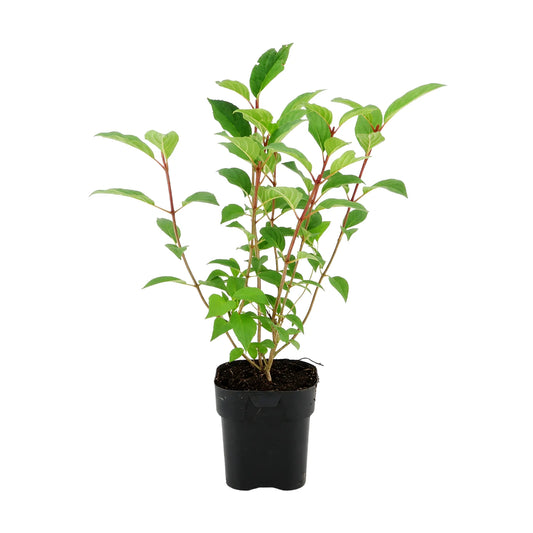
Hydrangea 'Vanilla Strawberry' (Hydrangea paniculata) - garden hydrangea - 17 cm pot - Height 50 cm
Regular price From 44,95 €Regular price44,95 €From 35,96 €Livraison offerte -

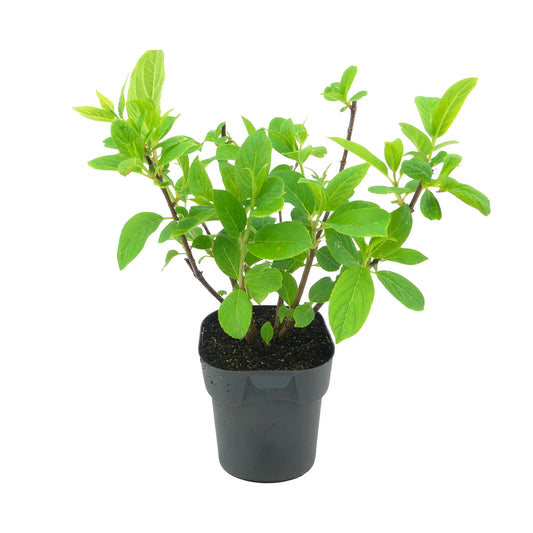
Hydrangea 'Pink Diamond' (Hydrangea paniculata) - garden hydrangea - 17 cm pot - Height 50 cm
Regular price From 39,95 €Regular price39,95 €From 31,96 €Livraison offerte -

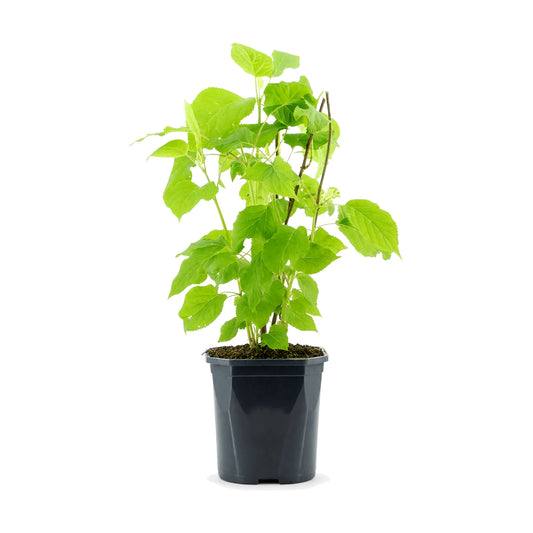
Hydrangea 'Annabelle' (Hydrangea arborescens) - garden hydrangea - 17 cm pot - Height 50 cm
Regular price From 39,95 €Regular price39,95 €From 31,96 €Livraison offerte


✂️ Care: watering, pruning and year-round maintenance
Caring for the 'Annabelle' hydrangea is simple: water and prune it. Water it during dry summers, especially in its first few years, and maintain a thick layer of mulch, as it needs plenty of water. Pruning is easy and rewarding: because it flowers on the current year's wood, cut it back hard in late winter.
To prevent the large flower heads from drooping, some gardeners leave a slightly taller framework, which produces somewhat smaller flowers but stronger stems.
💧 Watering: Regularly during dry summers; hydrangeas need plenty of water
🍂 Mulching: Apply a thick layer and renew it in spring
✂️ Pruning: Hard in late winter, as it flowers on the current year's wood
🔹 Preventing drooping: Leave a taller framework for stronger stems
🌱 Feeding: Moderate; too much encourages leafy growth
🍂 Pruning and seasonal calendar
The 'Annabelle' hydrangea has a simple annual cycle: hard pruning in late winter, bud break in spring, growth of the current year's stems, large white flower heads in summer, and decorative dried flower heads in autumn and winter. Here are the key tasks for each season.
📅 Seasonal care calendar
| Season | Key task |
|---|---|
| 🌸 Spring | Hard pruning in late winter; bud break; new stems start growing. |
| ☀️ Summer | Growth; large white flower heads; regular watering; shelter from driving rain. |
| 🍂 Autumn | Flower heads turn green then dry; water in dry weather; leave them in place. |
| ❄️ Winter | Dried flower heads look decorative in the frost; prune hard only in late winter. |
🌱 How to propagate the 'Annabelle' hydrangea
The 'Annabelle' hydrangea is very easy to propagate from softwood cuttings, from late spring to midsummer: take cuttings from flexible stems and place them in a free-draining medium in a sheltered spot to root. They establish quickly, and young plants flower within two to three years.
It is one of the easiest hydrangeas to propagate from a healthy, floriferous plant.
🐛 Common problems: diseases, pests and mistakes
The easy-to-grow 'Annabelle' hydrangea has one signature drawback (drooping stems) and the thirst common to all hydrangeas. Here are common problems and their solutions.
| Symptom | Likely cause | Solution |
|---|---|---|
| Large flower heads drooping to the ground | ⚠️ Heavy flowers drooping under the rain | Shelter or support the plant, or prune less hard for stronger stems |
| Wilting foliage in summer | 💧 Lack of water (hydrangeas are thirsty) | Water during dry summers and apply a thick layer of mulch |
| Few flowers | 💧 No pruning or too much nitrogen | Cut it back each late winter and use less fertilizer |
| Young shoots damaged by frost in spring | ❄️ Late frost | No cause for concern: it will regrow and flower on the current year's wood |


🌸 Varieties related to the 'Annabelle' hydrangea
The choice depends first and foremost on how you plan to use it: here's a reliable selection to help you make an informed choice.
| Variety | Its key feature |
|---|---|
| Annabelle | Enormous white flower heads; flowers reliably even after hard pruning |
| Incrediball | (Strong Annabelle) Sturdy stems that don't droop in the rain |
| Invincibelle Spirit | Pink version of Annabelle, repeat-flowering |
| Hayes Starburst | Double, star-shaped flowers; more compact growth |
| Grandiflora | Lighter white flower heads; abundant flowering |
🎨 Where to plant it and what to pair it with
The 'Annabelle' hydrangea brightens partially shaded borders: its large white flower heads stand out beautifully against dark foliage, alongside ferns, hostas, heucheras and other hydrangeas. It makes lovely, fresh-looking, bright borders, pairs well with shade-loving perennials and remains attractive into winter thanks to its dried flower heads. Planted in a group, its mass of white flowers creates a spectacular effect in a shady spot.
🔑 How to stop the 'Annabelle' hydrangea from drooping
This is the hydrangea's only real drawback, and it can be managed. Its flower heads are so large and heavy that, after a downpour, they become waterlogged and pull the stems to the ground. The RHS and gardeners' experience suggest several ways to prevent this.
First, choose the right spot: a somewhat sheltered position, away from wind and driving rain, helps, as does discreet support from neighboring shrubs or perennials.
The second solution is pruning: rather than cutting it back very low each late winter, you can leave a taller, sturdier framework. This produces woodier stems that are better able to support the flowers, at the cost of slightly smaller but more numerous flower heads.
Finally, modern selections with reinforced stems are available (such as 'Strong Annabelle' or Incrediball), specially bred to resist flopping. By combining a sheltered position with slightly less severe pruning, you can enjoy the large white flower heads without seeing them trail along the ground.
⚠️ Is the 'Annabelle' hydrangea toxic?
Like other hydrangeas, the 'Annabelle' hydrangea is listed by the RHS as slightly toxic if ingested (it may cause digestive problems in both people and animals), and its sap can irritate the skin. There's no serious cause for concern in the family garden, but avoid chewing on its leaves or flowers, keep an eye on young children and pets, and wear gloves when pruning it.
Aside from these simple precautions, it is an easy and safe shrub to grow.
✅ Our expert tips for success
The 'Annabelle' hydrangea is one of the easiest and most spectacular varieties: it is very hardy and flowers reliably thanks to its blooms forming on the current year's wood. Prune it hard in late winter.
Give it partial shade and moist soil, keep it well watered, shelter it from driving rain or leave it a sturdier framework to prevent drooping, and it will brighten your shady border with large white flower heads every summer.
Panicle hydrangea · Climbing hydrangea · Which hydrangea should you choose?
'Annabelle' is enchanting in a partially shaded border, as long as you anticipate its one drawback: those large flower heads that flop after rain. My tip: I don't cut it back as low as conventional wisdom would suggest, so it can grow sturdier stems. The flowers are a little smaller, but the plant holds up much better. And I always plant it somewhere sheltered from heavy downpours.

Laura Bruneau
Jardinière et autrice