Climbing Hydrangea (Hydrangea petiolaris): Planting and Care

Climbing hydrangea (Hydrangea petiolaris) is the perfect solution for covering a shady wall, including a north-facing facade: this woody climber attaches itself with aerial rootlets and is covered in broad, flat white flower heads in summer. Slow to get started, it then becomes vigorous and can cover an entire wall. Here’s the complete guide to growing it successfully, backed by horticultural information from the RHS and Kew.
🌿 Why plant climbing hydrangea?
Climbing hydrangea solves a common problem: covering a shady wall, facing north or east, where few climbers flower. Self-clinging, hardy and long-lasting, it needs no support and eventually covers large areas with fresh foliage and bright white flowers. You just need to be patient at first while it gets established.
| Benefit | What it means for your garden |
|---|---|
| Ideal for a north-facing wall | It flowers in shade, including on north- or east-facing walls. |
| It climbs on its own | Self-clinging with aerial rootlets: no support needed. |
| Vigorous once established | A single plant can cover the wall of a house once established. |
| Hardy and long-lived | Hardy to around -15 to -10°C (RHS rating H5), and can live for decades. |
🔎 Climbing hydrangea at a glance
According to Kew POWO (Plants of the World Online), the accepted botanical name for climbing hydrangea is Hydrangea petiolaris Siebold & Zucc. (family Hydrangeaceae); it is often labelled Hydrangea anomala subsp. petiolaris in garden centres. The RHS (Royal Horticultural Society) highlights its two major advantages: it tolerates shade (north- and east-facing walls) and climbs on its own using aerial roots.
| Feature | Verified details |
|---|---|
| 🏷️ Botanical name | Hydrangea petiolaris (Hydrangeaceae) |
| 🏷️ Also known as | Hydrangea anomala subsp. petiolaris (garden-centre name) |
| 🌳 Type | Deciduous, woody, self-clinging climber |
| 📏 Height | Over 12 m when mature; spread 4 to 8 m |
| 🌸 Flowers | Summer, with broad, flat white flower heads |
| ✨ Special feature | Tolerates shade; slow to get started, then vigorous |
📋 Quick facts
The essential details, all in one place.
| Factor | Details |
|---|---|
| Botanical name | Hydrangea petiolaris (Hydrangeaceae) |
| Aspect | Shade to sun; ideal on a north- or east-facing wall |
| Hardiness | Hardy (H5), around -15 to -10°C |
| Soil | Moist but well-drained; dislikes very alkaline and waterlogged soil most of all |
| Climbing habit | Self-clinging with aerial rootlets (no support needed) |
| Height | Over 12 m when mature; spread 4 to 8 m |
| Planting | In spring or autumn; container-grown plants can be planted year-round |
| Flowers | Summer, with broad, flat white flower heads (up to 20 cm) |
| Pruning | Lightly, after flowering (it flowers on the previous year's wood) |
| Toxicity | Mildly toxic if eaten; sap can irritate (wear gloves) |
📍 Where to plant it: ideal for a shady north-facing wall
Climbing hydrangea is one of the few flowering climbers that thrives in shade. It is particularly well suited to north- and east-facing walls, where it flowers without a problem, but also tolerates sun. It climbs walls or tree trunks on its own using aerial rootlets: no trellis is needed, just guide and tie in the young shoots at first.
The soil should be moist but well-drained. It particularly dislikes very alkaline, dry soil and standing water.
☀️ Aspect: Shade to sun; ideal on a north- or east-facing wall
🌱 Soil: Moist but well-drained; dislikes very alkaline and waterlogged soil most of all
❄️ Climate: Hardy (H5), around -15 to -10°C
🪴 Planting: a shady wall, watered roots and patience
Plant climbing hydrangea in spring or autumn (or any time of year if container-grown), at the base of a shady wall (ideally north- or east-facing), in moist but well-drained soil. Dig a little way out from the wall, where the soil is less dry, and guide the young stems towards the support until the aerial rootlets take hold.
Water regularly and mulch: getting started takes patience and soil that does not dry out.
| Step | What to do |
|---|---|
| When | In spring or autumn; container-grown plants can be planted year-round |
| Where | Shady wall (north or east), with moist, well-drained soil |
| Distance from wall | A little way from the base, where the soil is less dry |
| Getting started | Guide and tie in young shoots until they cling on |
| After planting | Water regularly and apply a thick mulch around the base |
columns: 4
columns_mobile: 2
-


Hydrangea 'Limelight' (Hydrangea paniculata) - garden hydrangea - 17 cm pot - Height 50 cm
Regular price From 44,95 €Regular price44,95 €From 35,96 €Livraison offerte -

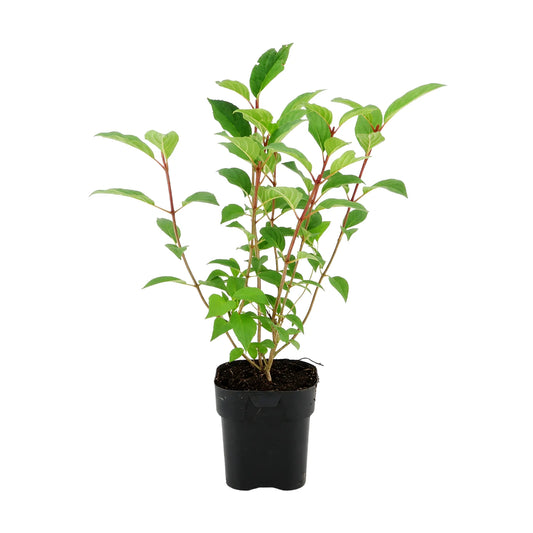
Hydrangea 'Vanilla Strawberry' (Hydrangea paniculata) - garden hydrangea - 17 cm pot - Height 50 cm
Regular price From 44,95 €Regular price44,95 €From 35,96 €Livraison offerte -

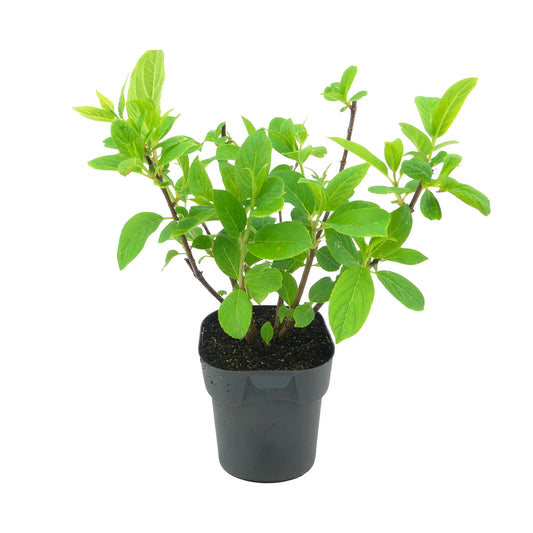
Hydrangea 'Pink Diamond' (Hydrangea paniculata) - garden hydrangea - 17 cm pot - Height 50 cm
Regular price From 39,95 €Regular price39,95 €From 31,96 €Livraison offerte -

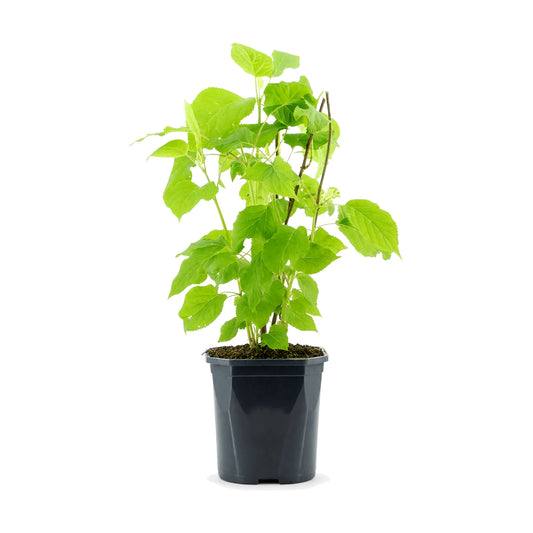
Hydrangea 'Annabelle' (Hydrangea arborescens) - garden hydrangea - 17 cm pot - Height 50 cm
Regular price From 39,95 €Regular price39,95 €From 31,96 €Livraison offerte


✂️ Care: watering, pruning and year-round maintenance
Climbing hydrangea needs very little maintenance, but it does need care while getting established: water around the base regularly during the first few years, especially at the foot of a wall where it is dry, and mulch. Prune lightly after flowering in summer: unlike panicle hydrangea and 'Annabelle', it flowers on the previous year's wood, so hard pruning would remove the flowers.
Simply shorten any excessively long shoots, and spread any major reduction over several years.
💧 Watering: Water regularly around the base for the first few years (soil is dry at the foot of a wall)
🍂 Mulching: Apply a thick mulch to keep the soil moist
✂️ Pruning: Lightly, after flowering; it flowers on the previous year's wood
🔹 Major reduction: Spread over 3 to 4 years to avoid losing flowers
🔹 Patience: Slow to get started during the first 2 to 3 years, then vigorous
🍂 Climbing hydrangea care calendar, season by season
Climbing hydrangea has a distinct cycle: slow initial growth followed by vigorous growth, new growth in spring, white flowers in summer, decorative yellow foliage in autumn and bare stems in winter. Here are the key seasonal tasks; once the plant is established, there are very few.
📅 Seasonal care calendar
| Season | Key task |
|---|---|
| 🌸 Spring | New growth; guide young shoots; water generously while the plant is getting established. |
| ☀️ Summer | Broad, flat white flower heads; water around the base regularly. |
| 🍂 Autumn | Decorative yellow autumn foliage; light pruning after flowering is possible. |
| ❄️ Winter | Bare stems in winter; once established, the plant is very self-sufficient. |
🌱 How to propagate climbing hydrangea
Climbing hydrangea can be propagated from cuttings in summer (softwood or semi-ripe): take sections of stem and root them in a free-draining growing medium, in a sheltered spot. They may take, but the plant is naturally slow to establish, so young plants need patience before they become vigorous.
Layering a low-growing stem where it touches the soil is another easy option for home gardeners.
🐛 Common problems: diseases, pests and mistakes
Climbing hydrangea is easy to grow once established, but most problems arise while it is getting started. Here are some common issues and their solutions.
| Symptom | Likely cause | Solution |
|---|---|---|
| Growth stalls during the first few years | ⚠️ Naturally slow to get started | Give it 2 to 3 years; water and mulch to help it get established |
| Plant dries out at the base of the wall | 🌬️ Soil is too dry under the rain shadow of the eaves | Water around the base regularly and apply a thick mulch |
| Chlorotic foliage | 🌱 Very alkaline, dry soil | Add organic matter and improve soil moisture retention |
| Few flowers after pruning | ✂️ Hard pruning or pruning at the wrong time | Prune lightly after flowering; it flowers on the previous year's wood |


🌸 Climbing hydrangea varieties
Choose according to how you plan to use it: here is a reliable selection to help you make an informed choice.
| Variety | What makes it special |
|---|---|
| Hydrangea anomala petiolaris (species type) | Self-clinging climber with white, flat flower heads |
| Miranda | Yellow-edged foliage, brighter in partial shade |
| Silver Lining | Silver-variegated foliage and a somewhat more restrained habit |
| Cordifolia | Compact and floriferous, ideal for a small wall or fence |
| Schizophragma hydrangeoides Roseum | A climbing relative with pinkish bracts; spectacular |
🎨 Where to plant it and what to pair it with
Climbing hydrangea is made for covering shady walls and facades, where ivy and few other plants thrive, with the added bonus of flowers. You can also train it to climb a large tree or let it cover a shady bank as ground cover. Ferns, hostas and other shade-loving perennials make a fresh, bright display alongside it.
Its white flowers brighten dark corners of the garden in midsummer.
🔑 Why is climbing hydrangea ideal for a north-facing wall?
This is its great specialty, and it is a rare one. The RHS says climbing hydrangea is particularly well suited to north- and east-facing walls—in other words, shady facades that get little or no sun. These walls are often a challenge: most flowering climbers refuse to thrive there, leaving ivy, which has no flowers, as the fallback choice.
Climbing hydrangea, by contrast, thrives and flowers there, producing broad, flat white flower heads in summer that brighten the shade. Another advantage: it climbs on its own using aerial rootlets (roots that cling to the support), just like ivy. No trellis or wires are needed; simply guide the young shoots at first until they take hold.
The only price to pay is patience: it is slow to get started during the first two or three years, then becomes vigorous enough to cover an entire wall. Water it and mulch around the base (where the soil stays dry under the rain shadow of the eaves), and it is the best flowering solution for a north-facing wall.
⚠️ Is climbing hydrangea toxic?
Like other hydrangeas, climbing hydrangea is listed by the RHS as mildly toxic if eaten (it may cause digestive upset in people and animals), and its sap can irritate the skin. There is no need for serious concern in a family garden, but avoid chewing the leaves or flowers, keep an eye on young children and pets, and wear gloves when pruning.
Aside from these simple precautions, it is an easy and safe climber.
✅ Our expert tips for success
Climbing hydrangea is the flowering answer for shady walls: self-clinging, hardy and long-lasting, it covers a north- or east-facing facade where almost nothing else flowers.
Success comes down to patience and water: water and mulch generously around the base during the first few years, prune lightly after flowering, and eventually it will cover an entire wall with fresh foliage and bright white flowers.
Climbing hydrangea is my favourite solution for a dreary north-facing wall: few plants flower as well in the shade while climbing on their own. My one piece of advice, and it is crucial: be patient and water it during the first two or three years, because the soil at the base of a wall is dry. Once it is established, it becomes vigorous and looks after itself—a delight of white flowers in the shade.

Laura Bruneau
Jardinière et autrice