

Dry Air and Heating: Protecting Your Plants in Winter

In winter, heating dries out the air in our homes and takes a toll on tropical plants: brown leaf tips, wilting foliage, and slower growth. The solution can be summed up in one sentence: move plants away from heat sources, group them together and, if needed, use a humidifier. Find everything you need to care for them in our range of tools.
This guide explains why heating dries out the air, how to recognize the symptoms, and which practical methods to use—from the simplest to the most effective—to help your plants get through winter in great shape.
Why does heating dry out the air?
In winter, the cold air outside already contains little moisture, and indoor heating dries it out even more. Radiators, boilers, and heating vents produce warm, dry air that lowers the humidity in your home.
As a result, while most homes already have humidity levels of around 30 to 50%, these can drop much lower during the peak heating season—well below the 50 to 60% tropical plants need. This gap can become critical for the most sensitive species.
This is a seasonal phenomenon: plants suffer most from autumn to spring, when the heating is on. Keeping a closer eye on them during this period and regularly checking their foliage can prevent a lot of damage.
How can you tell if a plant is suffering from dry air?
Plants show clear signs when the air is too dry. The most characteristic is dry, brittle browning at the tips and edges of the leaves.
According to Nebraska Extension (University of Nebraska-Lincoln), plants lose water through tiny pores in their leaves in a process called transpiration. This loss speeds up when the air is dry, hot, or drafty. When a plant can no longer compensate, the edges of its leaves dry out and turn brown. Other signs often accompany this symptom: wilting foliage despite proper watering, slower growth, leaf drop, and spider mites, which thrive in dry air. Leaves may also feel rougher and less flexible than usual. Looking for several of these signs together, rather than just one, helps you identify dry air with confidence and avoid mistaking it for a simple watering problem.
| Symptom | What it indicates |
|---|---|
| Brown, dry leaf tips | The clearest sign of air that's too dry |
| Wilting foliage | Water loss is faster than absorption |
| Slower growth | Water stress caused by the air |
| Spider mites | Pests encouraged by dry air |
Every winter, it's the same story: customers come in with Calatheas whose leaf edges have turned completely brown. The culprit is almost always the radiator right next to them. My first tip is free: move the plant away from the heat source. Then I group the plants together and, for the more demanding ones, add a humidifier. I always remind people that damaged leaves won't turn green again: look for progress in the new growth.
Move plants away from heat sources
The first step is free and immediate: move plants away from direct heat sources. A radiator or heating vent creates a hot, drying microclimate that is harmful to tropical plants.
As University of Wisconsin Extension points out, avoid placing plants near heating vents, fireplaces, or radiators, where they will be exposed to blasts of hot air. They should also be kept away from windows and doors, where they may be exposed to cold drafts. Aim for a spot with a stable temperature, away from extremes.
columns: 4
columns_mobile: 2
-
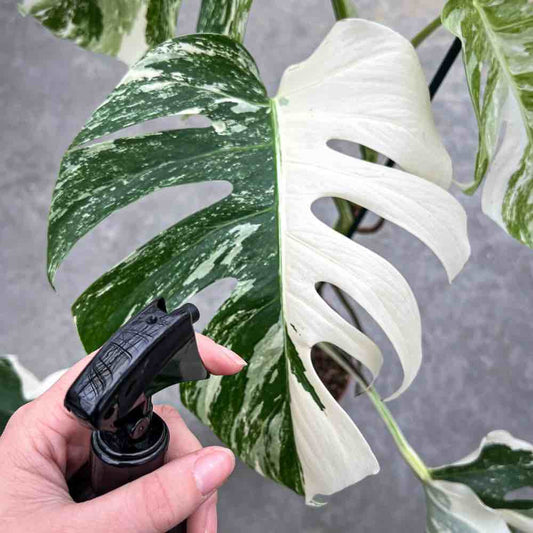
Plant sprayer, mist spray bottle, fine mist, 250ml
Regular price From 5,00 €Regular price5,00 €Sale price From 5,00 € -
Plant cleaning gloves - Anti-limescale
Regular price 10,00 €Regular price10,00 €Sale price 10,00 € -
Graduated watering bulb pipette, precision watering bulb
Regular price From 5,00 €Regular price5,00 €Sale price From 5,00 € -
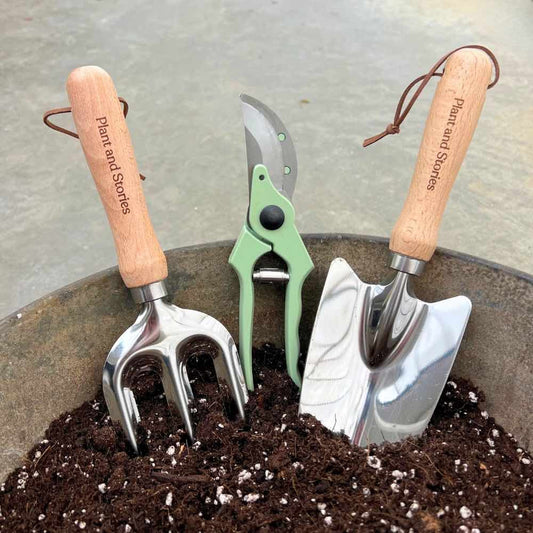
Gardening Tool Kit - Set of 3 Essential Tools - Garden Tool Set
Regular price 15,95 €Regular price29,95 €Sale price 15,95 €Sale



| Source to avoid | Why |
|---|---|
| Radiator, heater | Hot, drying air |
| Heating vent | Blasts of dry air |
| Poorly insulated window | Cold drafts |
| Front door | Sudden temperature changes |
Group plants together and add humidity
Two methods stand out for raising humidity: grouping plants together and using a humidifier. These are the most effective ways to combat dry air from heating.
When plants are grouped together, each one transpires and creates a more humid microclimate for its neighbors: it's free and effective. A humidifier is the most reliable way to maintain good humidity over time, especially for demanding species. Keeping plants in a naturally more humid room, such as a bright bathroom, can also make a big difference in winter.
| Method | Effectiveness in winter |
|---|---|
| Move away from radiators | Essential, free |
| Group plants together | Good, creates a free microclimate |
| Humidifier | The most reliable, long-lasting option |
| Humid room (bathroom) | A useful seasonal boost |
Which plants suffer most from dry air?
Not all plants react to dry air in the same way: tropical plants native to humid forest understories are the most sensitive, while others cope with it very well. Knowing which category each plant falls into helps you focus your efforts.
Calatheas, Marantas, ferns, and other rainforest plants need high humidity and quickly develop brown leaves in dry air. Aroids such as Monstera and Philodendron are more tolerant, but still appreciate good humidity. Succulents, cacti, and many other fleshy plants, on the other hand, prefer dry air and are unaffected by heating. So focus your humidifying efforts on the species with the greatest needs.
| Plant | Sensitivity to dry air |
|---|---|
| Calathea, Maranta, ferns | Very sensitive |
| Monstera, Philodendron | Fairly tolerant |
| Succulents, cacti | Prefer dry air |
| Most tropical plants | Prefer 50–60% |
Methods to take with a grain of salt
Some popular methods deserve a reality check: they can help a little, but on their own, they aren't enough to counter powerful heating. It's worth knowing this so you don't rely on them too much.
Misting leaves, for example, raises humidity for only a few minutes and needs to be repeated very often to have any real effect; it is no substitute for a humidifier. A tray of damp clay pebbles under the pot provides a small, localized boost—useful as a supplement, but modest. These tricks have their place, as long as you think of them as extras rather than the main solution to very dry air caused by heating.
📋 Quick reference (for experienced gardeners)
Key points for protecting your plants from dry air in winter, at a glance.
| Parameter | Guideline |
|---|---|
| Cause | Heating dries out the air |
| Risk period | Autumn to spring |
| Average home | 30 to 50% humidity, often less |
| Target for tropical plants | 50 to 60% |
| Key symptom | Brown, dry leaf tips |
| First step | Move away from heat sources |
| Reliable method | Humidifier |
| Damaged leaves | Won't turn green again |
Adjust watering in winter
Dry air isn't solved by humidity alone: watering also needs to be adjusted to the season. Many plants slow down in winter and need less water.
Water only when the top inch or two of potting mix has dried out, rather than following a fixed schedule, because excess water in winter, when the plant grows very little, encourages rot. Use room-temperature water to avoid shocking the roots, and empty the saucers. Finding the right balance between sufficient humidity in the air and careful watering is the key to helping plants overwinter well.
| Winter care | Why |
|---|---|
| Water less often | Growth slows down |
| Check the potting mix with your finger | Avoid overwatering |
| Use room-temperature water | Prevents root shock |
| Empty the saucers | Prevents rot |


Diagnosis: what to do about brown tips
When leaves start turning brown, here are the steps to take depending on the situation.
| Situation | What to do |
|---|---|
| Plant near a radiator | Move it immediately |
| Very dry air | Group plants together, use a humidifier |
| Tips already brown | Trim neatly and focus on new growth |
| Spider mites | Increase humidity, treat if needed |
To help care for your plants, our range of gardening tools and our moisture-loving Calatheas can help you get through winter.
Enjoy a worry-free winter with Plant and Stories
Dry air from heating doesn't have to be inevitable: move your plants away from radiators, group them together, and boost humidity to give them a comfortable winter. And remember: judge their recovery by the new leaves, not the old ones.
To care for your plants all year round, explore our indoor plants and tools, carefully selected in France. With these few simple steps, even the most delicate plants can make it through the heating season unscathed.

Laura Bruneau
Jardinière & autrice


