Mealybugs: Effective Natural Treatments

Mealybugs are best treated with a precise, repeated action: apply 70% alcohol to the cottony clusters, isolate the plant, and continue treatment for several weeks. The rule is simple: isolate the plant, dab the pests, and repeat until the following generations have disappeared. Find everything you need to care for your plants in our range of fertilizers and plant care products.
This guide explains how to identify mealybugs, why they are so persistent, how to get rid of them naturally, and how to prevent them from returning.
👀 Identifying mealybugs
Mealybugs are easily identified by their appearance: small, cottony, almost powdery white clusters nestled where the leaves meet the stems or on the underside of the foliage. These characteristic clusters give away their presence.
They are soft-bodied insects, 3 to 6 mm long, protected by a layer of white wax. They hide in sheltered crevices: leaf axils, the underside of the leaf blade, and the base of the stems. By feeding on the sap, they weaken the plant and produce a sticky honeydew that sometimes attracts a black fungus called sooty mold.
Over time, the damage becomes visible: stunted growth, yellowing, and sticky leaves. Without intervention, the plant's overall condition quickly declines, especially if it is already weak. A severe infestation can even exhaust a small plant by draining the sap faster than it can replenish it. Detecting the first clusters early, before they multiply, makes all the difference between quick treatment and a long, uncertain battle.
| Plants commonly affected | Areas to inspect |
|---|---|
| Succulents, cacti | Base of the leaves, crown |
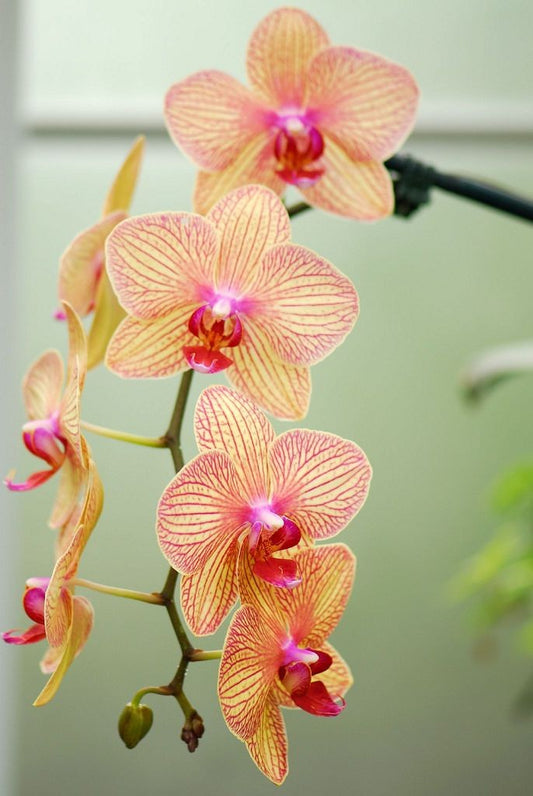
| Orchids | Axils, under the bracts |
| Ficus, aroids | Underside of the leaves, veins |
| Citrus, tropical plants | Tender new growth |
❓ Why are mealybugs so persistent?
Their resistance comes first from their waxy shell: this water-repellent layer repels water and many sprayed treatments, which slide over the cluster without reaching the insect. This is why a simple spray of water is not enough.
This is compounded by rapid reproduction. A female can lay 300 to 600 eggs in a cottony cocoon, and these eggs hatch in 1 to 3 weeks into mobile larvae (crawlers) that disperse throughout the plant before they are even noticed. This staggered hatching explains why a single treatment almost always fails. The complete cycle, from egg to adult, takes about 2 months, and is faster between 25 and 30°C: this is precisely why treatment must continue for several weeks, long enough to cover at least two generations. Crawlers also move from one plant to another through simple leaf contact or via hands, which is why it is vitally important to isolate the plant at the first sign.
| Factor | Why it makes it difficult |
|---|---|
| Waxy shell | Repels water and sprays |
| Prolific egg-laying | Hundreds of eggs per female |
| Staggered hatching | New larvae for weeks |
| Hiding places | Axils, undersides, base of the stems |
Mealybugs are the pests that require the most consistency. My customers almost always fail for the same reason: they stop as soon as the visible clusters disappear, even though the eggs continue to hatch for another month. My advice: treat every week for six to eight weeks, without fail. After years, I repeat it: when it comes to mealybugs, consistency beats any miracle product.
🧴 How to get rid of mealybugs naturally?
The standard method, validated by horticultural services, is dabbing with alcohol. According to the University of Maryland Extension, dipping a cotton swab in household alcohol and dabbing each mealybug can control light infestations; treated mealybugs turn light brown.
In practice, first isolate the plant. Then dab each cluster with a cotton swab soaked in 70% isopropyl alcohol, which dissolves the protective wax and dries out the insect. For more extensive infestations, an insecticidal soap or neem oil sprayed directly on the young larvae completes the treatment. Take care to avoid getting alcohol on the leaves, as they could be damaged.
columns: 4
columns_mobile: 2
-
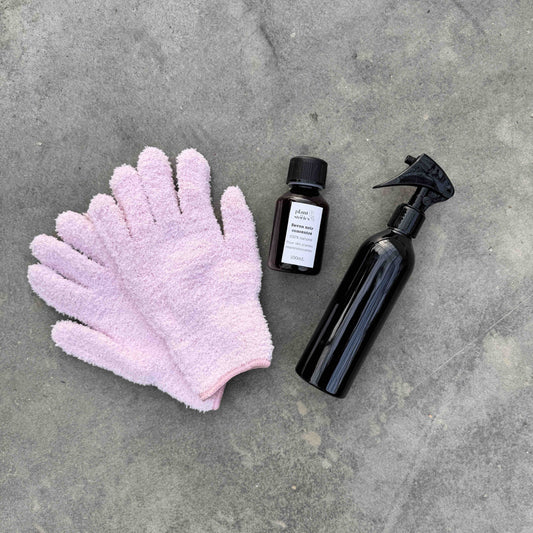
250ml plant sprayer + 100ml bottle of concentrated black soap for plants
Regular price 8,00 €Regular price9,75 €Sale price 8,00 €Sale -
Complete Plant Care Routine Pack - 250ml Spray Bottle + Concentrated Black Soap + Pair of Cleaning Gloves
Regular price 15,95 €Regular price19,95 €Sale price 15,95 €Sale -
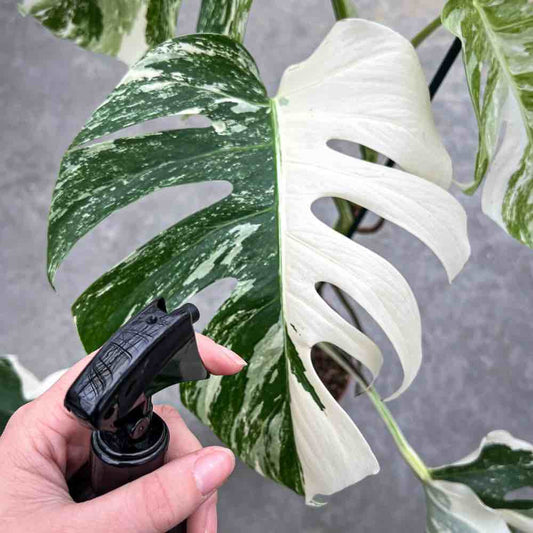
Plant sprayer, mist spray bottle, fine mist, 250ml
Regular price From 5,00 €Regular price5,00 €Sale price From 5,00 € -
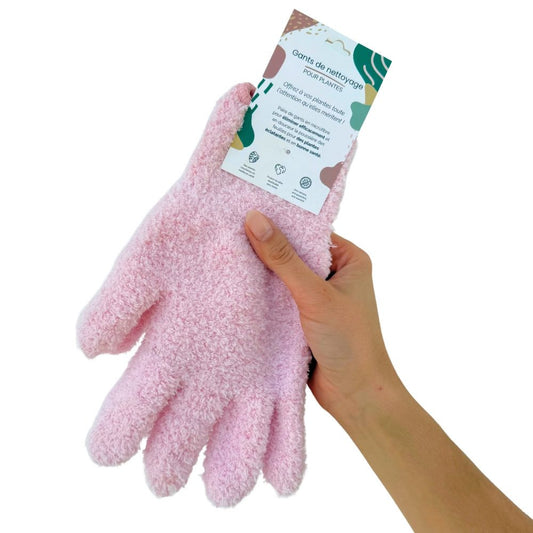
Plant cleaning gloves - Anti-limescale
Regular price 10,00 €Regular price10,00 €Sale price 10,00 €




🪜 The complete protocol, week after week
As the UC IPM (University of California) reminds us, you must repeat the process every week until the infestation has disappeared: all successively hatched larvae must be reached. We therefore plan in weeks, not in a single session.
The realistic schedule extends over six to eight weeks, or two complete generations. Inspect every 7 days, re-treat as soon as a cluster reappears, and do not let up when the visible adults disappear, because the eggs continue to hatch.
| Week | Action |
|---|---|
| Week 1 | Isolate, dab each mealybug with alcohol |
| Weeks 2 to 4 | Re-treat every week, hatched larvae |
| Weeks 5 to 8 | Continue until completely gone |
| At each watering | Inspect axils and undersides |
🌱 Complementary natural recipes
In addition to alcohol, a few gentle preparations strengthen the fight against mealybugs. They mainly work on the young larvae, which are less protected by the wax.
Diluted black soap (1 tablespoon per liter of warm water), neem oil, and a soap-vegetable oil mixture can be sprayed on the foliage and insects. The oil suffocates the larvae, while the soap dissolves their protection. Use them as a supplement to dabbing, never as a replacement for large clusters, because sprays slide over the wax of the adults.
| Natural solution | Mode of action |
|---|---|
| 70% alcohol (cotton swab) | Dissolves the wax, dries out the adult |
| Diluted black soap | Dissolves the larvae's protection |
| Neem oil | Suffocates and disrupts the cycle |
| Soap + vegetable oil | Combined action on young pests |
⚠️ Should you discard a heavily infested plant?
A severe infestation is not always a death sentence, but sometimes common sense dictates that you completely isolate, or even sacrifice, a plant to protect the rest of the collection. It all depends on the extent and value of the plant.
A robust, well-established plant generally survives, provided you treat early and consistently. On the other hand, a weak plant, invaded down to the roots by root mealybugs, can be very difficult to save: you must then excavate the roots and replace all the substrate, or resign yourself to isolating and then eliminating the plant. It is better to make a clear decision than to risk widespread contamination.
📋 Quick technical sheet (for experienced gardeners)
The essential points for fighting mealybugs at a glance.
| Parameter | Key point |
|---|---|
| Appearance | Cottony white clusters, 3-6 mm |
| Location | Axils, undersides, base of the stems |
| Key treatment | 70% isopropyl alcohol with a cotton swab |
| Extensive infestation | Insecticidal soap or neem oil |
| Duration | 6 to 8 weeks (2 generations) |
| Frequency | Every week, without fail |
| Precaution | Test on 1-2 leaves beforehand |
| Prevention | Quarantine, avoid excess nitrogen |
🛡️ Preventing the return of mealybugs
Prevention relies on two habits: quarantining new plants and using measured fertilization. Mealybugs love the tender new growth produced by an excess of nitrogen fertilizer.
In practice, isolate any new plant 15 days before bringing it close to the collection, regularly inspect the crevices where they hide, and avoid over-fertilizing. A healthy plant that is neither overwatered nor overfed resists better. Our plant care products help keep plants vigorous.
| Preventive action | Effect |
|---|---|
| 14-day quarantine | Prevents introducing the infestation |
| Regular inspection | Early detection of clusters |
| Measured fertilization | Fewer tender new shoots |
| Healthy plant | Better natural resistance |


🩺 Diagnosis: mealybugs or another pest?
Mealybugs are sometimes confused with other problems. Here is how to read the signs.
| Symptom | Probable cause and clue |
|---|---|
| Cottony white clusters | Mealybugs: dab with alcohol |
| Small, stationary brown shells | Shield bug, immobile |
| Moving dots and fine webs | Rather spider mites |
| Black deposit on the leaves | Sooty mold on honeydew: clean and treat |
To strengthen your plants, our range of fertilizers and plant care products and our indoor plants support you every day.
💚 Healthy plants with Plant and Stories
Against mealybugs, the winning strategy consists of three pillars: immediate isolation, dabbing with alcohol, and repeated treatment for six to eight weeks. By reaching each generation, you get rid of the most persistent pest. Patience is your best weapon here: those who persevere for a few weeks almost always end up having the last word.
For a healthy home, explore our indoor plants and our plant care products, selected and prepared with care in France. With method and a little patience, even a badly affected plant regains all its vigor and becomes the beautiful ornament it once was.