Daily care and tips for Houseplants

How can you easily care for your houseplants every day?

Most houseplants prefer bright, indirect light and watering once the top two or three centimeters of potting mix have dried out. Check the soil with your finger rather than following a fixed schedule. A monthly application of our liquid houseplant fertilizer supports growth during the active growing season in spring and summer. Adjusting your watering to the season and watering less often in winter is the best way to prevent overwatering.

What’s the most common care mistake people make with houseplants?

O'verwatering is still the most common mistake, because the surface of the growing medium dries out much faster than the root ball deeper down. It is best to check that the moisture has disappeared deep down before'watering again to avoid root rot. A well-draining container and suitable growing medium also help reduce this risk.

Where can I buy high-quality houseplants online?

Plant and Stories offers a carefully curated selection of indoor plants from French and European growers. Each order is packaged appropriately to protect the foliage and root ball. The site also provides detailed care advice to help you look after each new plant after it arrives.

Everything you need to know about Houseplants

Which houseplant should you choose when you’re just starting out?

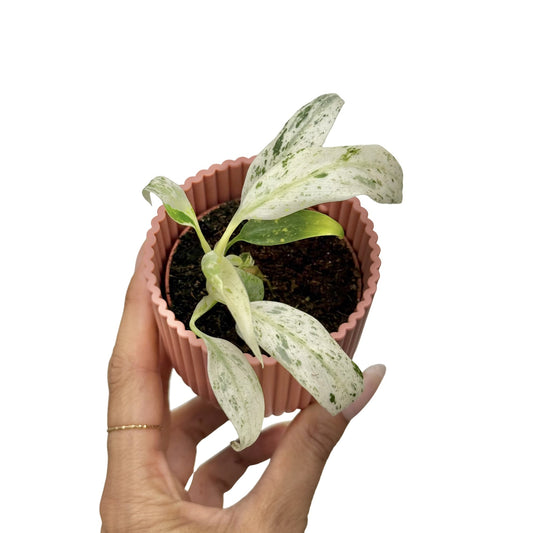
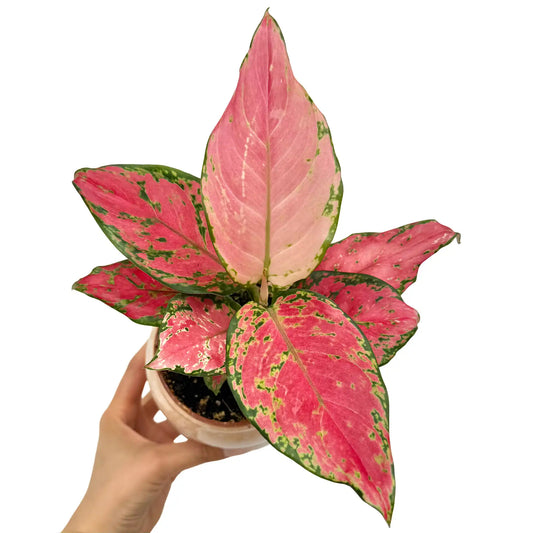
To start, opt for varieties known to be easy to care for, such as Scindapsus,'Aglaonema or Philodendron, which can tolerate the occasional missed watering and varying light levels. These plants'adapt well to most interiors, including rooms with little natural light. They make an excellent entry point before moving on to more demanding species.

What is the difference between an easy-care houseplant and a demanding one?

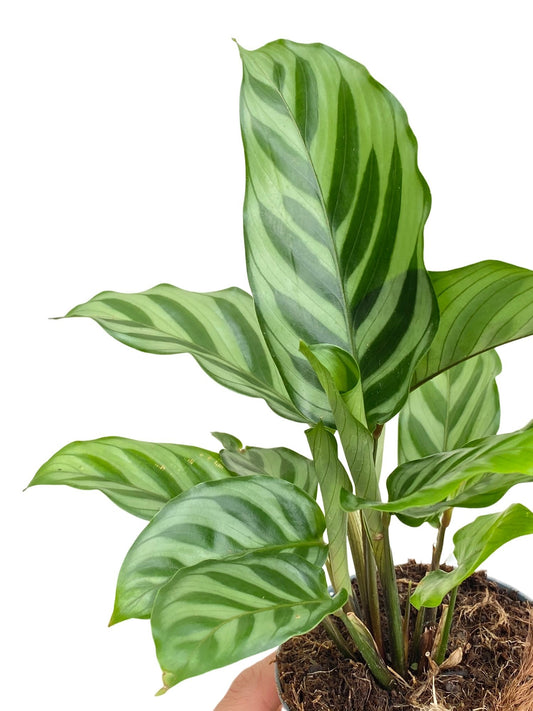
An easy-care plant tolerates variations in light, watering, and humidity without quickly deteriorating, such as Pothos or ZZ plants. A demanding plant, like some Calatheas, requires stable humidity and precise lighting to maintain healthy foliage. The choice therefore depends as much on your availability as on the actual conditions in your home.''

Are all houseplants safe for pets?

No, many houseplants are toxic to cats and dogs if ingested, including Monstera and Dieffenbachia. It is recommended that you check the information sheet for each species before purchasing it if you live with pets. Genera such as Chlorophytum and certain Calathea species, on the other hand, are safer choices.

Houseplants

To choose the right houseplant, start with your light and lifestyle: hardy species like Zamioculcas or Sansevieria can handle shade and missed waterings, while plants with spectacular foliage need bright, indirect light. Water only when the top 2–3 cm of potting mix is dry, and let it dry out completely for Zamioculcas or Sansevieria.

The essentials at a glance:

  • ☀️ Light: Bright, indirect light for most; some species tolerate lower light
  • 💧 Watering: When the top 2–3 cm of potting mix is dry
  • 🎚️ Difficulty: From beginner-friendly to collector's plants
  • 🐾 Pets: Check toxicity for each species
  • 🍃 Examples: Monstera, Pothos, Zamioculcas, Calathea, orchids

Houseplants: a collection for every style and every home

This collection brings together a variety of species, from the Monstera with its spectacular foliage to easy-care varieties like Scindapsus or Pothos, as well as the elegant Ficus and flowering orchids.

Easy-care, hardy houseplants

For beginners, Zamioculcas and Sansevieria store water in their rhizomes or leaves and tolerate moderate light. Aglaonema is happy in a less brightly lit spot, and Chlorophytum is among the plants listed as non-toxic to cats and dogs by the ASPCA. Find them in our easy-care plants.

The most beautiful houseplants, room by room

For a jungle feel in the living room, try a Philodendron, Alocasia or a large Strelitzia near a bright window. In a bright bathroom, the painted leaves of a Calathea thrive on the ambient humidity. In the bedroom, opt for low-maintenance plants, and save baby plants for shelves and desks.

Houseplant care: the essentials

Most houseplants prefer bright, indirect light and should be watered only when the top 2–3 cm of potting mix is dry, less often in winter. Choose our universal potting mix enriched with biostimulants and apply our liquid houseplant fertilizer in spring and summer.

Buy your houseplants from Plant and Stories

Our houseplants come from French and European growers selected for the quality of their cultivation, and are shipped in custom, protective packaging with a tracking number. Every plant is guaranteed on arrival and will be replaced or refunded if there's a problem: find the one that suits your home and lifestyle.

For more information, read our complete guide: Houseplants: The Complete Guide to Creating Your Tropical Oasis in 2026.

Show moreShow less