Lilac (Syringa): planting, pruning and fragrant flowering

Lilac is the quintessential fragrance of spring: in April and May, its large mauve, white, or purple panicles fill the entire garden with scent. Hardy, robust, and resilient, this shrub endures for decades without faltering. There is only one rule to ensure you never miss its bloom: prune it just after the flowers have fallen, not in winter. This guide explains how to plant it, prune it, and keep it flowering.
🌿 Why plant lilac?
You plant lilac for its spectacular bloom and unmistakable fragrance, which herald the arrival of spring. It is a hardy, robust, and long-lasting shrub that thrives in almost any soil, including alkaline soils. It flowers every year on the previous year's growth, which explains why the timing of pruning is so important.
The RHS (Royal Horticultural Society) counts it among the great fragrant classics of the garden, easy and reliable.
| Strength | What it brings to the garden |
|---|---|
| Unrivalled fragrance | Panicles with a powerful, sweet fragrance, the emblem of May |
| Very hardy | Rated H6 by the RHS (from -20 to -15 °C), lilac can withstand all climates in our regions |
| Tolerant | It grows in almost any soil, including alkaline soils, and thrives in the sun |
| Long-lasting | An incredibly resilient shrub that flowers reliably for decades |
🔎 Lilac's ID card
Lilac belongs to the genus Syringa, in the Oleaceae family. The most widely cultivated species is Syringa vulgaris, the common lilac, described by the RHS (Royal Horticultural Society), available in hundreds of single or double varieties. There are also dwarf lilacs such as Syringa meyeri 'Palibin', perfect for small gardens.
They all flower in spring on the wood formed the previous year: this detail dictates when to prune.
| Criterion | Verified detail |
|---|---|
| 🏷️ Botanical name | Syringa vulgaris (and Syringa meyeri) |
| 🧬 Family | Oleaceae |
| 🌍 Origin | South-east Europe |
| 🌳 Type | Deciduous shrub with fragrant spring flowers |
| 📏 Height | 2 to 4 m (0.8 to 1.5 m for dwarf varieties) |
| 🌸 Flowering | Fragrant panicles in April and May |
| ☀️ Exposure | Full sun |
| 🌱 Soil | Ordinary, well-drained, tolerates alkaline soils |
| 🐝 Pollination | Self-fertile |
| ❄️ Hardiness | H6 according to the RHS: from -20 to -15 °C |
📋 Quick technical sheet
The essential pointers, all at a glance.
| Parameter | Pointer |
|---|---|
| Botanical name | Syringa vulgaris |
| Family | Oleaceae |
| Type | Fragrant deciduous shrub |
| Exposure | Full sun |
| Soil | Ordinary, well-drained, tolerates alkaline soils |
| Hardiness | H6 according to the RHS: from -20 to -15 °C |
| Height | 2 to 4 m |
| Distance | 1.5 to 2.5 m between plants |
| Flowering | April to May |
| Longevity | 30 to 50 years |
📍 Where and when to plant lilac: sun and well-drained soil
Plant lilac in full sun: this is the condition for abundant, fragrant flowers. In the shade, it flowers little. Unlike acid-loving plants, it prefers neutral to alkaline soils, provided they are well-drained; it only dislikes heavy, waterlogged soils. Give it plenty of space, as it grows into a large shrub measuring 2 to 4 m.
Allow 1.5 to 2.5 m between plants. Planting is ideally done in autumn with bare roots, or in spring outside the frost period, watering thoroughly in the first year.
☀️ Exposure: Full sun
🌱 Soil: Ordinary, well-drained, tolerates alkaline soils
❄️ Climate: H6 according to the RHS (from -20 to -15 °C)
🪴 Planting lilac step by step
Planting lilac is simple and very successful with bare roots in autumn. The essentials are well-drained soil and a sunny spot. Regular watering in the first year ensures vigorous establishment.
| Step | The right action |
|---|---|
| Prepare | Cool the roots and apply root-dip to a bare-root plant |
| Dig | Open a wide, loosened hole in well-drained soil |
| Plant | Position the root collar at soil level, fill and firm |
| Water | Water thoroughly to firmly seat the soil around the roots |
| Mulch | Spread mulch to keep it cool in the first year |
columns: 4
columns_mobile: 2
-


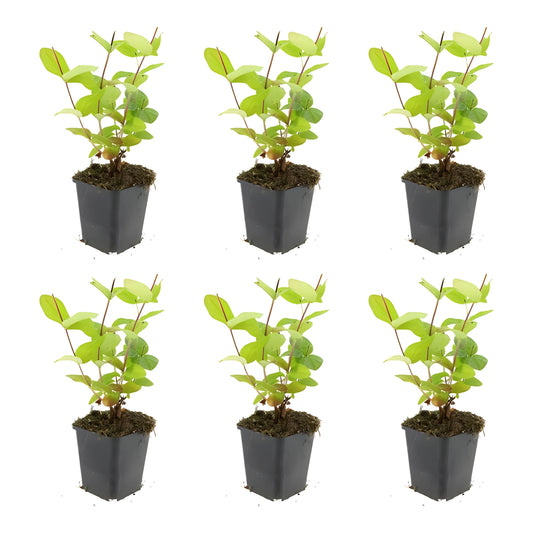
Common lilac 'Ludwig Späth' (Syringa vulgaris) - scented shrub - 17 cm pot - Height 45 cm
Regular price 49,95 €Regular price49,95 €39,96 €Livraison offerte -

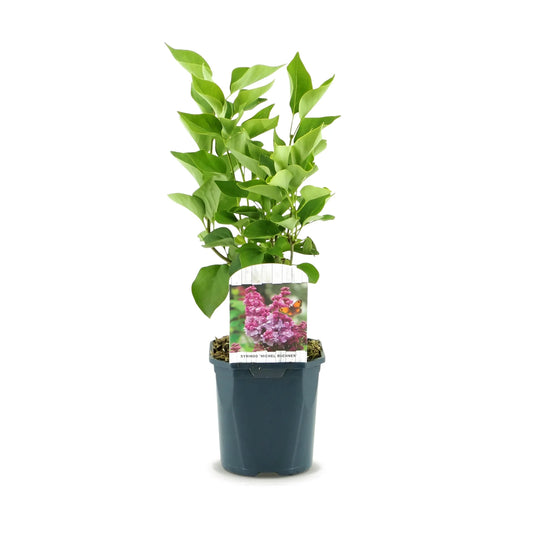
Common lilac 'Michel Buchner' (Syringa vulgaris) - fragrant shrub - 17 cm pot - Height 45 cm
Regular price 49,95 €Regular price49,95 €39,96 €Livraison offerte -


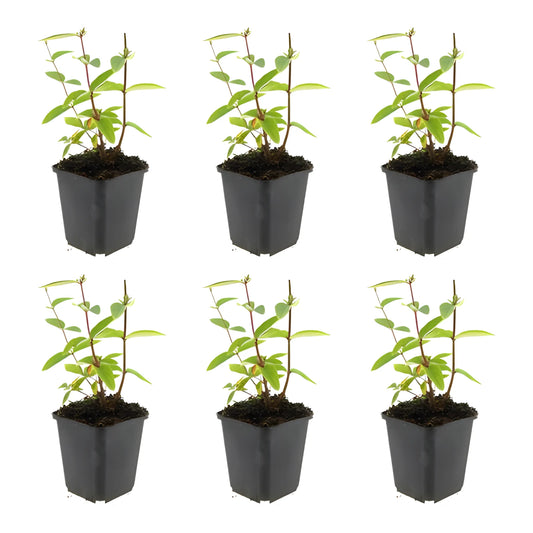
Common lilac 'Mme Lemoine' (Syringa vulgaris) - scented shrub - 17 cm pot - Height 45 cm
Regular price 49,95 €Regular price49,95 €39,96 €Livraison offerte -


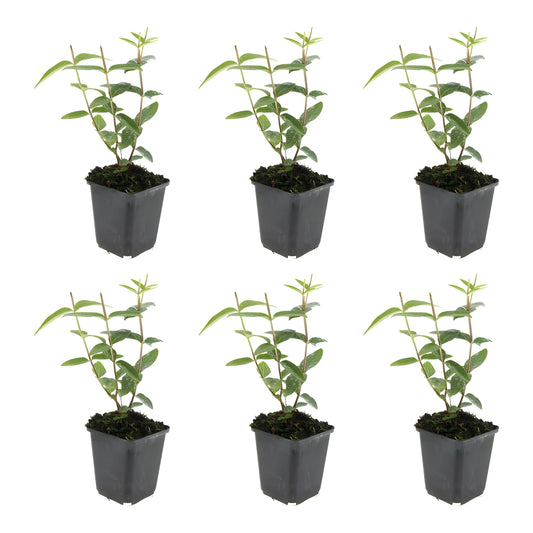
Dwarf Meyer Lilac 'Palibin' (Syringa meyeri) - fragrant shrub - 19 cm pot - Height 90 cm
Regular price 69,95 €Regular price69,95 €55,96 €Livraison offerte


🧤 Caring for lilac: pruning just after flowering
Caring for lilac comes down to one action at the right time: pruning is done just after flowering, never in winter. As it flowers on the previous year's wood, winter pruning would remove the future flowers. Take this opportunity to remove the faded flowers.
🔹 Faded flowers: Cut back the faded panicles just after flowering to support the next bloom
✂️ Pruning: Prune only after the flowers have fallen (May-June): never in winter, or you will lose the bloom
🔹 Rejuvenation: On an old, sparse lilac, remove a few old branches at the base each year
🔹 Suckers: Remove suckers at the base if you want a neat shape, especially on grafted plants
💧 Watering: Water in the first year; afterwards, an established lilac is very self-sufficient
✂️ When to prune lilac?
Prune lilac just after flowering, at the end of spring or beginning of summer, because it flowers on the wood formed the previous year; reserve rejuvenation pruning of an old plant for January. These are the two periods recommended by the RHS (Royal Horticultural Society).
Any pruning done in late summer, autumn, or winter removes the buds that have already formed, and therefore the flowers of the following spring. The only exception is rejuvenation, which accepts sacrificing part of the bloom.
| Type of pruning | Period | The right action |
|---|---|---|
| Training a young lilac | After flowering, in the first few years | Light pruning: cut above an outward-facing bud to form an open structure (RHS) |
| Faded flowers | As soon as flowering is over | Cut the faded panicles back to the next pair of leaves: the shrub is not exhausted by forming seeds (RHS) |
| Maintenance pruning | Just after flowering, every year | Light pruning; on an adult plant, remove dead wood and branches that are too close together to improve air circulation and limit powdery mildew (RHS) |
| Rejuvenation | January, spread over 2 to 3 years | Cut back a few of the oldest branches at the base each winter rather than all at once: the shrub's response will be better (RHS) |
| Suckers | As soon as they appear | On a grafted plant, remove them: they do not reproduce the variety. On a non-grafted lilac, they are used for propagation (RHS) |
| Dwarf lilac and potted lilac | After flowering | Same rule: faded flowers and misplaced shoots, with light pruning |
Pruning after flowering falls right in the middle of the nesting period: the OFB (French Office for Biodiversity) encourages individuals to avoid pruning hedges and trees from March 15 to July 31. For a lilac, therefore, limit yourself to light pruning after checking that no nest is occupied, and save heavy cuts for January. If your lilac is part of a flowering hedge, also see when to prune a hedge.
🪚 How to prune lilac, step by step
Wait until the last clusters have faded, then proceed in this order, with a clean and sharp tool.
| Step | The right action |
|---|---|
| 1. Inspect the shrub | Clear away the foliage: at the slightest sign of an occupied nest, postpone pruning this part |
| 2. Cut off the faded flowers | Cut each panicle back to the next pair of leaves (RHS) |
| 3. Thin out the branches | Remove dead wood and crossing branches with a stainless steel straight-tip secateur |
| 4. Cut in the right place | Prune just above an outward-facing bud (RHS) |
| 5. Remove suckers | On a grafted plant, cut the suckers flush with their point of origin |
🚫 Mistakes to avoid
Pruning a healthy lilac in winter: you will cut off the wood that bears the future flowers.
Pruning severely all at once: according to the RHS, the lilac responds with a mass of foliage and few flowers; spread rejuvenation over 2 to 3 years.
Pruning at the end of summer: the buds for the following spring have already formed and will be removed with the cuts.
Leaving suckers on a grafted lilac: they form a thicket that does not flower like the chosen variety (RHS).
Lilac is one of the shrubs to prune after flowering: find them all in our calendar on what to prune in spring, plant by plant.
🍂 Lilac through the seasons
The lilac calendar is simple: a major bloom in spring, pruning just after. Summer and autumn are used to prepare the wood that will flower next year. In winter, we don't touch anything.
📅 Maintenance calendar by season
| Season | Key action |
|---|---|
| 🌸 Spring | Major fragrant bloom in April and May, removal of faded flowers, pruning just after; spring planting possible. |
| ☀️ Summer | Formation of the wood that will flower next year, watering in the first year; do not prune. |
| 🍂 Autumn | Ideal planting season for bare roots, mulching the base; the foliage falls without any particular loss. |
| ❄️ Winter | Dormancy: bare silhouette, no maintenance pruning (the wood already bears the buds for the following spring); only rejuvenation of an old plant is done in January (RHS). |
🌱 How to propagate lilac?
You propagate lilac by taking rooted suckers from the base of non-grafted plants, the simplest method. Taking semi-hardwood cuttings in summer is possible but more difficult. As horticultural varieties are often grafted, sowing is not recommended: it does not faithfully reproduce the color or fragrance of the parent.
🐛 Common problems: diseases, pests and mistakes
Lilac is robust; the rare problems are the lack of flowers after improper pruning, harmless summer powdery mildew, and invasive suckers. Here is how to respond.
| Symptom | Probable cause | Solution |
|---|---|---|
| No flowering in spring | ✂️ Pruning done in winter or summer (flowering wood cut) | Only prune just after flowering, never in winter |
| White powdery coating on leaves in summer | 🍄 Powdery mildew, unsightly but harmless | Thin out the shrub with pruning; powdery mildew does not affect the next bloom |
| Suckers invading the base | ⚠️ Suckering, especially on grafted plants | Regularly remove suckers at the base to keep a neat shape |
| Sparse, poorly flowering old lilac | ⚠️ Wood too old, shrub not rejuvenated | Cut back a few old branches at the base each year to regenerate it |


🌸 Our lilac varieties
The choice is made by color and flower type, single or double: here are some reliable options, all very fragrant.
| Variety | Its strength |
|---|---|
| Madame Lemoine | Pure double white, intense fragrance, the benchmark for white lilacs |
| Michel Buchner | Double mauve, large, highly fragrant panicles, a reliable choice |
| Ludwig Späth | Simple dark purple, dense and colorful bloom, elegant |
| Palibin (Syringa meyeri) | Compact dwarf lilac, sometimes repeat-blooming, ideal for small gardens and pots |
| Charles Joly | Double purple-red, highly fragrant, a timeless classic |
🎨 Where to plant and how to pair it
Plant the lilac on its own, at the back of a border, or in a flowering hedge among other flowering shrubs for a flowering garden. Its May bloom complements spring perennials and takes over from early-blooming shrubs. Give it full sun and well-drained soil.
As it looks rather dull when not in bloom, place it in the background, with plants that take over in summer in front of it.
⚠️ Is lilac toxic?
Good news: lilac (Syringa) is not considered toxic to humans or pets such as dogs and cats. Its flowers are even sometimes used in decorative cooking. Do not confuse it with other shrubs mistakenly called "lilacs" (such as Indian lilac or mock lilac), which do not have the same properties. If you suspect ingestion, seek veterinary advice.
✅ Our expert tips for success
To succeed with lilac, remember the golden rule: full sun, well-drained soil, and above all, pruning only after flowering, never in winter. Remove faded flowers and rejuvenate older specimens by removing a few old branches. With these simple steps, this hardy and resilient shrub will offer you one of the most enchanting scents in the garden every spring for decades.
Lilac is the scent of my childhood, and yet I constantly see the same fatal mistake: it is pruned in winter, like other shrubs, and people are surprised when it no longer blooms. Remember just one thing and you will never miss your bloom: lilac is pruned just after the flowers, period. Leave it alone for the rest of the year and it will reward you a hundredfold.

Laura Bruneau
Jardinière et autrice