

How to acclimate a rare plant: the complete guide to success after buying online

Imagine the excitement of finally unboxing that coveted Philodendron 'Burle Marx Flame', only to see its leaves drooping just a few hours after it arrives. Knowing how to acclimate a rare plant is the most critical step in turning this emotional investment into lasting success in your plant sanctuary. We understand your fear of seeing a botanical gem wither from shipping shock, especially when trying to recreate the humidity of a tropical greenhouse in an urban living room.
This guide gives you a biological strengthening strategy to help your new plants settle in safely and ensure a transition without leaf loss. You’ll learn how to stabilize their environment patiently, choose the ideal substrate, such as mineral PON or live sphagnum moss, and read the signs of stress so you can step in at the right time. Get ready to give your plants lush growth from the very first weeks by avoiding fatal mistakes with repotting or light exposure.
Key Takeaways
- Understand the physiological transition needed to turn your home into a welcoming sanctuary after a stressful journey.
- Master the essential unboxing and rehydration steps to safeguard the health of your botanical gems as soon as they arrive.
- Learn how to acclimate a rare plant by optimizing light and humidity levels without causing additional stress.
- Avoid critical mistakes such as immediate repotting or premature fertilizing, which can compromise the survival of delicate roots.
- Use biological allies such as mycorrhizae to boost your plants’ absorption capacity and ensure vigorous recovery.
Why knowing how to acclimate a rare plant is a critical step after purchase
Acclimation is much more than simply waiting in a corner of your living room. It is a fundamental physiological transition between the controlled conditions of a growing greenhouse and the harsher environment of our homes. This acclimation process allows the plant to change its tissues and metabolism in order to survive. Without this step, the risk of seeing your new botanical gem wither is extremely high.
Shipping shock puts considerable strain on plants. During transit, they are exposed to temperature fluctuations and prolonged darkness, which abruptly halt photosynthesis. For prized varieties such as Alocasia or Anthurium, these sudden changes disrupt the flow of sap. The goal is to stabilize essential functions, particularly root uptake, before encouraging any growth.
Signs of shipping stress to look out for
Pay close attention to your plant as soon as you take it out of the box. Yellowing around the edges of the leaves or drooping petioles often signal critical dehydration or temperature shock. If the leaves lose their turgor, it means the tissues are short of water. A quick visual check of the roots, without disturbing the root ball, is necessary to make sure rot didn’t start during transit.
The concept of 'preventive quarantine'
Quarantine is a golden rule for every knowledgeable collector. It protects the rest of your collection from pests invisible to the naked eye that may have taken hold during storage. Keep the plant isolated for 10 to 15 days, which corresponds to the development cycle of many pests. Set up this dedicated space in a quiet, bright area, but make sure it’s out of direct sunlight so as not to worsen the initial stress.

Receiving your plant: the first 48 hours
Your package’s arrival is an exciting moment, but rushing is the enemy of success. To understand how to acclimate a rare plant, think of these first 48 hours as a vital decompression phase. Unpack your plant very gently to avoid mechanical damage to young, fragile leaves. Rough handling can cause irreparable micro-tears in the leaf blade of an Alocasia or Anthurium.
Assess the condition of the substrate immediately, without disturbing it too much. If it’s waterlogged after the journey, let it dry naturally in a temperate spot. If it’s completely dry, gradual rehydration with room-temperature water is essential. Never use ice-cold water; the temperature shock to the roots could cause immediate leaf drop. Gently wipe the foliage with a soft, damp cloth to clear dust accumulated during transit from the stomata.
This gentle transition method is similar to how plants are acclimated (hardened off) to outdoor conditions in professional nurseries. It is a strengthening process that calls for patience and careful observation of every detail. Each plant responds differently depending on its species and how long it has been in transit.
Step 1: Unpacking and inspection
Use clean scissors or a scalpel to cut through the tape and protective paper without pulling on the packaging. This helps avoid damaging petioles or breaking a new leaf that is still unfurling. Carefully inspect the undersides of the leaves for signs of thrips or spider mites. Once freed from its packaging, let the plant breathe for 2 to 3 hours in a quiet room before choosing its quarantine spot.
Step 2: Adjusting humidity
Rare tropical plants need stable humidity, ideally between 60% and 70%. If your home is too dry, place the plant under a glass cloche or in a clean, clear bag to create a temporary protective microclimate. Be sure to keep it away from drafts and radiators, which dry out the air rapidly. If you’re unsure about the health of your botanical gem when it arrives, feel free to send us a message for a personalized assessment.
Optimizing the environment: light, humidity, and substrate
Light is the real fuel for recovery. After spending several days in the total darkness of a box, your plant needs to restart photosynthesis to produce the energy it needs to survive. To understand how to acclimate a rare plant, think of the light spectrum as a source of intangible nutrients. A plant starved of light won’t be able to rebuild its natural defenses. However, avoid direct sunlight, which could instantly burn tissues that are still weakened by the journey.
columns: 4
columns_mobile: 2
-
Transparent climbing plant support - Pack of 3 + free velcro (Monstera, Pothos)
Regular price From 9,99 €Regular price13,89 €Sale price From 9,99 €Sale -
Live Sphagnum Producer Pack - Sphagnum for Plants - Sphagnum Moss - 6 Sachets
Regular price 46,74 €Regular price57,00 €Sale price 46,74 €Sale -
Live sphagnum moss - Sphagnum moss for plants - Sphagnum moss - Live sphagnum moss for plants
Regular price 9,50 €Regular price8,50 €Sale price 9,50 € -
Monstera Soil - Enriched with Mycorrhiza and Bacillus - Araceae Substrate
Regular price From 9,50 €Regular price8,50 €Sale price From 9,50 €


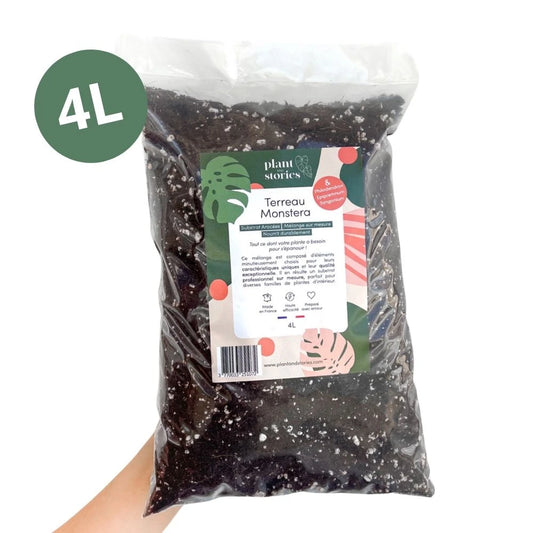
Resilience after shipping also depends on microbial life around the roots. Contrary to generic advice, we emphasize the importance of biostimulants. Roots colonized by mycorrhizae or beneficial bacteria (Bacillus) recover much faster. These microorganisms increase the surface area for absorption and help the plant take up water more efficiently, which is crucial while the root system is still delicate. This biological synergy turns a simple pot of soil into a dynamic, protective ecosystem.
Consistent humidity is the second pillar for tropical varieties. Alocasia and Anthurium use their aerial roots to absorb ambient moisture, compensating for soil uptake that may be slowed by stress. Stable humidity between 60% and 70% prevents the leaf blade from curling or tearing. To prevent fungal disease, ensure gentle air circulation. Stagnant air combined with high humidity is a breeding ground for mold on foliage that is still vulnerable.
Providing quality light with grow lights
A lack of sunlight, especially during the winter months, can bring acclimation to a halt. Using a grow light for indoor plants helps stabilize photosynthesis with a full spectrum. Set your light to a 12-hour photoperiod to mimic a natural tropical habitat. This reassures the plant by providing a predictable, consistent energy source, unaffected by the vagaries of apartment life.
Living substrate vs. mineral substrate
Your choice of growing medium directly affects how quickly roots develop. PON (mineral substrate) is an excellent option for healthy root growth, as it prevents fungus gnats and allows maximum root aeration. If you prefer an organic approach, enriched Monstera potting mix provides natural, lasting nourishment thanks to its built-in biostimulants. Keep this golden rule in mind: never repot during the first 14 days, to avoid adding stress on top of stress.

Avoiding fatal mistakes during acclimation
Excessive fussing often kills more botanical gems than neglect does. Learning how to acclimate a rare plant calls for strict discipline to resist the urge to intervene too soon. Immediate repotting is the most common mistake: it inflicts a second root trauma while the plant is still trying to stabilize its cellular respiration. Wait at least two weeks before disturbing the root ball, even if you don’t like the look of the original pot.
Applying liquid fertilizer is another classic pitfall to avoid at all costs. Roots, often covered in micro-tears from the bumps of transit, cannot absorb concentrated mineral salts without suffering irreversible chemical burns. Likewise, sudden exposure to direct sunlight after spending a long time in the darkness of a package triggers severe oxidative stress. This can bleach the foliage within a few hours, destroying the chlorophyll that is so essential for recovery.
Overwatering, prompted by fear of dehydration, is often fatal. Substrate kept waterlogged prevents oxygen from reaching the roots, encouraging anaerobic pathogens to develop and causing rot. Finally, neglecting to inspect carefully for pests can turn a small, latent infestation into a major crisis for your entire plant sanctuary. Vigilance is your best ally during this transition.
Why patience is your best tool
Your plant is currently using its internal reserves to adjust to the humidity and temperature in your home. Wait to see a small new growth tip or a new petiole unfurl before changing its environment. Keep your care routine minimal and, above all, consistent. Regularity reassures the plant and allows it to move out of survival mode and into active growth.
Watering with precision
Always check the substrate with your finger or a moisture meter before adding even a drop of water. For sensitive varieties such as Alocasia, use rainwater or filtered water to prevent chlorine and limescale from building up around delicate roots. Make sure drainage is excellent, and never leave standing water in the cachepot. If you notice anything concerning despite taking precautions, don’t wait for the situation to get worse—get in touch with us directly for advice.


Build a thriving collection with Plant & Stories expertise
Acclimation is an art that calls for the right tools as well as the right approach. At Plant & Stories, we formulate our substrates in France to meet the specific needs of the most demanding varieties. Unlike generic potting mixes from big-box stores, our blends are living substrates, enriched to support plants from the moment they arrive. This freshness ensures an airy structure and active microbial life, essential for turning your home into a true botanical refuge.
The secret to a rapid recovery often lies in what you can’t see. We include Mycorrhizae in our blends—symbiotic fungi that work with roots to triple their absorption capacity. This is a major advantage for safe shipping and an easy transition. In addition, Bacillus acts as a natural shield against soil pathogens such as Pythium and Fusarium. These biological allies let your botanical gems focus on growing rather than defending themselves.
Every member of our "Green Team" receives support that goes far beyond a simple transaction. We share your passion for velvety foliage and rare variegation. That’s why we rigorously test every product to make sure it brings real value to your care routine. Our expertise as passionate plant curators is here to help turn every new purchase into lasting success.
Products designed for discerning collectors
We offer specialized blends for Anthurium and Hoyas that reflect their natural epiphytic habitat. These ultra-draining substrates prevent root suffocation while retaining the moisture plants need. To guide your plants’ growth while they stabilize, we highly recommend using stakes and suitable supports. Our eco-conscious approach includes recycled packaging and short supply chains to minimize our environmental impact.
Join the Plant & Stories community
Becoming our customer means joining a community of enthusiasts who share their tips and successes. You’ll have access to our detailed care guides for every variety, helping you master each plant’s specific light and nutrient needs. We love seeing your botanical gems thrive, so feel free to share your acclimation successes on social media. Now that you know how to acclimate a rare plant with confidence, all that’s left is to choose your next beauty.
Browse our selection of rare plants and premium substrates to elevate your collection today.
Grow your sanctuary with confidence
You now have everything you need to know how to acclimate a rare plant and turn every unboxing into a botanical success. Remember, patience is your most valuable ally; give your botanical gems time to decompress before making any major changes. By prioritizing a stable environment and biological allies such as mycorrhizae, you’re giving your plants the best chance to thrive in their new home for years to come.
At Plant & Stories, we’re here to support you with our substrates enriched with Mycorrhizae and made in France, as well as our 30-day plant guarantee after delivery. Our customer rating of 9.9/10 reflects our passion for quality and dedication to your success. Create your urban jungle with our rare plants and living substrates, and don’t hesitate to reach out with any technical questions. Happy growing!

Laura Bruneau
Jardinière & autrice


