

Hoya compacta (Hindu rope plant): the complete care guide

It's unmistakable: Hoya compacta, nicknamed “Hindu rope,” lines its thick, curled and twisted leaves along stems that hang like plant-made ropes. This cultivar of the famous Hoya carnosa is as unusual as it is easygoing, with clusters of fragrant, waxy flowers. Here’s how to care for it, backed by sourced botanical information.
Why choose Hoya compacta?
Hoya compacta first captivates with its sculptural foliage, unique among houseplants. Add the exceptional hardiness inherited from Hoya carnosa, its tolerance for missed waterings, and its fragrant blooms: it’s a distinctive plant that asks for very little.
| Benefit | What it means day to day |
|---|---|
| Unique foliage | Leaves curled into “ropes”: a living decorative feature. |
| Very hardy | A cultivar of Hoya carnosa: sturdy and long-lived. |
| Fragrant blooms | Clusters of waxy flowers with red centers, fragrant in the evening. |
| Pet-safe | The Hoya genus is non-toxic to cats and dogs (ASPCA). |
Hoya compacta: botanical ID
Hoya compacta is a cultivar of the species Hoya carnosa (L.f.) R.Br., not a distinct species. According to Kew POWO (Plants of the World Online), Hoya carnosa is an epiphytic or lithophytic climber native to East and Southeast Asia. The cultivar ‘Compacta’, which arose through mutation and is marketed as “Hindu Rope,” owes its appearance to its very closely spaced internodes.
| Feature | Verified details |
|---|---|
| Botanical name | Hoya carnosa 'Compacta' (Apocynaceae) |
| Common names | Hindu rope, rope hoya, porcelain flower |
| Species origin | East and Southeast Asia; epiphytic |
| Growth habit | Trailing stems, 0.5 to 1 m long in a pot |
| Distinctive feature | Curled leaves and closely spaced internodes forming “ropes” |
| Growth rate | Slow: takes 5 to 10 years to reach full maturity |
📋 Quick care guide
Essential growing tips, all at a glance.
| Factor | Guideline |
|---|---|
| Light | Bright, indirect light to a little gentle sun; helps encourage flowering |
| Ideal temperature | 18 to 24 °C while growing |
| Minimum temperature | Do not let it drop below 5 °C; it cannot tolerate frost |
| Watering | Moderate; let the soil dry between waterings and keep it just moist in winter |
| Humidity | Moderate; higher air humidity is a plus |
| Potting mix | Very well-draining and airy, like an orchid mix |
| pH | Tolerant: acidic, neutral or alkaline |
| Repotting | Infrequent: it flowers better when snug in its pot and can stay there for years |
| Flowering | Spring to fall, with clusters of 10 to 30 star-shaped flowers |
| Toxicity | Non-toxic to cats and dogs (ASPCA) |
What kind of light and location does it need?
Hoya compacta needs light in order to flower. For Hoya carnosa, the Missouri Botanical Garden recommends anything from filtered full sun to partial shade, with at least half a day of bright light to trigger flowering. Indoors, place it in front of a bright window, avoiding harsh afternoon sun shining through the glass.
Watering and humidity: finding the right balance
Thanks to its thick, succulent leaves, Hoya compacta stores water and tolerates missed waterings very well. The classic mistake is overwatering. Water moderately, letting the potting mix dry out between waterings, and keep it just moist in winter, when growth slows considerably.
| Situation | What to do |
|---|---|
| Spring–summer | Water moderately; let the surface of the potting mix dry between waterings |
| Fall–winter | Keep just moist and water very sparingly |
| Foliage | Keep water from pooling in the curled leaves |
| Mistake to avoid | Heavy, waterlogged potting soil: root rot is all but guaranteed |
columns: 4
columns_mobile: 2
-
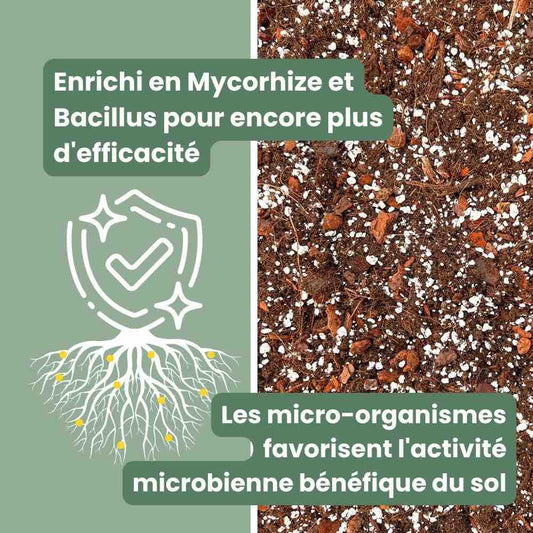
Hoya Premium Potting Soil - Enriched with Mycorrhizae and Bacillus - Made in France
Regular price 11,99 €Regular price11,99 €Sale price 11,99 € -


Hoya Fertilizer - 250ml Liquid Fertilizer - Root and Foliar Fertilizer + Free Graduated Pipette!
Regular price 18,00 €Regular price20,00 €Sale price 18,00 €Sale -
Hoya Plant Support - Arch Support for Hoya - Transparent Acrylic Plant Support - Support for Climbing Plants
Regular price From 3,95 €Regular price3,95 €Sale price From 3,95 € -
Transparent plant clips - Transparent plant support clips - Support clips - Plant support clips
Regular price From 4,00 €Regular price4,00 €Sale price From 4,00 €



Potting mix, repotting and fertilizing
Like all Hoya carnosa, Hindu rope needs an airy, well-draining potting mix and dislikes being repotted too often. In fact, it flowers better when slightly pot-bound. Light, regular feeding during the growing season encourages dense foliage and abundant blooms.
| Factor | Recommendation |
|---|---|
| Ideal mix | Bark, perlite and potting soil: light and very well-draining |
| Pot | Well-draining; don’t choose an oversized pot, as it likes to be snug |
| Repotting | Infrequently, every 3 years or more, in spring |
| Fertilizer | Balanced fertilizer, about once a month during the growing season |
| Dormancy | No fertilizer in fall or winter |
How to take cuttings and propagate Hoya compacta
Because Hoya compacta grows slowly, propagating it from cuttings takes patience: expect it to take longer to get going than a typical Hoya cutting. The method is simple: in spring or summer, take a section of stem with at least 2 nodes (the small bumps where leaves and roots emerge) and one or two leaves. Let the cut end dry for 2 to 3 hours, then place the cutting in water, damp sphagnum moss or a very well-draining potting mix, at 20–25 °C in indirect light. Roots should appear in 3 to 6 weeks. One key point, true for all porcelain flowers: a leaf by itself, without a node, will never produce a new plant, because the node contains the meristem. Once the roots are 2 to 3 cm long, carefully pot up the young cutting in a well-draining mix and keep it in gentle light, avoiding overwatering while it settles in and grows its first new leaves. Find every step, including water and potting mix methods, in our complete guide to propagating Hoya.
Flowering: colors, fragrance and what triggers it
From spring to fall, Hoya compacta produces rounded clusters of star-shaped, waxy flowers, pinkish white with red centers and especially fragrant in the evening. According to the Hoya carnosa Wikipedia page, the flowers bloom each year from the same spurs, so never cut them off after flowering. The plant may also produce sweet nectar that beads on the flowers.
📅 Seasonal care calendar
| Season | Key task |
|---|---|
| 🌸 Spring | Growth resumes: move it back into the light and restart moderate watering and fertilizing. |
| ☀️ Summer | Growth and flowering: bright light, spaced-out watering, and don’t move the buds. |
| 🍂 Fall | Flowering ends: reduce watering, stop fertilizing and don’t cut the spurs. |
| ❄️ Winter | Rest in dry conditions, protected from frost (> 5 °C): water minimally. |
Common mistakes and how to fix them
Hoya compacta is hardy, but its distinctive foliage can create a few specific pitfalls. Here’s what to do.
| Symptom | Likely cause | Solution |
|---|---|---|
| Soft, yellow leaves | Overwatering and rotting roots | Let it dry out and repot in a well-draining mix |
| Wrinkled leaves | Prolonged thirst or damaged roots | Rehydrate gradually and check the roots |
| Rot in the center | Water pooling in the curled leaves | Water at the base, improve airflow and provide more light |
| No flowers | Insufficient light or cut spurs | Give it more light and never cut the spurs |


Keeping Hoya compacta healthy: pests and prevention
Hoya compacta’s curled leaves trap dust and moisture: clean them gently and never let water pool in them. Its main enemy is mealybugs or scale insects, especially when the air is dry. Check the undersides of leaves and the stem joints; at the first sign of white, cottony clusters, isolate the plant and dab the affected areas with a cotton swab soaked in 70% alcohol, once a week for 3 weeks. Adequate humidity also deters spider mites, which are common in hot, dry air. Remember to quarantine any new plant for a few days before placing it near your other Hoyas, to avoid introducing pests to your collection. The best defense is prevention: a plant that gets good light, is watered properly and isn’t overfertilized will be much more resilient. Don’t leave water standing in the saucer, as this can lead to root diseases.
Is Hoya compacta toxic to pets?
Hoya compacta, a cultivar of Hoya carnosa, is listed as non-toxic to cats and dogs by the ASPCA (under “Wax Plant”). You can therefore display it in a hanging planter or on a shelf without worrying about your pets—a further advantage of an already highly decorative plant.
Where to place it and how to show it off
Hindu rope looks striking in a hanging planter, where its twisted stems cascade like real plant-made ropes; a slightly tall pot or a macramé hanger beautifully highlights this sculptural foliage, unique among houseplants. Group several porcelain flowers with contrasting foliage: they’ll enjoy a more humid environment and create an impressive plant collection display. Repot it only every 2 to 3 years and gently clean its leaves from time to time: in the right spot, this plant needs very little attention throughout the year. To expand your selection and find varieties that suit you, explore our full Hoya collection.
Our expert tips for growing it successfully
Hoya compacta is an easy-care collector’s plant: light, careful watering, a well-draining mix and a little patience are all you need to enjoy its sculptural foliage and fragrant flowers for years.
It grows slowly, so don’t worry if your Hindu rope seems to “do nothing” for months. That’s normal. Resist the urge to repot it or load it up with fertilizer to spur it on: it actually flowers better when left alone, slightly pot-bound and in good light.

Laura Bruneau
Jardinière & autrice


