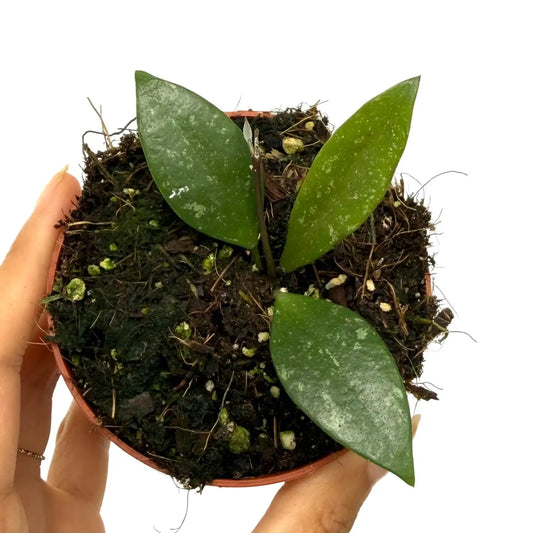
Getting a Hoya to Bloom: Why It Won’t Flower (and How to Fix It)

A Hoya that won’t bloom is almost always missing three things: enough light, a little maturity, and intact flower spurs. The wax plant (Hoya, family Apocynaceae according to Kew POWO (Plants of the World Online)) blooms from short spurs called peduncles, which flower again year after year. If you cut them off, you eliminate future blooms. The good news is that getting a Hoya to flower is no mystery once you understand these three factors. Most plants that “refuse” to bloom are actually perfectly healthy; they simply lack the right conditions to trigger flowering. Here’s how to get your indoor Hoyas to bloom and keep them flowering, step by step, with guidance verified by leading botanical gardens.
Why your Hoya isn’t flowering: common causes
In the vast majority of cases, a lack of flowers is due to insufficient light or a plant that is still too young. Less often, it’s caused by an unfortunate mistake, such as cutting off the peduncles, or by a pot that’s too large, which encourages the plant to grow roots rather than flowers. Here are the most common causes and the corresponding corrective action, laid out as a diagnostic checklist.
| Common cause | What to do |
|---|---|
| Insufficient light | Move the plant closer to a bright window, out of harsh direct sunlight |
| Plant is too young | Be patient: flowering often begins at around 2 to 3 years |
| Peduncles have been cut off | Never remove dried flower spurs again |
| Pot is too large; repotting too often | Keep the roots slightly snug in their pot |
| Too much nitrogen fertilizer | Switch to a lower-nitrogen fertilizer with more potassium |
| No winter rest period | Give it a cooler, drier winter at around 10 to 15 °C |
Light: the first trigger for flowering
Light is the number-one factor: without bright light, a Hoya will stay green but won’t flower. The RHS (Royal Horticultural Society) recommends a bright spot sheltered from the harsh summer sun. Aim for 4 to 6 hours of bright, filtered light per day. Insufficient light is by far the most common reason indoor Hoyas fail to flower, well ahead of watering or fertilizer. If your room is too dim in winter, a grow light can effectively make up for the lack of natural light.
| Location | Effect on flowering |
|---|---|
| East- or west-facing window | Ideal: bright, filtered light and regular flowering |
| South-facing window with sheer curtains | Excellent, with sheer curtains to prevent leaf scorch |
| North-facing window | Slow growth and rare flowering |
| Far from any window | Add a grow light for 10 to 12 hours a day |
Never cut the peduncles: the golden rule
This is the most common and costly mistake. Hoyas flower on perennial peduncles: the Missouri Botanical Garden notes that these flower stalks should not be removed, because new flowers form in the same spot each year. The RHS confirms the same rule: leaving the stalks in place allows more flowers to grow from old spurs. So never prune them, even after the flowers have faded and the stalk has turned dry and gray. A peduncle is a short, slightly woody stem that once held the flower umbel; it stays on the plant and may look dead, but it holds the potential for flowers in years to come. This is also why it’s best to avoid taking cuttings from or tidying up a stem bearing peduncles. If you need to prune for shape, trim the ends of overlong vines instead—never the flower spurs.
Maturity, a snug pot, and a winter rest
A Hoya flowers when it is mature, well rooted, and slightly pot-bound. A plant that is repotted too often, or placed in a container that is much too large, spends its energy colonizing the potting mix instead of flowering. A little root stress, on the other hand, encourages it to reproduce—that is, to flower. A genuine winter rest, cooler and drier, also matters: it mimics the dry season in the plant’s native regions and prepares it for a flush of flowers in spring. The three adjustments below can significantly encourage flowering.
| Factor | Setting that encourages flowering |
|---|---|
| Plant age | At least 2 to 3 years old, with well-developed stems |
| Pot size | Roots slightly snug rather than in an oversized pot |
| Repotting frequency | Only every 2 to 3 years |
| Winter rest | 6 to 8 weeks in cooler, drier conditions |
Watering and fertilizer to support flowering
Measured watering and the right fertilizer support flowering without exhausting the plant. During active growth, keep the potting mix moist but never waterlogged, and feed every 2 weeks. A fertilizer formulated for Hoyas, lower in nitrogen and richer in potassium, helps shift growth from foliage to flowers.
| Period | Watering and fertilizer |
|---|---|
| Spring and summer | Keep the potting mix moist; fertilize every 2 weeks |
| Fall | Water less often and reduce fertilizer to once a month |
| Winter | Let the potting mix dry out more and stop fertilizing |
| Once buds have formed | Don’t move the plant, and keep watering regularly |
What Hoya flowers look and smell like
Hoya flowers open in spherical umbels of waxy stars, often fragrant in the evening. Each umbel contains dozens of tiny five-pointed star-shaped flowers, arranged with an almost artificial regularity—hence the nickname “wax flower.” The color, fragrance, and size of the umbels vary widely from one variety to another: some fill an entire room with fragrance as evening falls, while others are more subtle. This table will give you an idea of what to expect once flowering begins.
| Characteristic | Details | Good to know |
|---|---|---|
| Color | White, pink, red, or yellow, depending on the variety | Often has a contrasting center |
| Fragrance | Notes of chocolate, vanilla, or honey | Stronger in the evening and at night |
| Duration | 1 to 3 weeks per umbel | Sticky nectar may bead on the flowers |
| Frequency | Several flushes a year | Always from the same peduncle |
Our most floriferous Hoyas to add to your collection
Some varieties flower more readily and at a younger age indoors: Hoya carnosa Compacta and carnosa varieties in general are among the most generous bloomers. Explore our selection of floriferous Hoyas below.
columns: 4
columns_mobile: 2
-
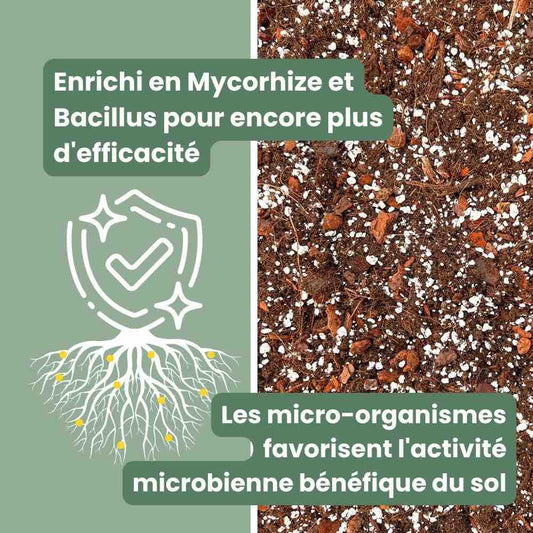
Hoya Premium Potting Soil - Enriched with Mycorrhizae and Bacillus - Made in France
Regular price 11,99 €Regular price11,99 €Sale price 11,99 € -


Hoya Fertilizer - 250ml Liquid Fertilizer - Root and Foliar Fertilizer + Free Graduated Pipette!
Regular price 18,00 €Regular price20,00 €Sale price 18,00 €Sale -
Hoya Plant Support - Arch Support for Hoya - Transparent Acrylic Plant Support - Support for Climbing Plants
Regular price From 3,95 €Regular price3,95 €Sale price From 3,95 € -
Transparent plant clips - Transparent plant support clips - Support clips - Plant support clips
Regular price From 4,00 €Regular price4,00 €Sale price From 4,00 €



Of the more than 100 varieties we grow, the ones that flower earliest and most reliably for us are still Hoya carnosa and its cultivars (Compacta, Krimson). My advice: start with one of these, give it the brightest window in your home, and above all, don’t touch the peduncles. The wait through the second year is almost always rewarded.
The flowering calendar, season by season
Flowering follows an annual rhythm: encourage growth in spring and summer, then let the plant rest in winter to prepare for the next season.
📅 Seasonal care calendar
| Season | Key task |
|---|---|
| 🌸 Spring | Growth resumes: increase light and watering, fertilize every 2 weeks |
| ☀️ Summer | Peak flowering: bright light, humidity of 40 to 60%, don’t move plants with buds |
| 🍂 Fall | Slow down: water less often, fertilize once a month, leave peduncles in place |
| ❄️ Winter | Let the plant rest in cool (10 to 15 °C), dry conditions to trigger the next flowering |
Wax flowers at a glance
Here are the essential growing guidelines for getting your Hoya to flower and keeping it thriving.
📋 Quick care guide (indoors)
Wax plant flowering guidelines at a glance.
| Parameter | Guideline |
|---|---|
| Light | Bright, indirect; 4 to 6 hours of light per day |
| Temperature | 16 to 24 °C during growth, minimum 10 °C in winter |
| Age at flowering | 2 to 3 years, on a mature stem |
| Key trigger | Plenty of light and intact peduncles |
| Watering | Let the potting mix dry out 2 to 3 cm between waterings |
| Humidity | 40 to 60% humidity |
| Fertilizer | Every 2 weeks in spring and summer |
| Peduncles | Never cut them: flowers return on the same spur |
| Fragrance | Often nocturnal, more intense in the evening |
| Toxicity | Non-toxic to cats and dogs (ASPCA) |
Build your wax plant collection
Growing several varieties lets you spread flowering across almost the whole year and enjoy a wider range of fragrances. Each species has its own flowering calendar and flower color: combine several and you’ll almost always have an open umbel somewhere in the house. For more on general care, watering, and repotting, also see our complete Hoya guide, our comparison to help you choose the right variety, and our advice on taking Hoya cuttings. Then browse our full collection of wax plants to put yours together.


Laura Bruneau
Jardinière & autrice