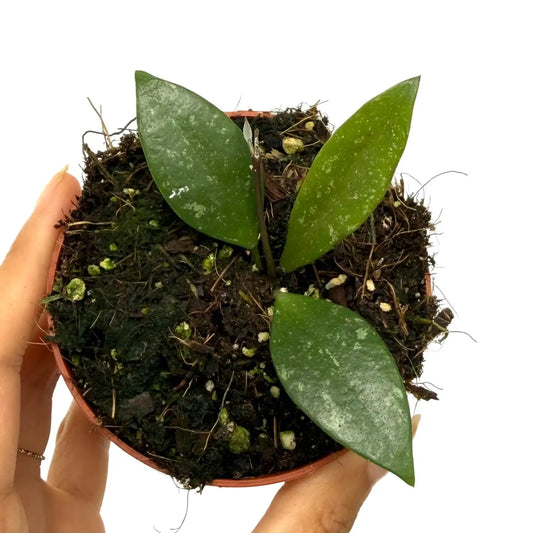
Hoya Kerrii: A Care Guide for the Heart-Shaped Plant

Instantly recognizable by its thick, heart-shaped leaves, Hoya kerrii is THE plant that symbolizes love, often given as a Valentine’s Day gift. Behind its nickname, “sweetheart plant,” is a hardy, non-toxic epiphytic succulent that flowers surprisingly well once mature. Here, with cultivation advice backed by sources, we explain how to keep it looking beautiful for years—and, above all, reveal the truth about the famous single heart-shaped leaf sold on its own.
Why choose Hoya kerrii?
Hoya kerrii has all the reassuring qualities: striking, almost indestructible foliage; tolerance for missed waterings thanks to its semi-succulent leaves; fragrant blooms; and complete safety for pets. It makes a bold decorative statement while requiring very little care.
| Benefit | What it means day to day |
|---|---|
| Meaningful symbol | Thick, heart-shaped leaves make it the perfect plant gift for Valentine’s Day or a declaration of love. |
| Hardy | Fleshy leaves store water, so it can forgive a missed watering. |
| Pet-safe | The Hoya genus is classified as non-toxic to cats and dogs by the ASPCA. |
| Rewarding blooms | Clusters of waxy flowers release their fragrance in the evening on mature plants. |
Hoya kerrii botanical profile
According to Kew POWO (Plants of the World Online), Hoya kerrii Craib is an epiphytic or lithophytic vine in the Apocynaceae family, native to Southeast Asia (Cambodia, Laos, Thailand, Vietnam, Malaysia, and Java). In the wild, it can climb up to 4 m; indoors in a pot, it stays much more compact.
| Feature | Verified details |
|---|---|
| Botanical name | Hoya kerrii Craib (Apocynaceae, formerly Asclepiadaceae) |
| Common names | Sweetheart plant, heart plant, porcelain flower |
| Native range | Mainland Southeast Asia and Java, growing as an epiphyte |
| Growth habit | Climbing vine reaching up to 4 m in the wild, 0.5 to 1 m in a pot |
| Leaf | Heart-shaped and fleshy, up to 6 cm wide and about 5 mm thick |
| Growth rate | Slow: takes 5 to 10 years to reach full maturity |
📋 Quick care guide
Essential growing tips, all in one place.
| Factor | Guideline |
|---|---|
| Light | Bright, indirect light; can tolerate a little gentle morning sun |
| Ideal temperature | 15 to 29 °C year-round |
| Minimum temperature | Do not let it drop below 10 °C |
| Watering | Every 10 to 14 days during the growing season, when the top 3 cm are dry |
| Humidity | Average household humidity is sufficient; it appreciates 50% or higher |
| Potting mix | Very free-draining, such as a mix for orchids and epiphytes |
| pH | Adaptable: acidic, neutral, or alkaline |
| Repotting | Every 2 to 3 years, moving up just one pot size |
| Flowering | In summer, clusters about 5 cm across, with up to 25 flowers |
| Toxicity | Non-toxic to cats and dogs (ASPCA) |
What light and location does it need?
Place Hoya kerrii in front of a bright window facing east, or slightly back from a south-facing window. According to the RHS (Royal Horticultural Society), it prefers bright, indirect light: the harsh afternoon sun can scorch its leaves, while a dark corner will bring its already slow growth to a complete halt. The variegated form (variegata) needs even more light, as its cream-colored areas contain less chlorophyll.
Watering and humidity: finding the right balance
With this plant, restraint is everything. Its semi-succulent leaves store water, so overwatering—and the root rot it causes—is the leading cause of death. Let the top 3 cm of potting mix dry out between waterings, water thoroughly, then empty the saucer, and cut back significantly in winter.
| Situation | What to do |
|---|---|
| Spring–summer | Water every 10 to 14 days, letting the mix become almost dry between waterings |
| Fall–winter | Cut back significantly: watering about every 3 weeks is enough |
| Sign of thirst | Leaves slightly soft or wrinkled: water the plant |
| Mistake to avoid | Leaving water in the saucer: waterlogged roots and yellow leaves |
columns: 4
columns_mobile: 2
-
Hoya Premium Potting Soil - Enriched with Mycorrhizae and Bacillus - Made in France
Regular price 11,99 €Regular price11,99 €Sale price 11,99 € -


Hoya Fertilizer - 250ml Liquid Fertilizer - Root and Foliar Fertilizer + Free Graduated Pipette!
Regular price 18,00 €Regular price20,00 €Sale price 18,00 €Sale -
Hoya Plant Support - Arch Support for Hoya - Transparent Acrylic Plant Support - Support for Climbing Plants
Regular price From 3,95 €Regular price3,95 €Sale price From 3,95 € -
Transparent plant clips - Transparent plant support clips - Support clips - Plant support clips
Regular price From 4,00 €Regular price4,00 €Sale price From 4,00 €



Potting mix, repotting, and fertilizing
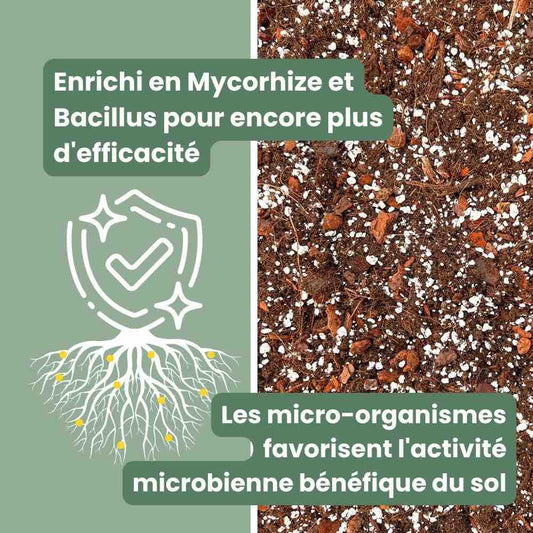
Hoya kerrii grows as an epiphyte: its roots need air. Regular potting soil that stays waterlogged will suffocate them. Give it a very airy, free-draining mix, a pot just the right size (it flowers better when slightly snug), and light feeding only during the growing season.
| Factor | Recommendation |
|---|---|
| Ideal mix | Pine bark, perlite, and a little potting soil: light and free-draining |
| Pot | Barely larger than the root ball, with drainage holes |
| Repotting | Every 2 to 3 years in spring, moving up one pot size |
| Fertilizer | Every 2 to 4 weeks from spring through summer, diluted to half strength |
| Dormant period | Do not fertilize in fall or winter |
How to take and grow Hoya kerrii cuttings
With Hoya kerrii, beware of the heart-shaped leaf sold on its own: always choose a cutting that includes a piece of stem. The method is simple: in spring or summer, take a stem cutting with at least 2 nodes (the small bumps from which leaves and roots grow) and one or two leaves. Let the cut end dry for 2 to 3 hours, then place the cutting in water, damp sphagnum moss, or a very free-draining mix, at 20–25 °C in indirect light; roots should appear in 3 to 6 weeks. Crucially, and this applies to all porcelain flowers, a single leaf without a node will never grow into a new plant, because the meristem is located at the node. Once the roots reach 2 to 3 cm, carefully pot the young cutting in a free-draining mix and keep it in gentle light, avoiding overwatering as it settles in and produces its first new leaves. Find every step—from water propagation to potting mix—in our complete guide to propagating Hoyas.
Flowering: colors, fragrance, and what triggers it
Patience is key: Hoya kerrii usually starts flowering at 2 to 3 years old, in summer, producing clusters of around 20 waxy, white flowers with red-purple centers that release their fragrance at night. Information from the Missouri Botanical Garden on the Hoya genus is clear: light is key to flowering, and you should never cut off the flower stalk (spur) after blooming, because future flowers will grow from it.
📅 Seasonal care calendar
| Season | Key task |
|---|---|
| 🌸 Spring | Growth resumes: start watering again and apply the first diluted fertilizer. |
| ☀️ Summer | Peak growth and flowering: provide bright light, water regularly, and don’t disturb the buds. |
| 🍂 Fall | Growth slows: space out waterings and stop fertilizing. |
| ❄️ Winter | Give it a cool (but > 10 °C), dry rest, with very infrequent watering. |
Common mistakes and how to fix them
Most problems come from being a little too enthusiastic. Here are the most common symptoms and how to correct them, from most to least common.
| Symptom | Likely cause | Solution |
|---|---|---|
| Yellow, soft leaves | Too much water, suffocated roots | Let the mix dry, make it airier, and check drainage |
| Shriveled, wrinkled leaves | Prolonged underwatering or damaged roots | Rehydrate gradually and check the roots |
| No growth | Not enough light | Move it closer to a bright window with indirect light |
| No flowers | Plant is too young or light levels are too low | Be patient, increase the light, and don’t cut off the spurs |


Keeping Hoya kerrii healthy: pests and prevention
Hoya kerrii’s thick, waxy leaves can be cleaned with a soft cloth, giving you a chance to spot any unwelcome visitors early. Its main pest is mealybug or scale, especially when the air is dry. Check the undersides of the leaves and the stem joints: if you spot white, cottony clusters, isolate the plant and dab the affected areas with a cotton ball dipped in 70% alcohol, once a week for 3 weeks. Keeping humidity at a suitable level also discourages spider mites, which are common in hot, dry air. It’s also a good idea to quarantine any new plant for a few days before placing it near your other Hoyas, to avoid introducing pests to your collection. The best defense is prevention: a plant that gets plenty of light, is watered correctly, and isn’t overfertilized will be much more resilient. Don’t let water sit in the saucer, as this can lead to root disease.
Is Hoya kerrii toxic to pets?
Good news for households with pets: the Hoya genus is listed as non-toxic to cats and dogs by the ASPCA (the “Sweetheart Hoya” entry refers to Hoya kerrii and lists it as safe for dogs, cats, and horses). That makes it a great gift choice: a heart-shaped plant you can give without worry to a household with a curious cat.
Where to place it and how to show it off
Hoya kerrii does well on a bright windowsill or trained around a small hoop that it will slowly climb, and its heart-shaped leaf makes it a gift that can stand on its own or be paired with other porcelain flowers to create a collection corner full of meaning. Group several porcelain flowers with contrasting foliage: they’ll enjoy the more humid environment and create a striking display. You’ll only need to repot every 2 to 3 years and occasionally give the leaves a gentle clean: in the right spot, this plant needs very little attention throughout the year. To expand your collection and find varieties that suit your style, explore our full Hoya collection.
Our expert tips for growing it successfully
Hoya kerrii is a plant that asks for commitment: very little care, plenty of symbolism, and the reward of beautiful blooms for those who know how to wait. The keys are simple: light and restraint with watering.
Watch out for the trap of the single heart-shaped leaf sold on its own: an isolated leaf, without a piece of stem bearing a node, can live for years but will never produce new growth because it lacks a meristem. If you want a plant that will really grow, always choose a rooted plant with a stem and several leaves—not a single leaf planted in a small pot.

Laura Bruneau
Jardinière & autrice