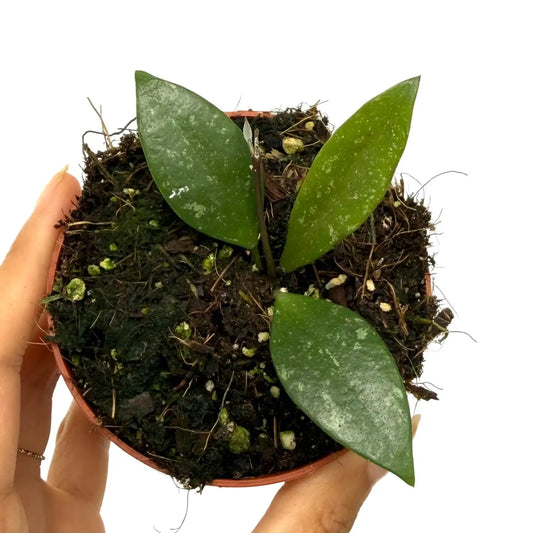
Hoya: Yellow, Soft Leaves, Common Problems (and Toxicity)

For Hoya, yellow leaves almost always signal overwatering, while limp or wrinkled leaves point to underwatering or damaged roots. Most problems with the wax plant can be solved by adjusting watering, light and drainage. Hoya is actually a hardy plant: nearly all its problems stem from watering, and only rarely from disease. Learning to read its leaves makes it possible to correct issues quickly, before the plant suffers lasting damage. And good news for pet owners: according to the ASPCA, Hoya is non-toxic to cats and dogs. Here’s how to diagnose and fix each common problem, followed by everything you need to know about its toxicity.
Yellow leaves: causes and solutions
A yellow leaf is the most common symptom, and overwatering is the leading cause. Before taking action, take a closer look: the color, how quickly it appeared and the moisture level of the potting mix can help you identify the cause. Widespread, rapid yellowing in waterlogged soil points to overwatering; one or two lower leaves that turn yellow slowly, by contrast, are simply a sign of normal aging and nothing to worry about. Never cut off a leaf that is still green, even if it is spotted: the plant draws on its reserves until the leaf is completely dry.
| Cause | Typical sign | Solution |
|---|---|---|
| Overwatering | Widespread yellowing, waterlogged potting mix | Water less often and check drainage |
| Insufficient light | Slow yellowing, leggy stems | Move the plant closer to a bright window |
| Cold or drafts | Sudden yellowing after a cold snap | Move it away from cold windows and temperatures below 10°C |
| Natural aging | Only 1 or 2 lower leaves | Nothing to do: let them drop off |
Limp or wrinkled leaves: too dry or root rot?
Limp leaves can paradoxically result from either underwatering or overwatering. The key is to check the potting mix and roots: dry mix and wrinkled leaves mean the plant is thirsty; damp mix and limp leaves point to rot. This double-sided symptom confuses many beginners, who water more when the plant is already waterlogged. The best approach is to feel deep into the potting mix and, if in doubt, unpot the plant to inspect its roots: firm, pale roots are healthy, while brown, soft roots indicate rot that needs immediate attention. After emergency repotting, wait 24 to 48 hours before watering for the first time, to let the cuts callus over.
| Cause | Typical sign | Solution |
|---|---|---|
| Potting mix too dry | Wrinkled, pliable leaves; dry soil | Water the plant, soak the pot for 10 minutes, then let it drain |
| Root rot | Limp leaves while the soil is damp | Unpot the plant, cut off black roots and repot in dry mix |
| Temperature shock | Limp leaves after moving the plant | Keep the temperature and light levels stable |
Falling leaves, spots and brown edges
Sudden leaf drop, spots or dry edges often result from brief periods of stress: drafts, scorching sun or air that is too dry. Identify the trigger so you can address the underlying cause rather than just the symptom. Unlike yellowing, which is often linked to watering, these symptoms mostly reflect the plant’s immediate surroundings: its location, light and ambient air. A Hoya placed right above a radiator or against a scorching windowpane will react quickly; sometimes moving it just a few inches is enough to solve the problem.
| Symptom | What to do |
|---|---|
| Sudden leaf drop | Check for cold, drafts and watering issues |
| Dry brown spots | Reduce direct sun exposure |
| Soft, dark spots | Water less and improve airflow |
| Brown leaf edges | Increase humidity to around 40–60% |
Hoya pests and how to treat them
Hoya is not very susceptible to disease, but a few pests are drawn to it, especially mealybugs. Regularly checking beneath the leaves and around the buds makes it easy to spot them early and treat them. Hoya’s thick, waxy leaves give mealybugs perfect hiding places in the leaf axils and along the stems. If caught early, they can be dealt with in minutes; left unchecked, they weaken the plant and coat its foliage in sticky honeydew. Repeat the treatment once a week for 3 weeks to eliminate successive generations.
| Pest | Sign | Treatment |
|---|---|---|
| Mealybugs | White, cottony clusters in leaf axils | Dab with alcohol-soaked cotton, then apply insecticidal soap |
| Aphids | Small insects on new growth and buds | |
| Spider mites | Fine webs and air that is too dry | Increase humidity and rinse the foliage |
| Scale insects | Small brown bumps on the stems | Scrape them off and apply horticultural oil |
Preventing problems: watering and potting mix
Most Hoya problems can be prevented with careful watering and a well-draining potting mix. Letting the surface dry between waterings and using a pot with good drainage prevents overwatering and root rot, the main causes of yellow leaves. It’s better for a Hoya to be a little too dry than waterlogged: this thick-leaved plant stores water and tolerates being forgotten far better than being overwatered. Make an airy mix with bark and perlite, as explained in our Hoya potting mix guide, and most problems will disappear on their own.
| Good practice | Benefit |
|---|---|
| Let 2 to 3 cm of mix dry out between waterings | Prevents overwatering and root rot |
| Use a pot with drainage holes and well-draining mix | Healthy, well-aerated roots |
| Bright, filtered light for 4 to 6 hours a day | Firm, colorful and resilient foliage |
| Inspect the foliage monthly | Detects pests before an infestation takes hold |
columns: 4
columns_mobile: 2
-
Hoya Premium Potting Soil - Enriched with Mycorrhizae and Bacillus - Made in France
Regular price 11,99 €Regular price11,99 €Sale price 11,99 € -


Hoya Fertilizer - 250ml Liquid Fertilizer - Root and Foliar Fertilizer + Free Graduated Pipette!
Regular price 18,00 €Regular price20,00 €Sale price 18,00 €Sale -
Hoya Plant Support - Arch Support for Hoya - Transparent Acrylic Plant Support - Support for Climbing Plants
Regular price From 3,95 €Regular price3,95 €Sale price From 3,95 € -
Transparent plant clips - Transparent plant support clips - Support clips - Plant support clips
Regular price From 4,00 €Regular price4,00 €Sale price From 4,00 €



Is Hoya toxic? Pet-friendly, but watch the sap
No, Hoya is not toxic: the ASPCA lists the wax plant as non-toxic to cats and dogs, a rare advantage for an indoor plant. There is one thing to keep in mind, however: the milky sap can irritate the skin, so the RHS (Royal Horticultural Society) recommends wearing gloves when pruning or propagating. The Missouri Botanical Garden also reports no toxicity if the plant is ingested.
I’m often asked whether Hoya is dangerous for cats: the answer is no, and that’s one of the reasons I recommend it for homes with pets. The only precaution I take, after years of handling it, is to put on gloves when pruning: the sap is sticky and can irritate sensitive skin. Nothing serious, but it’s best to avoid it.
Seasonal care checklist
Keeping an eye on your plant throughout the seasons prevents most unpleasant surprises and helps you anticipate periods of risk. Here are the things to watch for month by month to keep your Hoya healthy all year round.
📅 Seasonal care calendar
| Season | Key task |
|---|---|
| 🌸 Spring | New growth: check under the leaves, repot if needed and gradually resume watering |
| ☀️ Summer | Heat: watch for mealybugs and spider mites, and maintain humidity at 40–60% |
| 🍂 Fall | Transition: gradually reduce watering to prevent yellow leaves |
| ❄️ Winter | Dormancy: water sparingly, keep away from cold windows below 10°C and drying radiators |
Quick visual diagnosis
Here’s a summary of the most common symptoms and their likely causes, to keep handy so you can respond quickly and calmly at the first sign of trouble.
📋 Quick reference (Hoya diagnosis)
The most common symptoms of the wax plant and their causes, at a glance.
| Symptom or indicator | Most likely cause |
|---|---|
| Yellow leaves | Usually overwatering |
| Limp or wrinkled leaves | Too dry or damaged roots |
| Brown spots | Sunburn or overwatering |
| Falling leaves | Cold, drafts or shock |
| Mealybugs | White, cottony clusters under the leaves |
| Aphids | On new growth and flower buds |
| Watering | Let the potting mix dry out 2 to 3 cm deep |
| Potting mix | Well-draining, never waterlogged |
| Toxicity | Non-toxic to cats and dogs (ASPCA) |
| Sap | Milky and irritating to the skin (RHS) |
Healthy Hoyas for every home
With proper care, a Hoya can stay healthy for years and is non-toxic to your pets. Most problems come down to three simple habits: water less often but thoroughly, provide bright filtered light and inspect the foliage every month. With these routines, the wax plant becomes one of the easiest and most rewarding houseplants to grow. To prevent problems before they arise, consult our Hoya care guide and our complete guide; also discover how to get a Hoya to bloom and propagate it, then browse our hardy varieties below.


Laura Bruneau
Jardinière & autrice