


-
Kiwi 'Weiki' (Actinidia) - self-fertile climbing kiwi - 15 cm pot - Height 50 cm
Regular price 44,95 €Regular price -

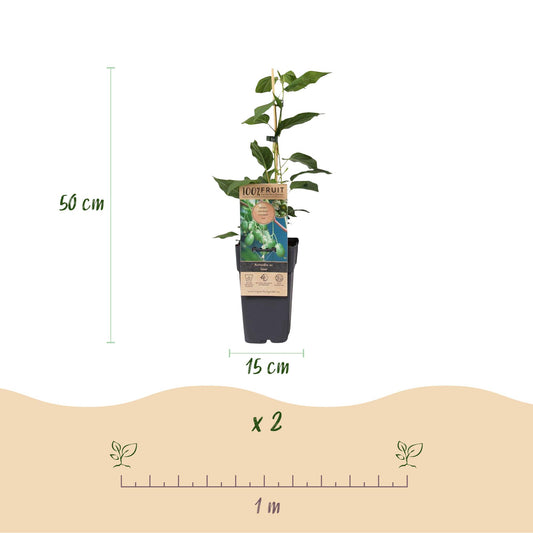
Kiwi 'Issai' (Actinidia arguta) - self-fertile kiwaï - 15 cm pot - Height 50 cm - Pack of 2
Regular price 54,95 €Regular price -

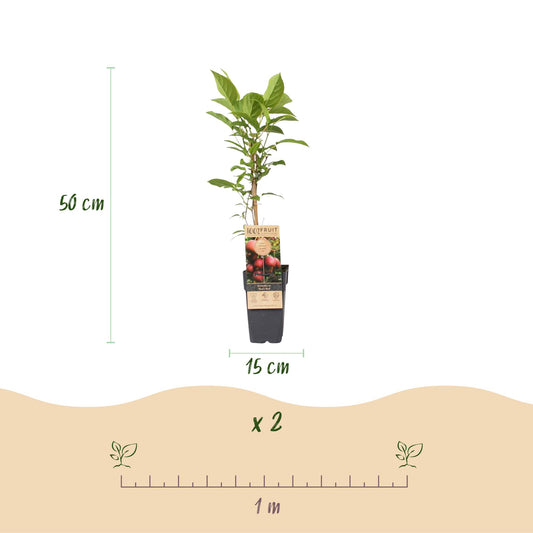
Kiwi 'Ken's Red' (Actinidia) - climbing fruit plant - 15 cm pot - Height 50 cm - Pack of 2
Regular price 54,95 €Regular price -

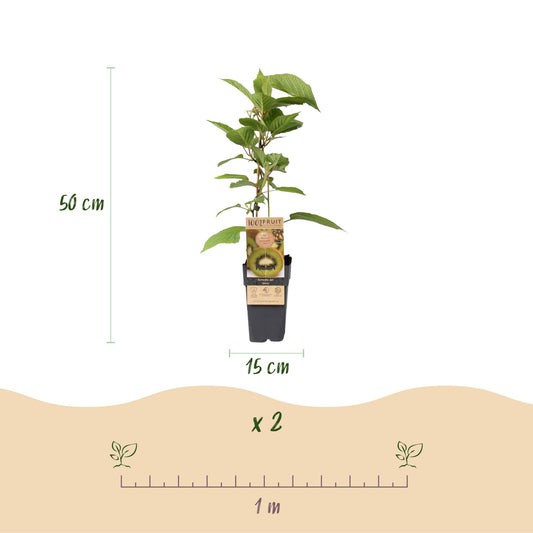
Kiwi 'Jenny' (Actinidia) - climbing fruit tree - 15 cm pot - Height 50 cm - Set of 2
Regular price 59,95 €Regular price -

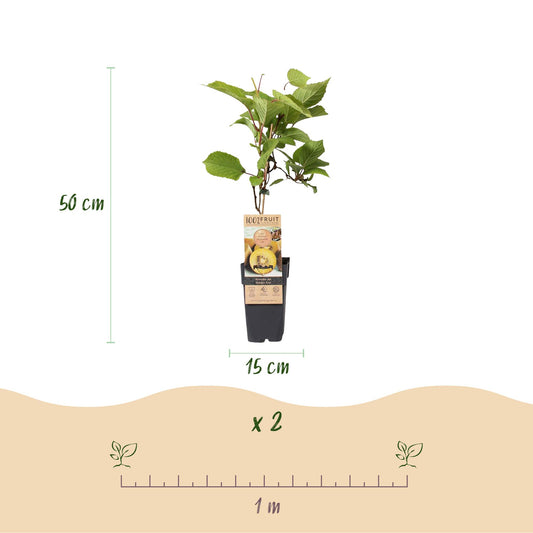
Kiwi 'Jenny Doré' (Actinidia) - climbing fruit tree - 15 cm pot - Height 50 cm - Set of 2
Regular price 59,95 €Regular price -

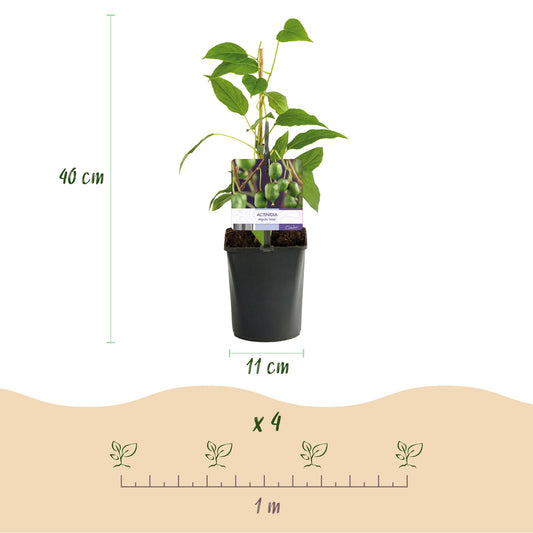
Kiwi 'Issai' (Actinidia) - climbing fruit tree - 11 cm pot - Height 40 cm - Set of 2
Regular price 54,95 €Regular price -

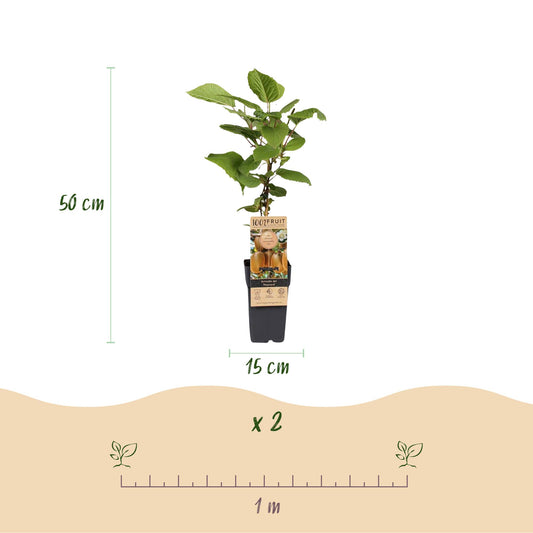
Kiwi 'Hayward' (Actinidia) - climbing fruit plant - 15 cm pot - Height 50 cm - Set of 2
Regular price 54,95 €Regular price -

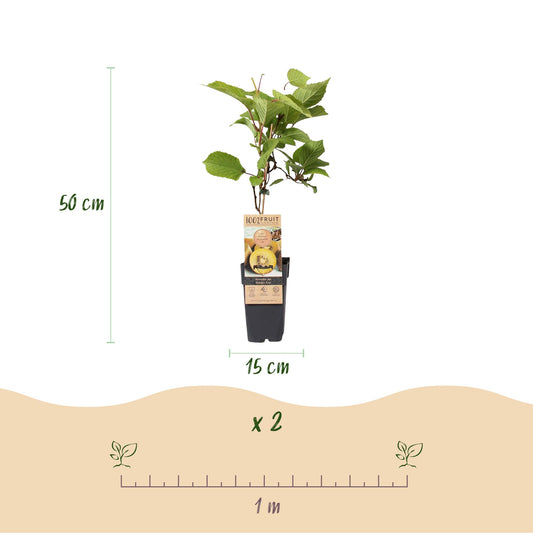
Kiwi 'Golden' (Actinidia) - climbing fruit tree - 15 cm pot - Height 50 cm - Set of 2
Regular price 59,95 €Regular price -
Kiwi duo (Actinidia) - duo for cross-pollination - 15 cm pot - Height 50 cm
Regular price 79,95 €Regular price -

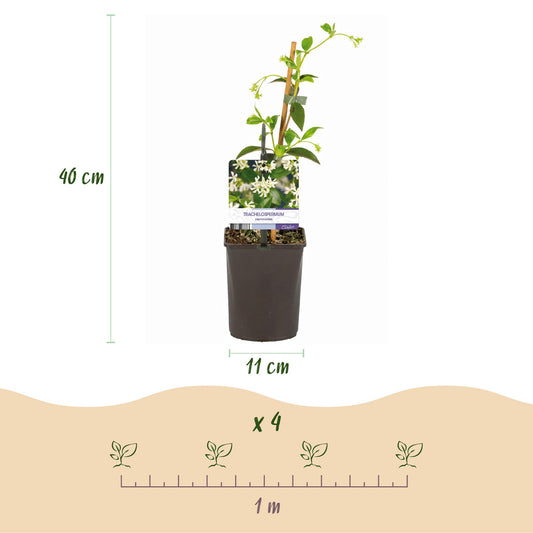
Star Jasmine (Trachelospermum jasminoides) - fragrant evergreen climber - 9 cm pot - Height 35 cm - Pack of 2
Regular price 39,95 €Regular price -

 Livraison offerte
Pink wisteria 'Rosea' (Wisteria sinensis) - fragrant Chinese wisteria
Regular price From 49,95 €Regular price -

 Livraison offerte
Chinese Wisteria 'Prolific' (Wisteria sinensis) - fragrant blue wisteria
Regular price From 49,95 €Regular price -

 Livraison offerte
Chinese wisteria in a mix of blue, white, and pink (Wisteria sinensis)
Regular price From 79,95 €Regular price -

 Livraison offerte
White wisteria 'Alba' (Wisteria sinensis) - fragrant Chinese wisteria
Regular price From 49,95 €Regular price -

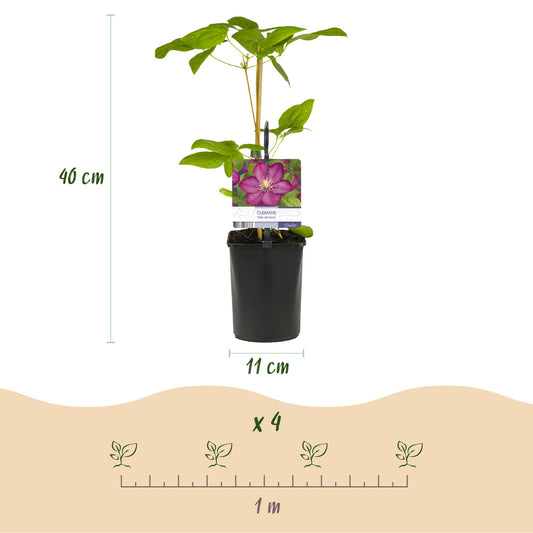
Clematis 'Ville de Lyon' (Clematis) - flowering climber - 11 cm pot - Height 40 cm - Pack of 2
Regular price 44,95 €Regular price -

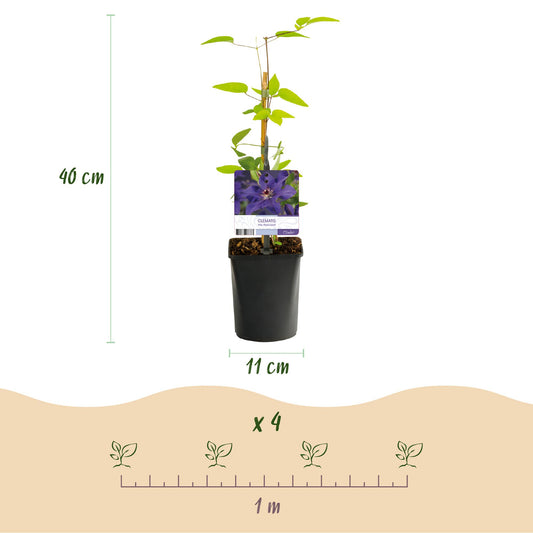
Clematis 'The President' (Clematis) - flowering climber - 9 cm pot - Height 35 cm - Set of 2
Regular price 44,95 €Regular price -

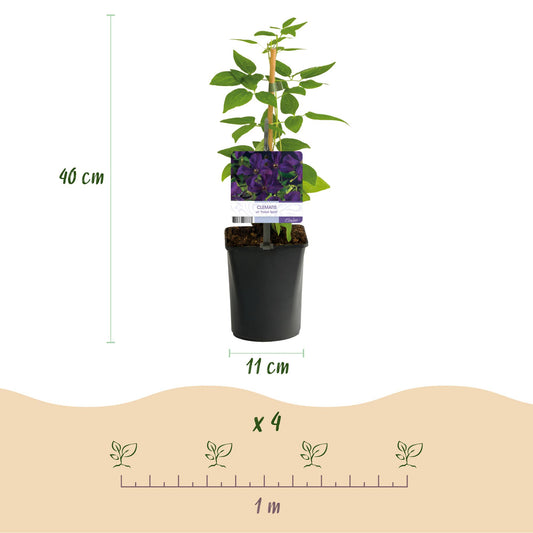
Clematis 'Polish Spirit' (Clematis) - flowering climber - 9 cm pot - Height 35 cm - Set of 2
Regular price 44,95 €Regular price -

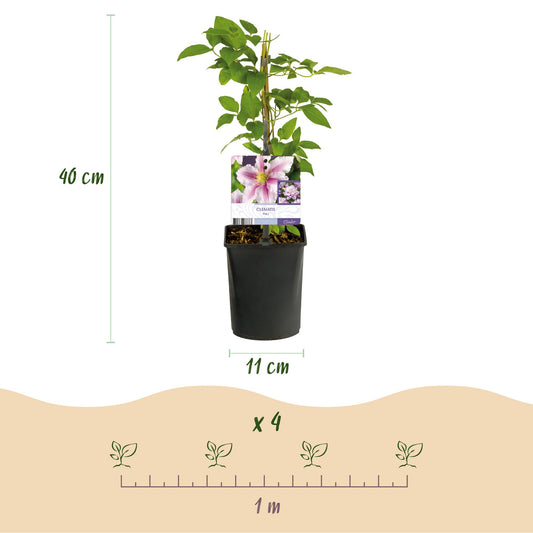
Clematis 'Piilu' (Clematis) - flowering climber - 9 cm pot - Height 35 cm - Set of 2
Regular price 44,95 €Regular price -

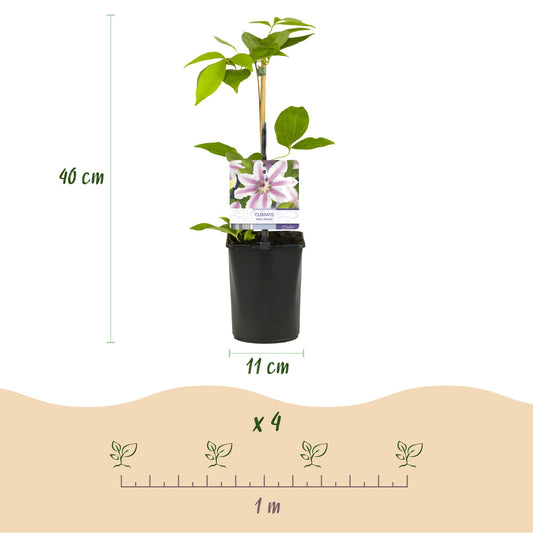
Clematis 'Nelly Moser' (Clematis) - flowering climber - 9 cm pot - Height 35 cm - Set of 2
Regular price 44,95 €Regular price -

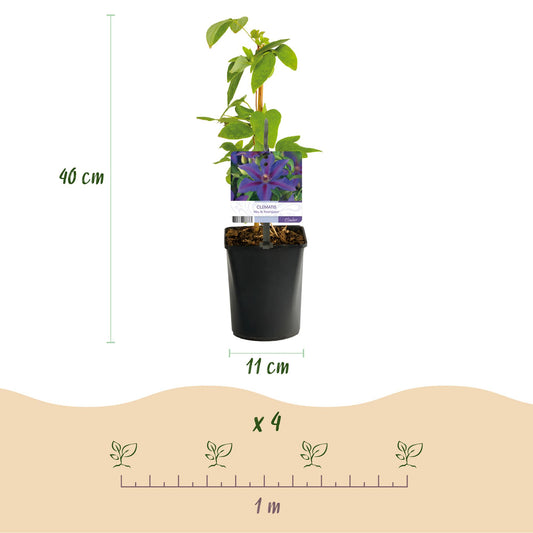
Clematis 'Mrs. N. Thompson' (Clematis) - flowering climber - 11 cm pot - Height 40 cm - Pack of 2
Regular price 39,95 €Regular price -

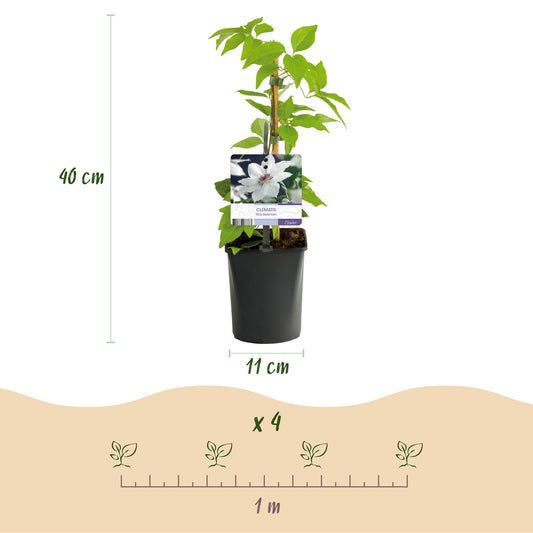
Clematis 'Miss Bateman' (Clematis) - flowering climber - 9 cm pot - Height 35 cm - Pack of 2
Regular price 44,95 €Regular price -

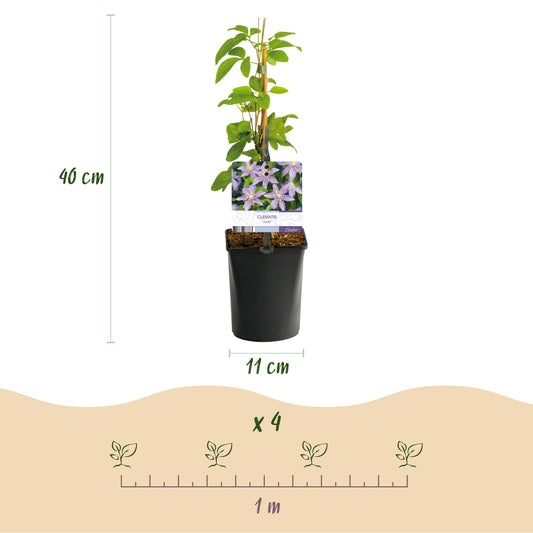
Clematis 'Justa' (Clematis) - flowering climber - 9 cm pot - Height 35 cm - Pack of 2
Regular price 44,95 €Regular price -

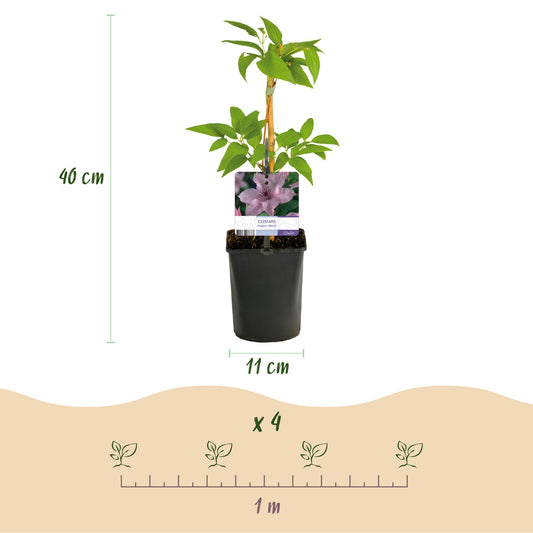
Clematis 'Hagley Hybrid' (Clematis) - flowering climber - 9 cm pot - Height 35 cm - Pack of 2
Regular price 44,95 €Regular price -

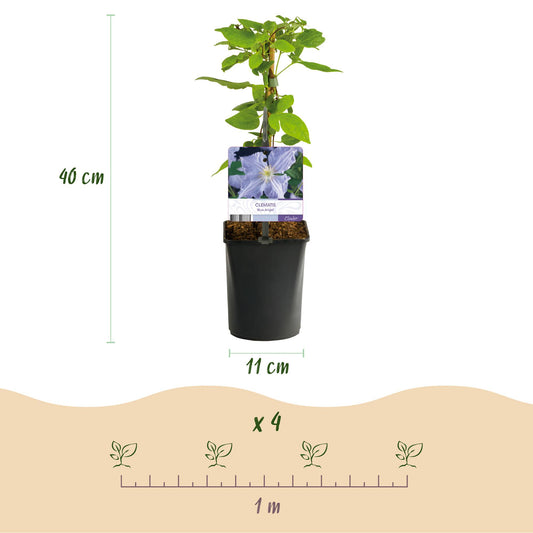
Clematis 'Blue Angel' (Clematis) - flowering climber - 11 cm pot - Height 40 cm - Pack of 2
Regular price 39,95 €Regular price -

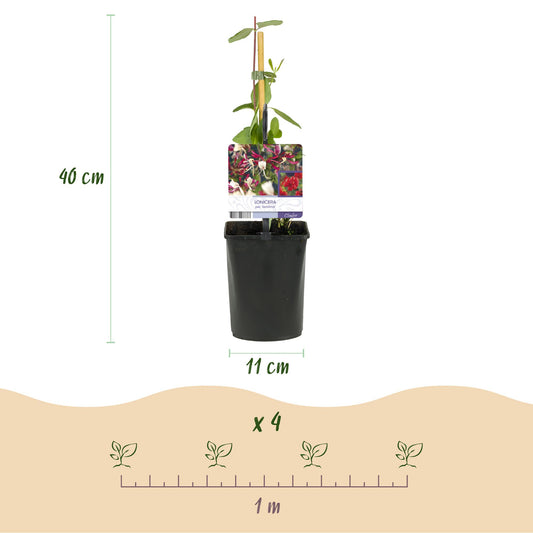
Honeysuckle 'Serotina' (Lonicera) - fragrant climber - 9 cm pot - Height 35 cm - Pack of 2
Regular price 39,95 €Regular price -

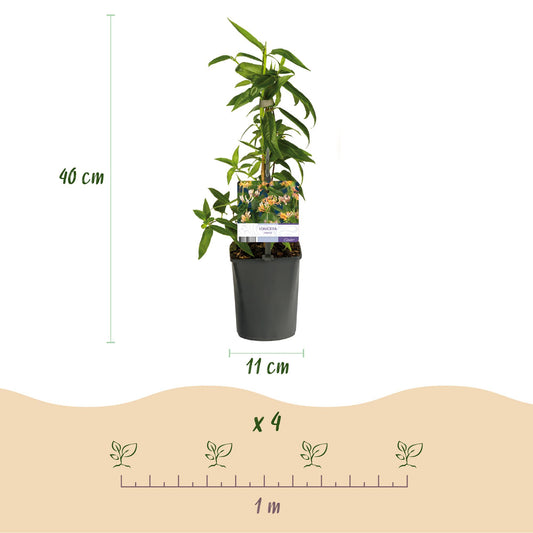
Henry's Honeysuckle (Lonicera henryi) - evergreen climber - 9 cm pot - Height 35 cm - Pack of 2
Regular price 39,95 €Regular price -

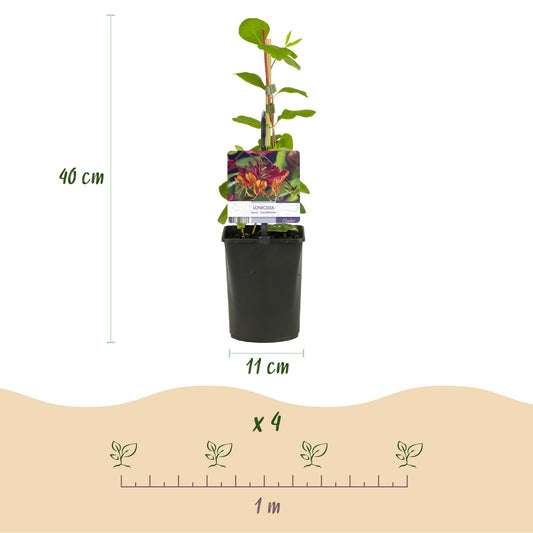
Honeysuckle 'Goldflame' (Lonicera) - fragrant climber - 11 cm pot - Height 40 cm - Pack of 2
Regular price 39,95 €Regular price -
Campsis 'Madame Galen' - Flowering Climber - 11 cm Pot - Height 40 cm - Pack of 2
Regular price 44,95 €Regular price -
Campsis 'Flava' - Flowering Climber - 11 cm Pot - Height 40 cm - Pack of 2
Regular price 44,95 €Regular price


