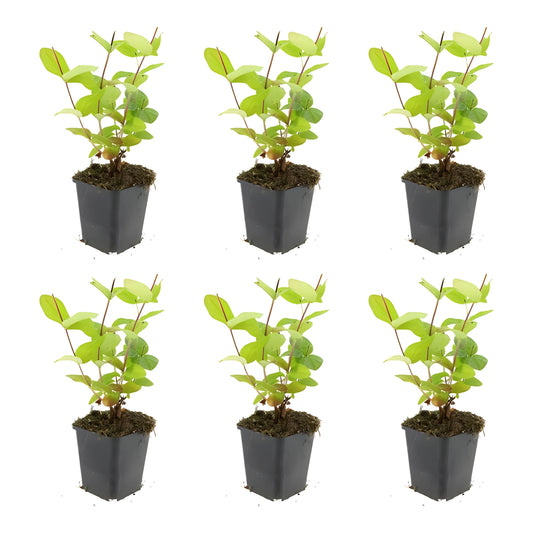
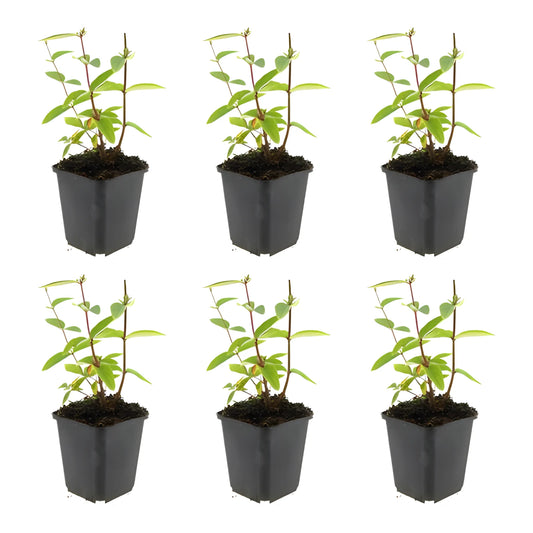
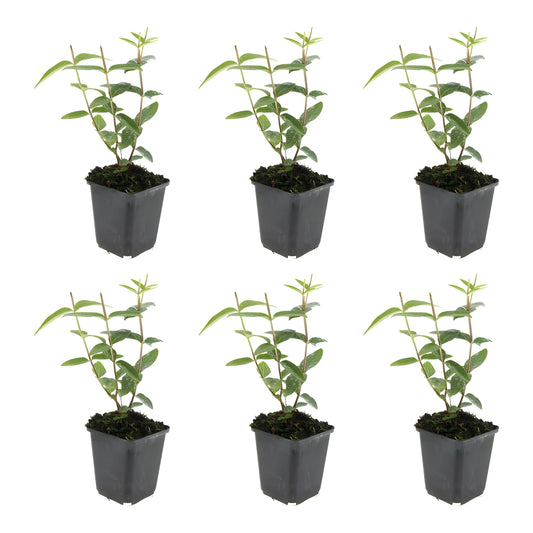
Dogwood (Cornus): planting, pruning and varieties

To grow a dogwood successfully, first make sure you know which one you’re planting: a dogwood grown for its colourful stems is cut back almost to ground level in late winter, while a flowering dogwood or a Cornelian cherry needs little to no pruning.
The name covers the entire genus Cornus, in the dogwood family (Cornaceae), and three distinct uses: red or yellow winter stems, large white or pink spring bracts, and the edible fruits of Cornus mas.
All grow in sun or partial shade in moist soil, and fit easily among the flowering shrubs in a garden. Here are the facts, checked against the RHS, Kew Gardens and NC State Extension, species by species.
🌿 Why plant a dogwood: three shrubs in one genus
Few genera offer such a long season of interest. Dogwoods grown for their colourful stems brighten winter: the RHS (Royal Horticultural Society) guide to dogwoods grown for colourful stems notes that they are fully hardy, useful in low-lying spots where cold air settles, and produce their brightest stems on young wood.
Flowering dogwoods take over in late spring with their bracts, then offer fruit and colourful autumn foliage. The Cornelian cherry flowers yellow from late winter and can even be grown as a hedge, according to the RHS Cornus mas profile.
| Benefit | What it means for your garden |
|---|---|
| Colour in the depths of winter | Bright red, orange or yellow-green stems when the garden is bare |
| Spectacular flowers | White or pink bracts on C. kousa and C. florida; yellow winter flowers on C. mas |
| Useful fruit | Edible Cornelian cherries from C. mas; berries sought after by birds on other species |
| Very hardy | Down to H7 (below -20 °C), according to the RHS, for dogwoods grown for colourful stems |
🔎 Dogwood at a glance
According to Plants of the World Online (POWO) at the Royal Botanic Gardens, Kew, Cornus L. is a genus in the dogwood family (Cornaceae), with 52 accepted species distributed across the temperate Northern Hemisphere, from Eurasia to North America, with a few species in tropical Africa and as far as Bolivia. The former genera Swida, Thelycrania and Benthamidia are now included in Cornus.
Cornus alba is native from eastern Europe to northern Korea, according to the POWO profile for Cornus alba, while Cornus sericea, of which Cornus stolonifera is a synonym, is native to North America, according to POWO.
The Cornelian cherry, Cornus mas, grows naturally from Europe to the Caucasus, including France, notes POWO.
| Feature | Verified details |
|---|---|
| 🏷️ Botanical name | Cornus L.; cultivated species: C. alba, C. sericea, C. sanguinea, C. mas, C. kousa, C. florida |
| 🧬 Family | Dogwood family (Cornaceae) |
| 🌳 Type | Deciduous shrubs (colourful-stem dogwoods, C. mas) and small flowering trees (C. kousa, C. florida) |
| 🌍 Origin | Europe to the Caucasus (C. mas), eastern Europe to Korea (C. alba), North America (C. sericea, C. florida), East Asia (C. kousa) |
| ❄️ Hardiness | H7, below -20 °C (alba 'Sibirica', sericea 'Flaviramea'); H6, -15 to -20 °C (sanguinea, mas, kousa var. chinensis); H5, -10 to -15 °C (florida), according to the RHS |
| 🍃 Foliage | Deciduous, with oval leaves; turns red, purple or orange in autumn, depending on the species (RHS) |
| 🌸 Flowering | Late winter (C. mas, yellow); spring–summer (small cream flowers on colourful-stem dogwoods); late spring (bracts on C. kousa and C. florida) |
| 📏 Mature size | 1.5 to 2.5 m (colourful-stem dogwoods), 2.5 to 4 m (C. mas), 4 to 8 m (C. kousa var. chinensis, C. florida), according to the RHS |
📋 Quick growing guide
The essential growing information, all in one place.
| Factor | Guidance |
|---|---|
| Position | Sun or partial shade; full sun for the brightest stems |
| Soil | Moisture-retentive for colourful-stem dogwoods; moist but well-drained, neutral to acidic for C. kousa and C. florida; C. mas tolerates alkaline soil |
| Hardiness | H7 for alba and sericea; H6 for sanguinea, mas and kousa var. chinensis; H5 for florida (RHS) |
| Watering | Regularly in the first year; a site that is too dry produces dull stems (RHS) |
| Planting | Container-grown plants can be planted year-round; autumn is ideal. Avoid summer planting for flowering dogwoods. |
| Pruning | Colourful-stem dogwoods: cut back from late March to mid-April; others: light pruning while dormant, from late autumn to early spring |
| Flowering | Yellow in late winter (C. mas); bracts in late spring (C. kousa, C. florida) |
| Care | Easy: apply balanced fertiliser and organic mulch in spring after cutting back |
| Toxicity | No toxicity reported by the RHS or NC State; only the fruit of C. mas is considered edible |
📍 Where and when to plant a dogwood
Plant a colourful-stem dogwood in a sunny spot with soil that stays moist. According to the RHS, these shrubs tolerate some shade, prefer moist, water-retentive soil, and become weak with dull stems if planted in a spot that is too dry. Container-grown plants can be planted at any time of year, but autumn is the easiest season.
Flowering dogwoods need moist but well-drained soil in sun or light shade; the RHS guide to flowering dogwoods recommends planting them from autumn to early spring and avoiding summer.
The Cornelian cherry tolerates acidic, neutral or alkaline soils, according to North Carolina State University Extension (NC State Extension).
☀️ Ideal: Sun, moist soil: a bed of colourful stems visible from the house, a pond edge or an informal hedge
⛅ Acceptable: Light partial shade: good growth, but slightly less vivid stems or more subdued flowering
🚫 Avoid: Dry, poor soil for colourful-stem dogwoods; waterlogged soil for C. kousa; planting in midsummer
🪴 Planting a dogwood in a border, hedge or as a specimen
For a mass planting of colourful stems, the RHS recommends spacing plants about 50 to 60 cm apart to create a dense block of colour. Improve the soil with well-rotted organic matter or composted bark, then mulch.
Plant a flowering dogwood or Cornelian cherry as a specimen or at the back of an informal hedge, allowing for its mature spread: 2.5 to 4 m for C. mas and 4 to 8 m for Cornus kousa var. chinensis, according to the RHS. Water regularly in the first year, especially during dry springs and summers.
| Step | What to do |
|---|---|
| 1. Choose its purpose | Colourful-stem dogwoods in a bed or hedge; flowering dogwoods as specimens; C. mas in an informal hedge or orchard |
| 2. Prepare the soil | Work in well-rotted organic matter; improve drainage if the soil stays waterlogged (C. kousa) |
| 3. Space the plants | 50 to 60 cm apart for a mass planting of stems (RHS); allow 2.5 to 8 m of spread for other species, depending on type |
| 4. Plant and water | Rehydrate the rootball, plant it at the same depth as in the container, water thoroughly and continue watering regularly in the first year |
| 5. Mulch | Apply composted bark or compost, keeping it clear of the base of the stems |
columns: 4
columns_mobile: 2
-
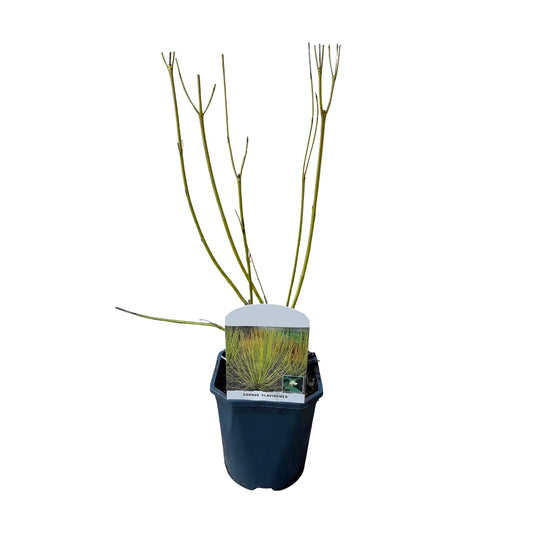
Dogwood 'Flaviramea' (Cornus) - ornamental stem shrub - 17 cm pot - Height 45 cm
Regular price 39,95 €Regular price39,95 €31,96 €Livraison offerte -

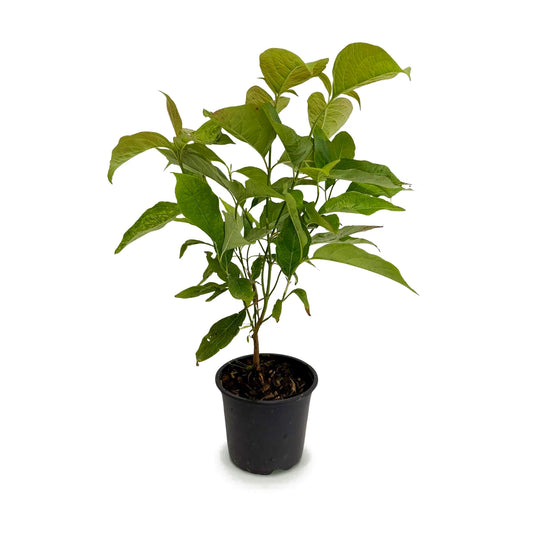
Male dogwood (Cornus mas) - winter-flowering yellow shrub - 12 cm pot - Height 35 cm
Regular price From 34,95 €Regular price34,95 €From 27,96 €Livraison offerte -

 Livraison offerte
Dogwood (Cornus) – ornamental woody shrub – 17 cm pot – 45 cm tall
Regular price From 39,95 €Regular price39,95 €From 31,96 €Livraison offerte -


'Royal Purple' Smoke Tree (Cotinus coggygria) - purple-foliaged shrub - 12 cm pot - Height 35 cm
Regular price From 39,95 €Regular price39,95 €From 31,96 €Livraison offerte -


'Golden Spirit' smoke tree (Cotinus coggygria) - golden-foliaged shrub - 12 cm pot - Height 35 cm
Regular price From 39,95 €Regular price59,95 €Sale price From 39,95 €39,95 €From 31,96 €Livraison offerte Sale -
Forsythia 'Goldrausch' (Forsythia) - flowering shrub - 17 cm pot - Height 45 cm
Regular price 39,95 €Regular price39,95 €31,96 €Livraison offerte -
Viburnum (Viburnum) – Fragrant flowering shrub – 19 cm pot – Height: 90 cm
Regular price 69,95 €Regular price69,95 €55,96 €Livraison offerte



✂️ Dogwood care and pruning: cutting back or light pruning
Pruning depends entirely on the purpose of the plant.
Dogwoods grown for their colourful stems are cut back hard: the RHS (Royal Horticultural Society) guide to dogwoods grown for colourful stems recommends cutting all stems back to 5 to 7.5 cm above ground between late winter and mid-spring, ideally in early to mid-April, and only after the plants have been established for at least two years.
According to the RHS page on pruning shrubs with colourful stems, less vigorous varieties such as 'Midwinter Fire' should be cut back every two years. A less drastic approach is suggested by the NC State Extension profile for Cornus alba: remove the oldest stems each spring.
Flowering dogwoods, on the other hand, do not need regular pruning and respond poorly to hard pruning.
🔹 Cutting back colourful-stem dogwoods: Cut all stems to 5 to 7.5 cm above ground from late March to mid-April, after the plants have been established for two years (RHS)
🔹 Gentler alternative: Cut the oldest stems back to the base each spring to maintain the plant’s shape (NC State)
🔹 Flowering dogwoods and C. mas: No regular pruning; remove dead or misplaced wood while dormant, from late autumn to early spring (RHS)
🔹 Feed after cutting back: Apply balanced fertiliser in spring and organic mulch to encourage regrowth (RHS)
💧 Watering: Water regularly in the first year; thereafter, water during prolonged dry spells, especially for colourful-stem dogwoods
🍂 Dogwoods through the seasons
Each group has its own season in the spotlight. In winter, the stems of 'Sibirica' turn crimson and those of 'Flaviramea' yellow-green, notes the RHS profile for 'Flaviramea', while the small yellow flowers of the Cornelian cherry open in late winter. Come spring, it is time to cut back the colourful-stem dogwoods, followed by the bracts of C. kousa in early summer.
In autumn, the leaves change colour: deep red on C. sanguinea, according to the RHS profile for Cornus sanguinea; purple on C. mas; and purplish crimson on C. kousa var. chinensis. As for cold hardiness, the RHS hardiness scale rates H7 as below -20 °C, H6 as -15 to -20 °C, and H5 as -10 to -15 °C.
📅 Seasonal care calendar
| Season | Key task |
|---|---|
| 🌸 Spring | Cut back colourful-stem dogwoods from late March to mid-April; apply fertiliser and mulch; C. kousa and C. florida produce their bracts towards the end of the season |
| ☀️ Summer | Water young plants in dry weather; harvest fully red Cornelian cherries from C. mas; take softwood cuttings of flowering dogwoods in early summer |
| 🍂 Autumn | Ideal time to plant; red and purple foliage; take hardwood cuttings from late autumn |
| ❄️ Winter | Colourful stems at their brightest; C. mas flowers yellow in late winter; lightly prune flowering dogwoods while dormant |
🌱 Taking cuttings and propagating dogwoods
Dogwoods grown for their colourful stems are easy to propagate from cuttings. The RHS recommends taking straight, pencil-thick stems 20 to 30 cm long from late autumn to midwinter; plant the cuttings in their final positions the following autumn, then cut them back after two to three years.
Cornus sericea also spreads on its own by underground stems, according to NC State Extension. Flowering dogwoods are more challenging: take softwood cuttings from late spring to early summer, sow seeds after a cold period, or propagate by grafting in a nursery, according to the RHS.
🐛 Common problems: causes and solutions
Dogwoods are robust, but each group has its weak points. The RHS reports root diseases such as honey fungus and Phytophthora root rot in colourful-stem dogwoods, and dogwood anthracnose in flowering dogwoods during wet springs. NC State Extension considers Cornus kousa more resistant to anthracnose than American dogwood, and C. mas highly resistant.
However, the most common complaint is still dull stems caused by failing to cut the plants back.
| Symptom | Likely cause | Solution |
|---|---|---|
| Dull, poorly coloured stems | ⚠️ Old wood not renewed, or site too dry (RHS) | Cut back in late winter after two years in place; mulch and water |
| Brown spots, shoots die back in spring | ⚠️ Dogwood anthracnose, encouraged by wet springs (RHS) | Remove affected parts and improve airflow; choose C. kousa or C. mas, which are more resistant (NC State) |
| Sudden dieback, fungi at the base | 🍄 Honey fungus or Phytophthora root rot (RHS) | Dig up the affected plant and its roots; do not replant in the same spot |
| Whitened or spotted leaves | 🍄 Powdery mildew or leaf spots on a stressed plant (NC State) | Avoid drought and excessive shade; collect affected leaves |
| No more flowers on a common dogwood | ⚠️ Hard pruning in spring, which removes the flowers (RHS) | Cut back only some of the stems if you want flowers and fruit |
| Suckers colonizing the bed | ⚠️ Underground stems of C. sericea (NC State) | Cut the suckers around the clump with a spade |
-

Our flowering outdoor shrubs: buddleias, dogwoods, deutzias, hibiscus, mock oranges and more...


🌸 Our dogwood varieties
Here are the dogwoods whose characteristics are documented by the RHS or NC State Extension, grouped by use; the first three are the ones we offer.
| Variety | What makes it special |
|---|---|
| 'Flaviramea' | Colored stems: greenish-yellow stems in winter, H7, 1.5 to 2.5 m; classified as Cornus sericea by the RHS and NC State, sometimes sold as Cornus alba |
| 'Sibirica' | Colored stems: Cornus alba 'Sibirica', whose stems turn bright crimson in winter, H7, 1.5 to 2.5 m (RHS) |
| Cornus mas | Fruit-bearing: Cornelian cherry dogwood, yellow flowers in late winter, edible red fruits, H6, 2.5 to 4 m (RHS) |
| 'Midwinter Fire' | Colored stems: Cornus sanguinea with orange-red and yellow young shoots, H6, cut back every two years (RHS) |
| Cornus kousa var. chinensis | Japanese or Chinese dogwood: creamy white bracts in early summer, pink fruits, H6, 4 to 8 m (RHS) |
| Cornus florida | American flowering dogwood: white or pink bracts in late spring, acidic to neutral soil, H5 (RHS) |
🎨 Dogwoods in the garden: combinations and companions
Dogwoods with colorful stems look their best in a group, in front of an evergreen hedge or alongside grasses that remain upright in winter: our guide to ornamental grasses will help you choose. For autumn foliage, see our comparison of shrubs with fall color.
For an informal hedge, combine common dogwood, forsythia and viburnum, following our guide to creating a privacy hedge.
As a fruiting shrub, our Cornelian cherry dogwood fits in among the small fruits and fruit trees for the garden.
Browse our Cornus and other flowering shrubs, our ornamental trees and shrubs, our hedge shrubs and all our outdoor plants.
⚠️ Are dogwoods toxic, and can you eat their fruits?
None of our sources classifies dogwoods as toxic plants, but their fruits vary. Cornelian cherries from Cornus mas are edible according to the RHS, and NC State Extension says they can be made into a tart jelly.
The fruits of C. kousa are technically edible but are generally left for the birds, while those of C. sanguinea are bitter according to NC State Extension, and those of C. florida are bitter and inedible according to its Cornus florida profile.
The ASPCA (American Society for the Prevention of Cruelty to Animals) does not publish a Cornus profile, so we cannot confirm that they pose no risk to pets. Only eat fruits from positively identified C. mas plants.
✅ Our expert tips for success
Choosing the right dogwood is the first step to success: colorful stems for winter, flowering dogwoods for spring, and Cornelian cherry dogwood for fruit. Once established, cut the first group back to 5 to 7.5 cm above the ground in late winter, prune the others only lightly, and give them all moist soil in full sun or partial shade.
As for hardiness, only C. florida (H5) needs a little extra attention in the coldest regions.
If you are concerned about spreading, choose C. alba or C. sanguinea, which is native to Europe, rather than C. sericea, which spreads by suckers: NC State notes that its colonies can become invasive, and the categorized list of invasive alien plants in the Grand Est region (botanical conservatories, 2020) includes it on its watch list.
For more information, our guide to when to trim a hedge complements this calendar.
Dogwood is the shrub I recommend to anyone who finds their garden dull in winter. The first hard prune can feel daunting because you cut almost everything back, but the following year's regrowth is reassuring. I love combining a bed of red and yellow stems, and I like Cornelian cherry dogwood for its yellow flowers when nothing else is in bloom. And I never throw away the cut stems: they end up in a vase or as cuttings.

Laura Bruneau
Jardinière et autrice