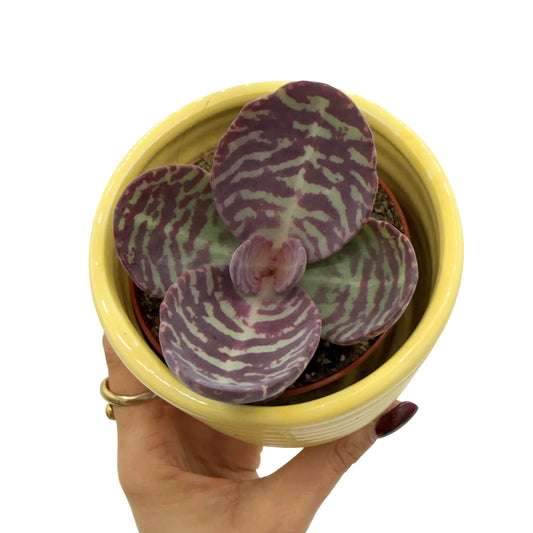
Rare Plant Shop: Find Your Colorful Foliage Houseplant in 2026

Why is your Philodendron Pink Princess losing its rosy hues and turning desperately green again? You’ve probably already felt that frustration when the vibrant color of your new plant started to fade just a few weeks after you brought it home. Growing a colorful-leaved houseplant successfully requires a nuanced understanding of its biological needs, going far beyond simply watering it regularly.
We share your high standards for these rare specimens that transform a home into a true natural art gallery. This article will help you choose the most fascinating varieties of 2026 while addressing your concerns about toxicity to pets and the difficulty of finding botanical gems at conventional garden centers. You’ll learn how balancing light exposure with a living substrate helps preserve these spectacular pigments over time.
From choosing rare finds acclimated in France to specialized feeding techniques, we cover the steps to building your own urban jungle. Get ready to master the art of color, so that every new leaf becomes a promise of vitality and escape in your home.
Key Takeaways
- Understand the role of natural pigments in keeping your colorful-leaved houseplant vibrant over time.
- Discover a selection of rare varieties, from the rosy hues of the Aglaonema Pink Star to the metallic sheen of the Alocasia Cuprea.
- Learn how to adjust light exposure and use a living substrate to keep your plants from losing their color.
- Master essential care, from cleaning leaves to intuitive watering, to keep your botanical treasures healthy.
- Benefit from Plant & Stories’ expertise, with plants acclimated in France and shipped in 100% recycled packaging.
What is a colorful-leaved houseplant?
Nature does nothing by chance. Behind the vivid hues of a colorful-leaved houseplant lies a fascinating biological process. While most plants get their green color from chlorophyll, which is essential for photosynthesis, colorful varieties have other pigments in their tissues. Anthocyanins create red, pink, and purple shades, while carotenoids are responsible for orange and yellow tones. These colors are more than mere decoration. They often help protect the plant from overly intense UV rays in its native habitat or attract certain pollinators.
The appeal of these specimens in our homes comes from their ability to provide a lasting display. Unlike flowers, which fade within days, a graphic-leaved houseplant stays decorative all year round. Collectors are especially drawn to three types of coloration: variegation, which creates white or cream-colored patches; purple leaf undersides, typical of Calatheas; and the almost fluorescent neon shades found in some Philodendrons. However, owning one of these plants requires extra attention. The less green a leaf has, the less light the plant can convert into energy, making it more particular about where it is placed.
Variegation vs. pigmentation: understanding the difference
It’s crucial to distinguish variegation from natural pigmentation. Variegation is often the result of a genetic mutation that causes a localized lack of chlorophyll. It’s a form of plant albinism. These pale areas cannot nourish the plant, so they need very bright light to compensate for this limitation. By contrast, pigments such as pink or burgundy often act as protective filters. If your plant starts losing its color and turns completely green, it isn’t getting enough light. It then produces more chlorophyll to survive, a phenomenon known as “reversion” that every colorful-plant enthusiast wants to avoid.
The psychological impact of color in your urban jungle
Colors directly influence our mood and the atmosphere of a room. Adding pink creates a feeling of softness and serenity, making it perfect for a bedroom or reading nook. Purple and burgundy, seen in some Alocasia varieties, bring a mysterious elegance and a sophisticated touch to your decor. For a harmonious look, play with contrasts. Place a neon-leaved plant against a dark wall to create a dynamic focal point. Choosing a colorful plant is, above all, a way to express your personality through a living ecosystem that grows alongside you.
Top colorful plants by color palette
Now that you understand the biology of pigments, it’s time to choose the colorful-leaved houseplant that will elevate your space. In 2026, the trend is moving away from uniform green in favor of bold contrasts. Whether you’re drawn to soft pastels or the intensity of deep purples, every variety tells a unique visual story. Here’s a carefully selected range of specimens that combine beauty and character.
Pink and pastel plants: the must-have trend
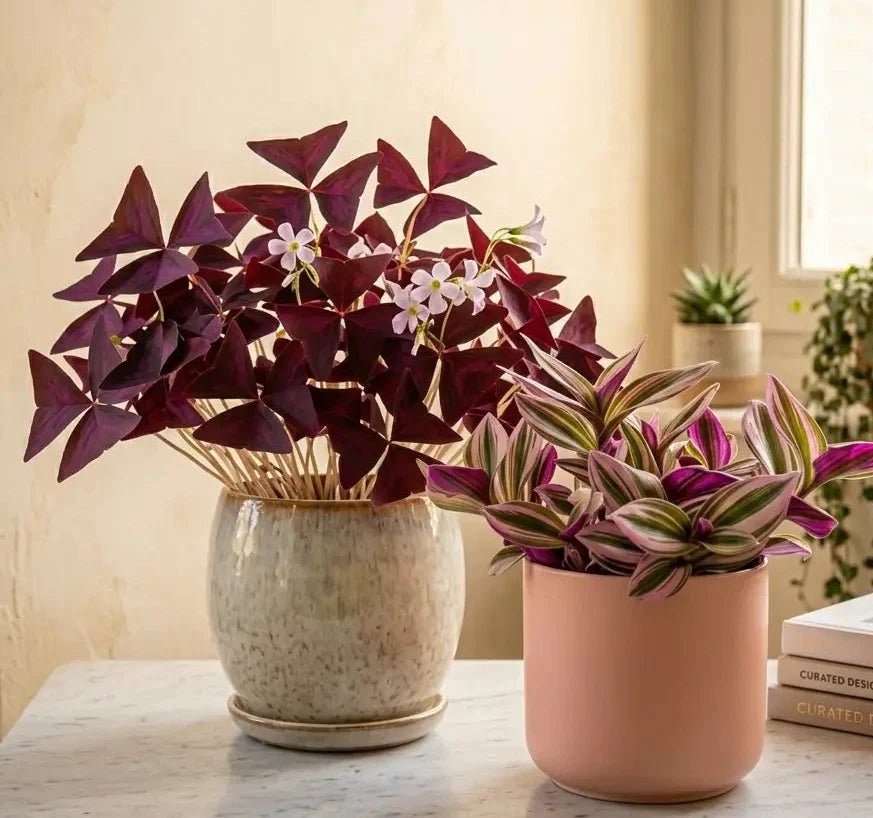
Pink remains the most sought-after color among collectors. The Aglaonema Pink Star stands out for its large, vibrant fuchsia leaves that look almost artificial. For a more delicate look, the Syngonium Neon Robusta offers soft, powdery hues that change as the leaf matures. If you’re a beginner, the Oxalis triangularis is an ideal choice. Its purple butterfly-shaped leaves open and close with the daylight. To keep these varieties brightly colored, place them near a window but out of direct sunlight. Low light will make their foliage duller and greener.
Dark, mysterious foliage: tropical sophistication
Those who love sophisticated decor are drawn to dark foliage. The Alocasia Cuprea, with its coppery metallic sheen, looks like a living bronze sculpture. The Alocasia Black Velvet, meanwhile, has such a dense, velvety texture that it absorbs light. To show off these dramatic plants, place them against a light-colored wall or in planters in earthy tones. Alocasias need particular attention to ambient humidity. Follow a precise care guide to prevent them from going dormant—a resting state in which the plant loses its leaves if temperatures fall too low.
Pet-friendly picks: color without the risk
Living with pets doesn’t mean giving up on botanical rarities. Calatheas and Marantas offer incredible geometric patterns blending pink, white, and green, while being completely non-toxic. The Hoya collection is another safe and elegant alternative. Their fleshy leaves, sometimes speckled with silver (splash), are hardy and safe for your furry companions. Before bringing home any plant, always check its toxicity in reputable horticultural databases to keep your household safe.
More experienced collectors can turn to gems such as the Anthurium with silver veins or the Monstera Variegata. These plants require precise watering and feeding. If you’re unsure which plant to choose next, feel free to contact our team of plant enthusiasts for personalized advice based on your lighting conditions.
columns: 4
columns_mobile: 2
-

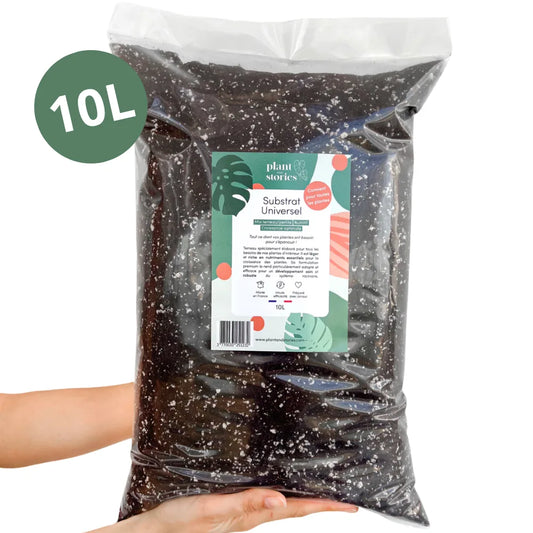
Universal Substrate enriched with Mycorrhizae and Bacillus - Premium Quality - Universal potting mix
Regular price From 9,50 €Regular price23,75 €Sale price From 9,50 €Sale -
Live sphagnum moss - Sphagnum moss for plants - Sphagnum moss - Live sphagnum moss for plants
Regular price 9,50 €Regular price -
Set of Transparent Araceae Pots - Transparent Growing Pots for Plants
Regular price From 8,97 €Regular price9,75 €Sale price From 8,97 €Sale -
Fertilizer for All Indoor Plants - 250ml Liquid Fertilizer - Root and Foliar Fertilizer + Free Graduated Pipette!
Regular price 18,00 €Regular price20,00 €Sale price 18,00 €Sale



The secret to vibrant color: light and living substrate
For a colorful-leaved houseplant to retain its vibrant hues, light is its main source of energy. Without enough light, the plant prioritizes survival by producing more green chlorophyll at the expense of pink, red, or purple pigments. A study on the photoperiod of houseplants also demonstrates how crucial the duration and quality of light exposure are to the appearance of foliage. The right lighting helps preserve these colors over time while strengthening the plant itself.
Substrate is the second key to achieving colorful foliage. Potting mixes sold in conventional stores are often too dense, eventually suffocating the delicate roots of rare varieties. A good growing medium should be designed as a complete nutritional ecosystem that allows the root system to breathe. To meet this need, Plant & Stories develops its own blends in France. Our substrates are designed to offer the perfect balance of water retention and aeration.
The importance of mycorrhizae and Bacillus
We incorporate natural biostimulants into our blends to maximize your plants’ vigor. Mycorrhizae are beneficial fungi that form a symbiotic relationship with roots, tripling their ability to absorb essential nutrients. Bacillus, meanwhile, acts as a natural defense against pathogens that could attack the soil. Our enriched Monstera potting mix uses this biological synergy to promote rapid growth and strikingly patterned leaves.
Drainage: an ally for graphic foliage
Excess moisture is often the main cause of loss when it comes to rare plants. To prevent root rot, a mix must include drainage-enhancing components such as perlite, pine bark, or activated charcoal. These create air pockets that are essential to the plant’s overall health. If you want to avoid the drawbacks of conventional potting mix, including fungus gnats, PON (mineral substrate) is an excellent alternative. This mineral medium allows precise water management, ensuring consistent hydration without ever waterlogging the roots.
Care guide: preserving the beauty of your rare plants
Keeping a colorful-leaved houseplant vibrant takes more than simply watering it. Dust is your first enemy. As it builds up, it forms a film that blocks light and slows photosynthesis, dulling pink or silver pigments. Get into the habit of cleaning the leaves once a month with a soft, damp cloth so they can breathe and shine.
Watering should be an intuitive conversation with your plant, not a task dictated by a rigid schedule. Before reaching for the watering can, push your finger two centimeters into the substrate. If it’s still damp, wait a few days. Overwatering is the fastest way to cause root rot and make your plants’ colors fade into an unsightly brown.
During the winter months, a lack of natural light can cause your plants to “revert” to green. To compensate for those gray days, full-spectrum grow lights are an effective solution. They provide the specific wavelengths needed to maintain intense fuchsia and deep purple hues, even in the heart of January.
Acclimating your plant after an online purchase
Receiving a plant by mail is exciting, but patience is your best ally. Your new plant has just spent 48 hours in the dark inside a box. Resist the urge to repot it immediately. The stress of shipping combined with root disturbance can be fatal. Leave it in its nursery pot for at least two weeks in a spot with gentle, indirect light. At Plant & Stories, we offer a 30-day plant guarantee because we know these first few weeks are crucial to helping it thrive in your urban jungle.
Trellises and supports: helping climbing plants thrive
If you have climbing varieties such as a Monstera Adansonii or certain Philodendrons, vertical support is essential. In their natural habitat, these plants climb tree trunks to reach more light. Installing a sphagnum moss pole or a clear support encourages the plant to produce increasingly larger, fenestrated leaves. Attach the stems gently without ever tightening the ties, so you don’t damage the growing tissue.
Still unsure which type of support is right for your Monstera or Alocasia? If you have any technical questions about installing your accessories, feel free to contact our botanical care experts for personalized guidance.
Buy your colorful plants at Plant & Stories
Bringing home a colorful-leaved houseplant is much more than a simple purchase—it’s the start of a creative journey for your home. At Plant & Stories, we see ourselves as passionate curators, not just sellers. Every specimen we offer is carefully selected for its striking appearance and vigor. We’re committed to bringing you botanical gems that will transform your everyday surroundings.
Our approach is grounded in authenticity and respect for the plant’s natural cycle. The Plant Truck, our iconic mobile shop, travels the roads to meet you and share our love of plants. This close connection helps us stay attuned to your needs and the challenges of urban gardening. When you choose our shop, you join a community of enthusiasts who share tips and discoveries on Instagram every day.
Quality at the heart of everything we do
Your future plants’ health is our top priority. All our plants are carefully acclimated in our greenhouses in Essonne. This stabilization process is essential to ensure that your colorful-leaved houseplant adjusts smoothly to your home environment. We ship orders exclusively from Monday to Wednesday. This schedule prevents your packages from sitting in warehouses over the weekend, ensuring they arrive in optimal condition.
We also pay close attention to our environmental impact. Our packaging is 100% recycled and includes thermal protection to keep even the most delicate foliage safe in transit. With a customer satisfaction rating of 9.9/10, our expertise is recognized by a discerning community. You also get a 30-day plant guarantee for complete peace of mind after your purchase.
Create your urban jungle today
It’s time to bring your color and texture ideas to life. Browse our collection of colorful plants to find the rare gem your collection is missing. Whether you’re looking for a fuchsia Aglaonema or an Alocasia with a metallic sheen, each product page provides clear care instructions.
To stay up to date with our new arrivals, sign up for our newsletter. It’s the best way to get access to private sales of rare varieties before anyone else. The Green Team can’t wait to help you create your green sanctuary and see your home light up with our botanical treasures.


Embrace color in your green sanctuary
Transforming your home into a vibrant urban jungle is now within reach. You have all the keys to preserving the beauty of your colorful-leaved houseplant, from mastering light to using our exclusive living substrates. Remember that every new leaf reflects the attentive care and nourishing environment you provide for your plants.
At Plant & Stories, we’re committed to offering you exceptional specimens, all acclimated in France in our greenhouses in Essonne. With a customer satisfaction rating of 9.9/10, we put our expertise at the service of your botanical success. Whether you fall for a soft pink or a deep purple, your plant journey is just beginning.
Ready to take the plunge and bring your shelves to life? Discover our exclusive selection of rare, colorful plants and let the Green Team guide you. Your next botanical favorite is waiting to begin a new natural story in the heart of your home.

Laura Bruneau
Jardinière & autrice