Complete Guide: Choosing and Growing Your First Rare Plant as a Beginner in 2026

What if acquiring a botanical rarity were no longer a risky gamble reserved for experts alone? The idea of welcoming your first rare plant for beginners may seem intimidating, especially when faced with the apparent complexity of technical terms like stable variegation or aroid substrates. It is perfectly natural to feel apprehensive about investing in a unique specimen without being certain you can help it thrive in your home over the long term.
We understand: nothing is more frustrating than watching a botanical treasure wither within days because you didn't have the right advice. This comprehensive guide promises to lift the veil on collectors’ secrets so you can start your botanical rarity collection without any stress. With our expert advice on choosing and caring for your plants, you’ll turn apprehension into confidence and build an urban jungle that inspires admiration.
Together, we’ll explore the hardiest varieties to choose in 2026, the crucial importance of a living biological environment, and the key steps for methodical acclimation after purchase. Get ready to discover how to choose resilient specimens and master the essential techniques that ensure lush growth, turning your passion into a creative success story.
Key Takeaways
- Learn to distinguish price speculation from botanical rarity so you can choose a variety with stable growing requirements.
- Discover our selection of hardy varieties, such as Monstera Adansonii Variegata, an ideal rare plant for beginners thanks to its fast growth.
- Understand the importance of specialized substrates and mycorrhizae in tripling your botanical treasures’ root absorption capacity.
- Follow essential acclimation steps, including a crucial 48-hour rest before repotting, to avoid post-purchase shock.
- Benefit from expert advice to transform your home into a healthy urban jungle with personalized support after your purchase.
What Is a Rare Plant for Beginners in 2026?
The idea of rarity has evolved significantly in recent years. In 2026, a rare plant for beginners no longer means extreme fragility or an unaffordable price. It now refers to a variety distinguished by unusual foliage, a distinctive texture, or a surprising color, while still having stable, easy-to-understand growing requirements. It’s the perfect combination of aesthetic exclusivity and the hardiness you need for a confident first step into plant collecting.
It’s essential to distinguish price rarity, often linked to fleeting speculation on social media, from genuine botanical rarity. The latter applies to plants that naturally grow more slowly or have a limited geographical range. 2026 marks a turning point, thanks to the rise of local growing in France. By choosing specimens already acclimated in French greenhouses, such as those at our facilities in Essonne, you can avoid the fatal temperature shock often associated with imports from far away.
Stable vs. Fleeting Rarity
Understanding the stability of variegation is crucial to avoid disappointment with a plant that might turn completely green again. Stable variegation ensures that the colored patterns will persist on new leaves. For plant enthusiasts interested in how these mutations are preserved, exploring plant propagation techniques offers fascinating insights into horticultural selection. Choosing “baby plants” also lets you watch this development from the start at a manageable cost.
The Emotional and Financial Investment
Acquiring a rare plant for beginners offers a far deeper sense of satisfaction than buying a plant from a big-box store. Every new leaf is a personal triumph and a conversation starter in the growing community of plant enthusiasts. While it’s tempting to seek out the most spectacular specimen, prioritizing the plant’s health when setting your budget is the best strategy. A healthy plant, even a small one, is the promise of an urban jungle that will thrive and inspire admiration for years to come.
5 Easy Rare Plants to Start Your Collection
Now that you know how to distinguish stable rarity from a passing trend, it’s time to choose your first specimen. Choosing a rare plant for beginners doesn’t mean compromising on looks—in fact, quite the opposite. We’ve selected five varieties known for their resilience and their ability to forgive the small mistakes that are part of learning how to care for indoor plants.
- Monstera Adansonii Variegata: A must-have for its climbing growth habit, it has elegant fenestrations and white patches often covering half the leaf. It grows so quickly that you can spot changes almost every week.
- Hoya Mathilde: This vine is a real gem, with round, fleshy leaves dotted with silver flecks. It’s especially prized for its star-shaped flowers, which give off a captivating fragrance.
- Aglaonema Pictum Tricolor: Nicknamed the camouflage plant, it features an intricate natural pattern combining three shades of green. It’s a hardy plant that tolerates lower-light areas better than its white-variegated relatives.
- Alocasia Jacklyn: With deeply lobed leaves and a velvety texture, it adds instant drama. It’s more tolerant of fluctuations in humidity than other Alocasia varieties.
- Scindapsus Pictus Exotica: Its large, thick leaves with silvery highlights make it a sophisticated alternative to the classic Pothos. Its trailing growth habit is ideal for dressing up a high shelf.
A Closer Look at the Hoya Genus for Collectors
Hoyas are perfect companions for urban spaces where every square foot counts. Their compact growth habit and vertical growth make it easy to add greenery without obstructing walkways. To encourage their growth, using a clear trellis is a clever solution: it guides the stems while remaining discreet. Explore the diversity of our Hoya collection to discover a variety of leaf shapes and fragrances.
Alocasia: Majestic Yet Manageable
Success with Alocasia comes down to a simple balance: bright light, but no direct sunlight, which can burn delicate leaves. Sufficient light is the best defense against dormancy—the survival mechanism that causes a plant to drop its leaves to conserve energy. To maintain healthy humidity, use a tray of damp clay pebbles rather than overwatering the potting mix. For more details on these techniques, see our complete guide to Alocasia care. If you’re still unsure which rare plant for beginners best suits your light conditions, feel free to ask our botanical mentors for advice.
columns: 4
columns_mobile: 2
-

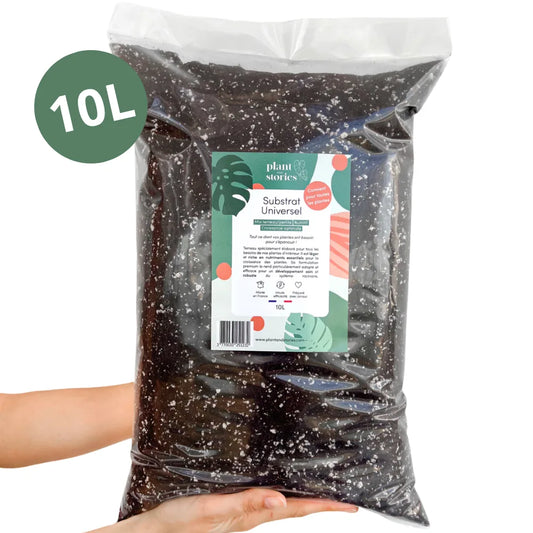
Universal Substrate enriched with Mycorrhizae and Bacillus - Premium Quality - Universal potting mix
Regular price From 9,50 €Regular price23,75 €Sale price From 9,50 €Sale -
Live sphagnum moss - Sphagnum moss for plants - Sphagnum moss - Live sphagnum moss for plants
Regular price 9,50 €Regular price -
Set of Transparent Araceae Pots - Transparent Growing Pots for Plants
Regular price From 8,97 €Regular price9,75 €Sale price From 8,97 €Sale -
Fertilizer for All Indoor Plants - 250ml Liquid Fertilizer - Root and Foliar Fertilizer + Free Graduated Pipette!
Regular price 18,00 €Regular price20,00 €Sale price 18,00 €Sale



Preparing the Environment: The Crucial Importance of Substrate and Light
You’ve finally found your rare gem, but did you know its greatest enemy might be hiding in its own pot? Using standard garden-center potting soil is often a fatal mistake for a rare plant for beginners. These all-purpose mixes are too dense for roots accustomed to breathing in tropical forests. Without adequate aeration, water becomes stagnant, oxygen disappears, and root rot sets in within just a few days. It’s vital to understand that most botanical rarities are epiphytes that need a well-draining, oxygen-rich medium.
Success depends on adding invisible yet powerful biological allies. Mycorrhizae are symbiotic fungi that associate with roots, tripling their capacity to absorb nutrients and water. Meanwhile, Bacillus bacteria act as microscopic bodyguards. They colonize the root zone to prevent pathogenic diseases from developing, ensuring vigorous growth from the first weeks of your botanical journey.
Living Substrate: The Plant & Stories Signature
A good substrate for aroids should mimic the plant’s natural environment. Our signature mix combines pine bark for structure, perlite for drainage, and activated charcoal to purify the growing medium. Choosing potting mix made in France helps ensure these essential microorganisms stay active, as they don’t tolerate long periods in storage. For those concerned about fungus gnats or looking for a more modern approach, PON mineral substrate is a clean, effective alternative that offers complete control over watering and nutrition.
After soil, light is the second pillar of success. A rare plant for beginners needs a precise level of light to maintain its unique colors and patterns. Without enough light, variegated varieties may turn green again to compensate for the lack of light energy.
Optimizing Light Exposure
It’s important to distinguish bright indirect light from direct sunlight, which burns the delicate tissue of variegated leaves. In winter or in dim apartments, a full-spectrum grow light becomes essential to maintain photosynthesis. To assess your light conditions without professional equipment, observe the shadow of your hand where you plan to place the plant around midday. A sharply defined shadow indicates bright, ideal light, while a fuzzy shadow reveals insufficient light, which could weaken your new plant over time.

Acclimation Guide: Essential Steps After Purchase
Bringing a new rare plant for beginners into your home is an exciting moment. Yet it’s also the most critical stage for its long-term survival. Think about the journey: temperature fluctuations, vibrations, and a complete lack of light. For a plant accustomed to the perfect stability of a horticultural greenhouse, this change is a shock. Your role as its mentor starts here, with precise care and exemplary patience.
- Step 1: Unpacking and inspection. Remove your plant from its packaging very gently. Check the undersides of the leaves and the petioles for hitchhikers. If the substrate is dry, check that the visible roots are firm without handling them excessively.
- Step 2: Mandatory rest. Place your new plant in a temperate spot, away from direct sunlight and drafts. Resist the urge to repot it immediately. It needs 48 hours to stabilize its vital functions and regulate its stomata, the tiny pores it uses to breathe.
- Step 3: Gradual hydration. Contrary to common advice on some social media platforms, don’t water it heavily as soon as it comes out of the box. A heavy watering can trigger rapid root rot in a stressed plant. Instead, lightly mist the plant to increase the ambient humidity.
- Step 4: Permanent placement. Once the rest period is over, set it up with suitable support. For climbing varieties, using plant stakes and supports is essential for encouraging the development of larger, mature leaves.
Avoiding Transport Shock
Immediate repotting is the classic fatal mistake. Repotting damages the fine roots—tiny, hairlike roots that absorb water and are already weakened by transport. Signs of stress, such as a yellowing leaf or slightly brown edges, are normal. They don’t necessarily indicate disease; they’re adaptation responses. If the plant seems slow to root, try placing a little live sphagnum moss at its base to naturally encourage new growth without damaging the main root system.
Quarantine: Protecting the Rest of Your Jungle
Isolating your new acquisition for 15 days is an essential golden rule. This quarantine period gives you time to detect potential pests whose eggs might be invisible to the naked eye when unpacking. Use this time to gently wipe the foliage with a damp cloth to remove dust and mineral deposits. This improves photosynthesis and lets you examine your plant up close. If you have any concerns about the health or acclimation of your rare plant for beginners, don’t hesitate to contact our experts for a personalized assessment.
Create Your Urban Jungle with Plant & Stories Expertise
Choosing your first rare plant for beginners is the beginning of a relationship that goes beyond a simple decorative purchase. At Plant & Stories, we take a different approach, seeing every plant as an adventure to share. Our commitment starts in our greenhouses in Essonne, where we prioritize local, responsible growing. This means we can offer you specimens already accustomed to our climate, avoiding the stress caused by mass imports from the other side of the world.
Our plants are exceptionally resilient because they haven’t spent weeks in complete darkness during transport. They arrive at your home vigorous, with root systems already stimulated by our artisanal growing methods. By joining our community of plant enthusiasts, you’re not just buying something beautiful—you’re becoming part of a community that puts the well-being of living things at the heart of everything it does. We’re proud to support you on your journey toward botanical serenity.
More Than a Store: Your Botanical Mentor
We never leave you on your own with any questions you might have about a new variety. Every purchase gives you access to our detailed care guides, true roadmaps to help you understand your plant’s specific needs. To give you complete peace of mind, we offer a 30-day plant guarantee that protects your purchase during its acclimation period. It’s the perfect opportunity to explore all of our rare indoor plants and start your collection without a hint of worry.
Take Action: Your First Rare Plant
The success of your urban jungle depends on making an informed choice from the outset. Assess the light in your home: an east-facing window offers gentle light that’s ideal for many varieties, while a south-facing aspect calls for greater care. The right accessories are another key to success. A suitable stake or specialized substrate, such as those mentioned above, ensures harmonious growth over the long term.
Every seasoned collector started out by marveling at their very first leaf. There’s no such thing as an innate “green thumb”—just careful observation and good advice. We encourage you to take the plunge and transform your home into a unique sanctuary that inspires admiration. If you’re still unsure which plant is right for your space, feel free to reach out to our team for personalized advice.


Start Writing Your Own Botanical Story Today
You now have everything you need to transform your home into an exceptional plant sanctuary. Welcoming your first rare plant for beginners is no longer a stressful challenge, but a creative journey shaped by patience and observation. By choosing specimens acclimated in France and premium substrates enriched with mycorrhizae, you’ll give your collection the biological foundation it needs to thrive for years to come.
Our community of plant enthusiasts reflects this success, with a customer rating of 9.9/10—a testament to our ongoing commitment to quality and personalized support. Every new leaf unfurling in your living room is a reward for the attentive care you provide. Now it’s time to turn inspiration into action and let nature transform your everyday life into a vibrant adventure.
Adopt your first botanical gem at Plant & Stories and benefit from our expertise to help your urban jungle thrive. We can’t wait to guide you in choosing the plant companion that will tell your most beautiful story.

Laura Bruneau
Jardinière & autrice