Rare Houseplants in France: The Definitive Guide for Collectors in 2026

Did you know that the French market for exceptional plants has reached €1.2 billion, reflecting a passion that now goes beyond simple decoration? Finding a rare houseplant in France has become a true aesthetic quest, but the excitement of buying one often gives way to anxiety about watching an expensive specimen wither. Between unsuitable garden-centre potting mixes and the climate challenges posed by our apartments, the path to a resilient urban jungle can sometimes seem full of obstacles.
We share your high standards when it comes to the health of your cherished plants, and your frustration with overly generic advice that ignores the realities of our homes. This definitive guide will help you finally master the acclimation of newly delivered plants and understand the science behind living substrates, so you can provide an optimal environment for your most coveted varieties. You’ll transform your home into a vibrant sanctuary of health, steering clear of common growing mistakes.
Together, we’ll explore the best ways to spot botanical gems in 2026 while complying with new, strict regulations on invasive species. From humidity management to the secrets of vigorous roots, get ready to go from casual enthusiast to confident, knowledgeable collector.
Key Takeaways
- Learn to distinguish genuine botanical rarities from passing trends by exploring this year’s most sought-after Alocasia and Anthurium varieties.
- Discover how living substrates enriched with mycorrhizae can triple root absorption and definitively prevent root rot.
- Master the step-by-step acclimation process to ensure every rare houseplant in France arrives safely after being shipped.
- Adapt your care routine to the French climate by learning how to manage the impact of winter heating on the humidity levels of your most delicate tropical specimens.
- Identify the essential criteria for choosing a trusted shop that prioritizes local acclimation and offers robust plant health guarantees.
What is a rare houseplant in France in 2026?
2026 marks a major turning point for urban gardening enthusiasts. Looking for a rare houseplant in France is no longer about finding the highest price on an auction platform; it’s about understanding the biological story behind each specimen. The French market, valued at €1.2 billion in 2025, has shifted towards a “Quiet Luxury” approach. The focus is now on the quality of a healthy, vigorous statement plant rather than frenzied accumulation of mass-produced varieties.
Rarity is now defined along two main lines. On one hand, there are pure botanical species, often native to tropical microclimates and difficult to source ethically. On the other, spectacular genetic mutations, such as variegation, turn familiar plants into visual treasures. Contrary to popular belief, owning a rare plant doesn’t mean a horticultural ordeal. The challenge often lies in finding the plant and knowing its growing history, rather than meeting its basic needs, provided you give it the right environment from the moment it arrives.
What makes a plant rare: foliage, genetics and availability
Variegation remains the holy grail for many enthusiasts. These white or cream patches on the foliage are caused by a cellular mutation that results in local areas without chlorophyll. While the effect is stunning, it slows the plant’s growth and requires careful light management to compensate for the loss of photosynthetic surface area. Building a cohesive houseplant collection means understanding these biological nuances. Slow-growing plants, such as certain collectible Anthuriums with leathery textures, earn their status through the time and patience required to grow them. Each new leaf becomes an event to watch with fascination.
Why collect botanical gems?
Beyond their aesthetic appeal, collecting exceptional varieties lets you create a true living sanctuary at home. It’s a quest for unusual textures, from the velvety leaves of Alocasias to the metallic or quilted sheen of the latest specimens. Mastering the care of demanding species brings immense satisfaction and a deep sense of connection with the plant world. In 2026, this passion also comes with a new responsibility. It’s vital to check the traceability of species, comply with strict regulations on invasive plants, and choose specimens grown in controlled conditions.
Local acclimation plays a decisive role in this journey. A plant grown in France and accustomed to our light cycles and indoor temperatures is far more likely to survive than a direct import stressed by thousands of kilometres of travel. At Plant & Stories, we prioritize resilience and proximity. We make sure that every colourful plant or rare specimen you welcome is ready to thrive over the long term in your own jungle.
The most sought-after varieties: Alocasia, Anthurium and Hoya
In 2026, the search for a rare houseplant in France is turning towards specimens with almost unreal textures. We’re no longer looking for greenery alone, but for tactile sensations and metallic sheens. Alocasias and Anthuriums dominate enthusiasts’ shelves, while Hoyas are becoming the new favourites for urban spaces thanks to their compact, sculptural growth.
The market has changed dramatically. Once-inaccessible icons such as Monstera Thai Constellation have seen their prices stabilise at €40–€80, thanks to advances in in-vitro propagation. This wider availability allows collectors to seek out even more distinctive varieties, prioritising quality acclimation over rarity of name alone.
Alocasia and Anthurium: queens of the indoor jungle
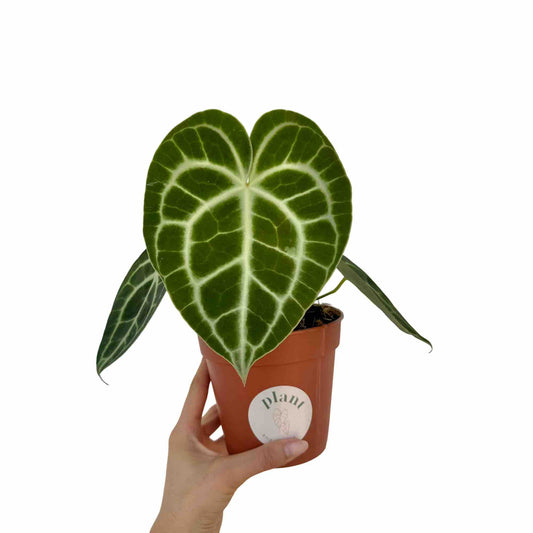
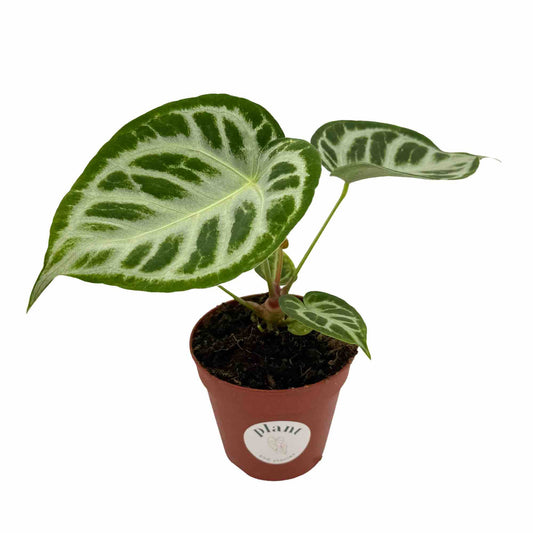
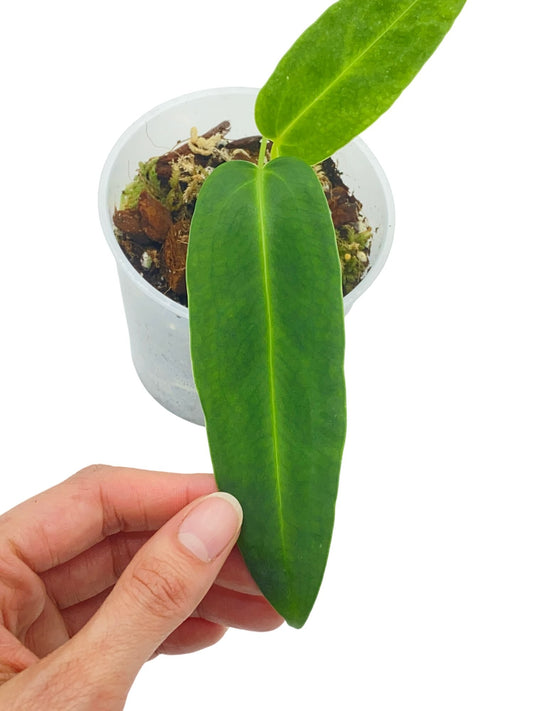
These botanical jewels require special attention to reveal their full potential. Alocasia ‘Silver Dragon’, for example, is prized for its textured leaves with silvery highlights that catch the light. Among Anthuriums, the current trend favours dark, quilted foliage—true living sculptures. Maintaining high humidity without causing root rot remains the main challenge for these tropical species.
Good acclimation and care begin with bright, indirect light. This is essential for preserving the brilliance of velvety foliage without risking irreversible sunburn. To discover today’s most coveted specimens, browse our Alocasia collection or our dedicated selection of niche Anthuriums.
Hoya: the versatile collector’s plant
Hoyas, also known as wax plants, are enjoying tremendous success thanks to their incredible diversity. From Hoya Mathilde to more hard-to-find varieties, their climbing growth brings year-round interest to any home. Using a transparent trellis not only lets you guide the vines elegantly, but also makes it easy to check the health of the aerial roots at a glance.
The secret to fragrant blooms often lies in a subtle balance between slight water stress and generous light. These plants adapt wonderfully to apartment life because they tolerate fluctuations in humidity better than their Alocasia cousins. If you’re unsure which specimen to choose, feel free to send us your questions via our contact page for personalised advice from our team of enthusiasts.
Colourful varieties, such as Aglaonema and pink-toned Philodendrons, also remain must-haves. They provide the contrast needed to bring out the deep greens in your collection. Every plant is a journey, and choosing a variety that has already been acclimated locally is the best way to ensure it lasts.
columns: 4
columns_mobile: 2
-

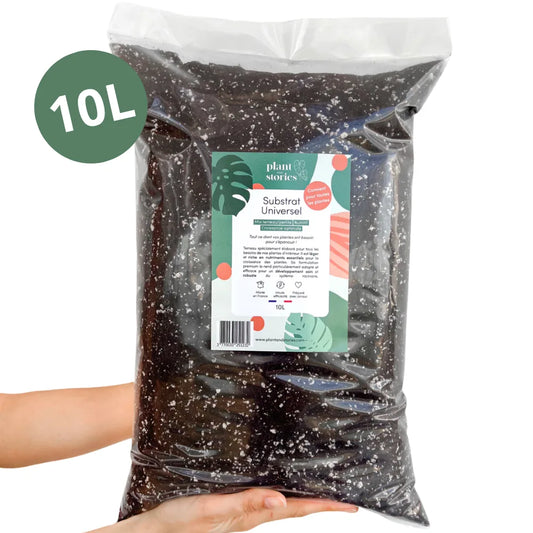
Universal Substrate enriched with Mycorrhizae and Bacillus - Premium Quality - Universal potting mix
Regular price From 9,50 €Regular price23,75 €Sale price From 9,50 €Sale -
Live sphagnum moss - Sphagnum moss for plants - Sphagnum moss - Live sphagnum moss for plants
Regular price 9,50 €Regular price -
Set of Transparent Araceae Pots - Transparent Growing Pots for Plants
Regular price From 8,97 €Regular price9,75 €Sale price From 8,97 €Sale -
Fertilizer for All Indoor Plants - 250ml Liquid Fertilizer - Root and Foliar Fertilizer + Free Graduated Pipette!
Regular price 18,00 €Regular price20,00 €Sale price 18,00 €Sale



The secret to success: living substrates and nutrition
Growing a rare houseplant in France successfully means paying close attention to what’s happening beneath the surface of the pot. Most failures with exceptional specimens aren’t caused by a lack of care, but by an unsuitable substrate. Standard all-purpose potting soil is often too dense and compact, retaining too much moisture. This deprives the roots of oxygen and inevitably leads to root rot—a scourge for collectors.
To transform your home into a plant sanctuary, we rely on the science of living substrates. Introducing beneficial microorganisms changes everything. Mycorrhizae, for example, form a symbiotic relationship with the plant and triple the roots’ capacity to absorb water and nutrients. At the same time, adding Bacillus provides a genuine biological shield, protecting your plants from disease and strengthening their natural resilience to environmental stress.
Specialist substrates: Made in France innovation
The key to preventing root suffocation is aeration. A high-performance mix should include structural components such as maritime pine bark and perlite to ensure optimal drainage. Our enriched Monstera potting mix was specially formulated in France to meet these needs for porosity. Choosing a substrate certified to NFU 44-551 ensures professional quality and the plant health standards essential for your most precious specimens.
The mineral alternative: PON and hydroponics
If you’re concerned about fungus gnats or watering mistakes, mineral substrate is a revolutionary solution. Using PON makes care easier thanks to capillary action. Volcanic rock and zeolite absorb water and nutrients, then release them gradually to the plant, preventing water stress. It’s the ideal choice for a rare houseplant in France that needs consistent moisture but must never sit in water.
Switching from soil to a mineral substrate requires a careful transition process, including thoroughly cleaning the roots. Once settled in, your plant benefits from a sterile, long-lasting growing environment. This modern growing method is increasingly popular with enthusiasts seeking to combine clean aesthetics with impeccable plant health. By nourishing the life in the soil or optimising a mineral growing medium, you give your collection the foundation it needs for vigorous, spectacular growth.

Acclimation and care: thriving in the French climate
The arrival of a parcel containing a rare houseplant in France is an emotional moment, full of excitement and apprehension. After travelling in darkness and enduring temperature fluctuations at sorting centres, your specimen needs time to adapt to its new surroundings. The success of this crucial step depends on a simple but often overlooked principle: patience. Your home has its own temperature and humidity profile, and your plant needs time to adjust before it resumes active growth.
Making sure your new plant arrives safely
The most common mistake enthusiastic collectors make is repotting their new find straight away. We recommend waiting at least 15 days before changing the pot. This gives the plant time to recover from shipping stress without the added trauma of root disturbance. Watch closely for signs of stress: a slight drooping of the leaves is normal, but rapidly spreading brown spots may signal more serious temperature shock.
As soon as you open the box, gently clean the foliage with a soft, damp cloth. This removes shipping residue and dust, freeing the stomata to support photosynthesis. It’s also the perfect opportunity to inspect every part of the plant carefully and make sure no unwanted visitors have taken advantage of the journey to move in.
Light and humidity: bringing the tropics indoors
The French climate, with its grey winters and heated interiors, presents an ongoing challenge for tropical species. In winter, relative humidity in our apartments often falls below 30%, while most rare houseplants in France need at least 60%. To compensate without investing in an expensive humidifier, group your plants together to create a natural microclimate, or place trays of wet clay pebbles beneath your pots.
Low natural light from November to March can bring the growth of more demanding varieties to a complete halt. Using a full-spectrum grow light is essential during this period to maintain the vibrancy of the foliage and prevent legginess. For propagation enthusiasts, live sphagnum moss remains the number-one ally. It provides the ideal sterile, moist environment to help even the most delicate cuttings root successfully.
Precise watering is the final pillar of plant care. Forget fixed schedules like “a glass of water every Monday.” Watering needs vary according to temperature, season and stage of growth. Learn to lift your pots to gauge their weight or test the substrate with your finger. If you have any doubts about your plant’s health or the light in your living room, send us your questions directly via our contact page to get a diagnosis from our team of enthusiasts.
Where can you buy rare plants with confidence?
Buying a new botanical gem is a decision that directly affects the long-term health of your urban jungle. Purchasing a rare houseplant in France calls for particular care when checking the plant’s origins and how it has been prepared. A reputable shop does more than ship a product; it makes sure the specimen has been properly prepared for life in a home after leaving the production greenhouse.
Traceability and local acclimation are your best safeguards against disappointment. Choosing plants already accustomed to the French climate greatly reduces the risk of temperature shock during delivery—a crucial point covered in our care advice. Verified customer reviews and responsive after-sales support are also essential indicators that you’ll receive genuine guidance beyond the transaction.
Plant & Stories: more than just a shop
Our approach combines a passion for plants with scientific rigour. Every exceptional plant in our catalogue undergoes a careful acclimation period at our facilities in Essonne, Île-de-France. This ensures it will be as resilient as possible once it’s in your home. We use only premium substrates made in France and certified to NFU 44-551, enriched with mycorrhizae to maximise each root’s capacity to absorb water and nutrients from day one.
We understand the emotional and financial investment involved in buying a collectible plant. That’s why we offer a 30-day plant guarantee—a strong commitment that reflects our confidence in the health of our plants. Our packaging is specially designed to protect the most delicate foliage while being 100% recycled and recyclable, in keeping with our commitment to sustainability.
Take the first step: start your search for greenery
Your next botanical favourite may already be waiting in our carefully curated selections. Take the time to explore all our houseplants to find the variety that will transform your space. Whether you’re drawn to the shimmer of an Alocasia or the climbing habit of a Hoya, every specimen is chosen for its unique character and excellent health.
To make sure you never miss a restock of our most sought-after rarities, we invite you to sign up for our newsletter. It’s the best way to be among the first to hear about new botanical gems. Be sure to follow our 'team of enthusiasts' on social media to swap tips every day, share your growing successes, and join a community of plant lovers who, like you, are looking to own a vigorous, vibrant rare houseplant in France.


Start cultivating your botanical sanctuary today
Successfully growing a rare houseplant in France is no longer an insurmountable challenge—it simply takes the right approach and a little patience. By choosing specialist growing mixes made in France and enriched with biostimulants, you give your plants the foundation they need to thrive for years to come. Careful acclimation is the final essential step in turning a simple purchase into a true horticultural success.
At Plant & Stories, we’re here to support you on this journey, with a commitment to excellence reflected in our customer rating of 9.9/10. Every order is shipped securely, with suitable thermal protection to keep your plants safe—even in the depths of winter. If you’re still unsure which growing mix to choose or where to place your future Anthurium, our team is here to help.
Contact our team of plant enthusiasts for personalized advice and start building your collection with confidence. Your passion deserves the very best care, and we’re proud to be your partners in this pursuit of botanical beauty.

Laura Bruneau
Jardinière & autrice