Rare Collector’s Plant: Build Your Tropical Sanctuary

Becoming a collector of rare plants means building, over time, a small tropical sanctuary where every plant has its ideal conditions. The rule that separates a thriving collection from a struggling one can be summed up in three words: living substrate, acclimation, patience. Discover our exceptional specimens in our rare plant collection. Building a rare plant collection is a gradual pleasure: start with accessible varieties before venturing into exceptional specimens, focusing above all on acclimation and substrate—two factors that make all the difference over time and help avoid costly losses.
This guide explains what makes a plant rare in 2026, which botanical families form the foundation of a collection, why living substrate is crucial, and how to acclimate and care for your prized plants.
What makes a plant rare for a collector in 2026?
A rare plant is not simply an expensive one: it has genetics that are not widely available, grows slowly, and is often variegated or available only in limited quantities through imports. Rarity comes from the difficulty of propagating it, not from a passing trend. The same plant can become common within a few years if its production is industrialized, or remain rare for a long time if it is difficult to propagate.
The enthusiasm is real. Garden Media Group describes houseplants as the fastest-growing category of collectibles, while market research firm Mordor Intelligence estimates the global houseplant market will reach around $13.6 billion in 2026. Aroids (the Araceae family) account for most of this attention, particularly variegated cultivars of Monstera, Alocasia, and Anthurium.
One key point to understand: variegated areas, which lack chlorophyll, slow growth and weaken the plant. This explains both the price of variegated varieties and the special attention they require. A heavily white-variegated plant will grow more slowly and need more light than a plant with stable cream variegation, such as Thai Constellation.
Rarity also has an economic dimension: tissue-culture production has driven down the price of some once-unattainable varieties, while others, which cannot be propagated quickly, remain collector's items. Understanding this dynamic helps you invest at the right time and avoid overpaying for a plant that is becoming more widely available.
Essential botanical families for your collection
The foundation of a rare plant collection is made up primarily of Araceae, the family of aroids, which includes most of the plants collectors seek. Understanding this family helps you anticipate the needs of the majority of your prized plants.
According to Plants of the World Online (Royal Botanic Gardens, Kew), the Araceae family includes genera such as Monstera, Philodendron, Anthurium, Alocasia, Scindapsus, and Syngonium. Alongside these, Marantaceae (Calathea, Maranta) add striking, non-toxic foliage, while Apocynaceae (Hoya) bring waxy blooms. Building your collection around these three families offers a good balance: spectacular foliage, varieties that are safe for homes with pets, and fragrant blooms, all with sufficiently similar growing requirements to manage them together without spreading yourself too thin.
| Family | Notable genera | Collection appeal |
|---|---|---|
| Araceae | Monstera, Anthurium, Alocasia, Philodendron | Spectacular foliage, variegation |
| Marantaceae | Calathea, Maranta | Striking and non-toxic |
| Apocynaceae | Hoya | Fragrant blooms |
My advice to every beginner collector: don't chase the rarest variegation right away. Start with aroids with stable genetics, learn to read their roots and substrate, and gradually move up to more demanding plants. I've seen too many beautiful, expensive plants die in the hands of impatient people. Patience is a collector's first skill, even before budget.
Living substrate: the key to preserving every rare plant
The real secret to a lasting collection isn't the most expensive fertilizer; it's a living, airy substrate. Most rare plants are epiphytes or lithophytes: their roots need air as much as water.
An aroid-style mix combines bark, perlite, and coco coir, enriched with mycorrhizal fungi and Bacillus. Mycorrhizae extend the roots' absorption area, while Bacillus protects against soil pathogens. A specialist substrate replicates these conditions far better than compacted all-purpose potting soil. For most aroids, aim for a slightly acidic pH of around 5.5 to 6.0, which promotes nutrient uptake and reduces the risk of root rot associated with overly heavy substrates.
| Component | Purpose |
|---|---|
| Pine bark | Aeration, lasting structure |
| Perlite | Fast drainage |
| Mycorrhizae | Expanded absorption area |
| Bacillus | Protection against pathogens |
columns: 4
columns_mobile: 2
-

 Sold out
-

 Sold out
-
-

 Sold out


Where to start: accessible varieties
To build a collection without getting discouraged, it's best to start with rare but hardy plants with stable genetics before moving on to finicky specimens. Gradually take on more challenging plants as you master the basics.
The Royal Horticultural Society guide also points out that most of these tropical plants have similar needs: warmth, indirect light, and high humidity. A good starter selection builds on these shared requirements before moving on to more demanding varieties.
| Level | Examples | Why |
|---|---|---|
| Beginner | Scindapsus, Aglaonema, Monstera Thai Constellation | Stable genetics, tolerant |
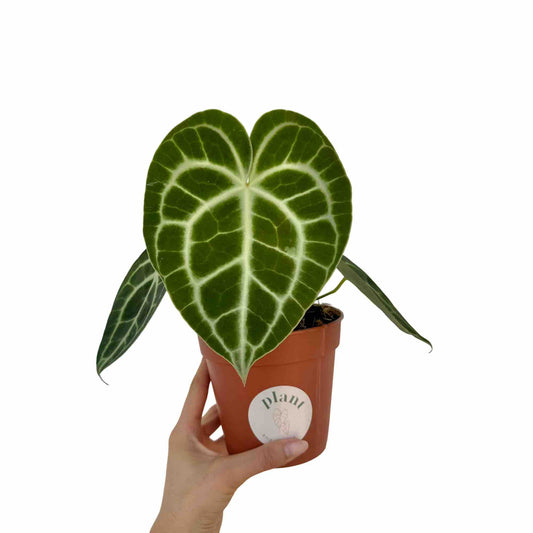
| Intermediate | Hoya, Anthurium clarinervium | Specific but manageable needs |
| Advanced | Monstera Albo, rare Alocasia | Unstable variegation, demanding |
Acclimation: getting the first 30 days right
Acclimation is the most overlooked and most crucial step: during the first few weeks, don't put the plant under any stress. Let it adjust to its new light and humidity before repotting.
In practice, unpack the plant as soon as it arrives, place it in bright, indirect light, and wait until a new leaf appears before considering repotting or fertilizing. Quarantining it away from other plants prevents pests from entering your collection. These first 30 days often determine whether a rare plant settles in for the long term or slowly declines.
A collector's tip for the most delicate specimens: place the new arrival under a cloche or in a small, enclosed, very humid space for two weeks to recreate a tropical microclimate and reduce transpiration shock between the grower's greenhouse and the dry air of an apartment.
Care for your collection through the seasons
A rare plant collection needs year-round attention: support it during the growing season and protect it in winter.
📅 Seasonal care calendar
| Season | Key task |
|---|---|
| 🌸 Spring | Growth resumes: repot if needed, increase light, watering, and fertilizing |
| ☀️ Summer | Growth: maintain 60–80% humidity and watch for pests |
| 🍂 Fall | Slow down; acclimate new arrivals before winter |
| ❄️ Winter | Dormancy: supplemental lighting, reduced watering, stable temperatures of 18–22°C |
| Factor | Guideline |
|---|---|
| Light | Bright, indirect; supplemental lighting in winter |
| Humidity | Ideally > 60% |
| Support pole | Essential for climbing plants |
| Quarantine | 2 weeks for every new arrival |
📋 Quick reference sheet (experienced collectors)
The key guidelines for a thriving collection, at a glance.
| Parameter | Guideline |
|---|---|
| Core families | Araceae, Marantaceae, Apocynaceae |
| Substrate | Living aroid mix (bark, perlite, mycorrhizae) |
| Light | Bright, indirect; grow light in winter |
| Humidity | > 60% for most plants |
| Acclimation | 30 days without repotting or fertilizing |
| Quarantine | 2 weeks for each new plant |
| Variegation | Slower growth, more light |
| Common pitfall | Overwatering and an oversized pot |
Diagnosis: mistakes that can ruin a collection
Most losses in a collection come down to three mistakes: overwatering, unsuitable substrate, and rushed acclimation. Here's how to spot them.
| Symptom | Likely cause and solution |
|---|---|
| Brown, mushy roots | Overwatering: use a more airy substrate and let it dry out |
| Fading variegation | Not enough light: move closer to a filtered-light window |
| Pests spreading | No quarantine: isolate and treat the plant |
| Shock after arrival | Repotted too soon: allow time to acclimate |


Build your sanctuary with Plant and Stories
A lasting rare plant collection rests on three pillars: living substrate, patient acclimation, and consistent care. Bring them together, and you'll see your indoor jungle flourish year after year, from accessible varieties to the most sought-after specimens. The true pleasure of collecting isn't just owning a rare plant; it's watching it grow and multiply under your care until you can share cuttings of your own.
To build your collection, explore our Anthurium and Alocasia collections, carefully selected and shipped from France. By taking it step by step, from the most accessible to the rarest, you'll build a resilient collection rather than a fragile assortment. Keep track of your successes and setbacks, adjust light and humidity for each variety, and prioritize substrate quality and acclimation: these fundamentals, more than a plant's rarity, are what make a true tropical sanctuary last.

Laura Bruneau
Jardinière & autrice