Terrarium and Humidity: Managing Condensation

A closed terrarium works like a self-sustaining mini-ecosystem: water evaporates, condenses on the sides and falls back down, constantly recycled. When properly balanced, it only needs watering every three to six months. The rule can be summed up in one sentence: a light mist on the glass is a good sign; if it is completely fogged up or dripping, air it out for a while. Find everything you need to put together your terrariums in our range of potting mixes.
This guide explains how humidity works in a terrarium, how to read condensation, how to correct too much or too little water, and how to prevent mold.
How does humidity work in a terrarium?
A closed terrarium recreates a miniature water cycle. Water in the substrate and plants evaporates, rises, condenses on the cooler sides, then falls back down: the system replenishes itself.
This cycle explains why a closed terrarium needs almost no watering: water circulates in a closed loop, like miniature rain that keeps falling. Through transpiration, plants release most of the water they absorb, sustaining a humid, living atmosphere. This is what allows some sealed terrariums to thrive for years with very little intervention.
There are two main types of terrarium. A closed terrarium, with a clear lid, retains high humidity and needs watering very rarely. An open terrarium, with a wide opening, is drier and less prone to disease, but needs more frequent watering.
| Terrarium type | Humidity and watering |
|---|---|
| Closed (with lid) | High humidity, very rare watering |
| Open (wide opening) | Drier, more frequent watering |
| Closed, advantage | Almost self-sustaining |
| Open, advantage | Less prone to disease |
Reading condensation is key to balance
Condensation on the glass is your best indicator: at a glance, it tells you whether humidity is at the right level. A light mist is a sign of a healthy terrarium.
Ideally, there should be a light condensation on just part of the glass, without obscuring the view of the plants. If the entire glass stays fogged up or water is dripping, there is too much humidity. Conversely, no condensation at all, especially alongside wilting plants, indicates that there is not enough water. Checking this mist each day tells you more than any watering schedule.
| Condensation observed | What it means |
|---|---|
| Light, on part of the glass | Ideal balance |
| Glass fully fogged, droplets | Too much humidity |
| No condensation | Probably not enough water |
| Wilting plants | Needs a little water |
A closed terrarium is my favorite “lazy” plant: when set up properly, it practically takes care of itself. The only thing I keep an eye on is the mist on the glass. A little condensation in the morning? Perfect. The glass completely fogged up and dripping? I open the lid for a few hours. No mist at all and the plants are wilting? A tiny bit of water. My customers often want to water “just to be safe”—but that’s the number-one mistake.
Too much humidity: how do you fix it?
Excess humidity is common, especially during the first few weeks. It is easy to correct by airing out the terrarium to let the excess escape.
According to Iowa State University Extension, if excessive condensation forms on the glass, open the terrarium slightly or remove the lid until some of the condensation evaporates, then put the lid back on. You can also wipe excess water from the sides with a clean cloth. Repeat until only a light mist remains. This is a simple adjustment, not an emergency.
columns: 4
columns_mobile: 2
-
Plant Addict Living Sphagnum Pack - Sphagnum for Plants - Sphagnum Moss - 3 Sachets
Regular price 26,50 €Regular price28,50 €Sale price 26,50 €Sale -
Straight-point pruning shears - Stainless steel plant pruners
Regular price 7,50 €Regular price10,00 €Sale price 7,50 €Sale -
Set of 10 Transparent Jars
Regular price From 5,70 €Regular price6,00 €Sale price From 5,70 €Sale -
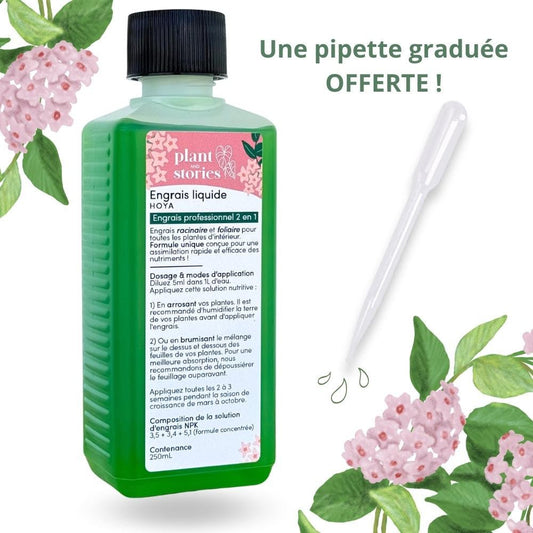
Duo of Fertilizer for All Indoor Plants + Special Hoya Fertilizer + 2 Free Graduated Pipettes!
Regular price 29,99 €Regular price40,00 €Sale price 29,99 €Sale




Not enough humidity: what should you do?
Less common, a lack of water can be identified by the absence of condensation and wilting plants. Add a small amount of water, sparingly.
When the substrate is dry and no mist forms, mist or pour in a tiny amount of water without soaking the terrarium: the aim is to restart the condensation cycle, not to drown it. A closed terrarium generally only needs watering every three to six months, sometimes even less often, since the system replenishes itself. It is better to add too little and adjust later than to add too much, as excess water is much harder to correct.
| Situation | What to do |
|---|---|
| Dry substrate, no mist | Add a little water |
| Wilting plants | Light misting |
| Watering frequency | Often every 3 to 6 months |
| If in doubt | Add a little, then adjust |
Set up your terrarium properly for a good balance
A well-balanced terrarium starts with proper setup. The base layers determine drainage and therefore the humidity throughout the terrarium.
From the bottom up, the layers are generally: a drainage layer (washed gravel or clay pebbles), a thin layer of horticultural charcoal to filter the water, then a sterile, well-draining substrate rich in organic matter. The charcoal and gravel prevent water from pooling at the bottom and causing root rot. A clear, untinted glass container lets in the necessary light. This healthy foundation is the best guarantee of a stable humidity cycle.
| Terrarium layer | Purpose |
|---|---|
| Gravel or clay pebbles | Provides drainage and prevents standing water |
| Horticultural charcoal | Filters the water and helps prevent mold |
| Sterile, well-draining substrate | Nourishes the plants and supports the roots |
| Clear glass container | Lets light through |
Terrarium lighting and placement
Where you place your terrarium matters just as much as watering when it comes to maintaining balance. The main pitfall is direct sunlight.
Place the terrarium in bright, indirect light, never in full sun: behind glass, direct rays raise the temperature and literally “cook” the plants. A spot a few steps away from a bright window is ideal. Also avoid cold windowsills in winter, where temperature differences cause excessive condensation. Soft light and a stable temperature between around 20 and 30 degrees are suitable for most tropical terrariums.
📋 Quick reference guide (for experienced gardeners)
At a glance, the key points for managing humidity in a terrarium.
| Parameter | Guideline |
|---|---|
| Principle | Self-sustaining water cycle |
| Good sign | Light condensation on the glass |
| Too much humidity | Fogged glass, droplets: air it out |
| Not enough water | No mist, wilted plants |
| Watering a closed terrarium | Every 3 to 6 months |
| Horticultural charcoal | Filters the water and helps prevent mold |
| Light | Bright, indirect; never full sun |
| Container | Clear, transparent glass |
Preventing and managing mold
Mold is common in a closed terrarium, especially at first. The good news: it is usually harmless and will regulate itself in a balanced ecosystem.
As described by Mississippi State University Extension, horticultural charcoal (small pieces of pure carbon) helps filter the water that percolates through the substrate, helping keep the terrarium healthy. Sterile substrate and washed gravel are also used to limit pathogens. If white mold appears, remove decaying dead leaves and air the terrarium out a little; in a balanced terrarium, the mold will eventually disappear.
| Against mold | Action |
|---|---|
| Horticultural charcoal | Filters and helps prevent mold |
| Sterile substrate | Fewer pathogens to start with |
| Remove dead leaves | Less material to decompose |
| Air it out a little | Reduces excess humidity |


Troubleshooting: keeping your terrarium healthy over time
Beyond humidity, a few simple steps will keep your terrarium looking beautiful and healthy over the long term. Here are the main ones.
| Care task | Benefit |
|---|---|
| Monitor condensation | Keep humidity at the right level |
| Prune overgrown plants | Prevent them from touching the glass |
| Remove dead plants | Maintain the health of the whole terrarium |
| Indirect light | Prevent overheating under glass |
To put together and care for your terrariums, explore our substrates and horticultural perlite, carefully selected in France.
A balanced terrarium with Plant and Stories
Terrarium humidity is managed by sight, not by the calendar: a light mist is a sign of good balance, excess humidity calls for airing, and a little water corrects a shortage. When properly balanced, your terrarium becomes a fascinating little self-sustaining world to observe.
To create your own little corner of nature, explore our indoor plants and substrates, carefully selected in France. Once you find the right balance, this little garden under glass will reward you with years of effortless greenery.

Laura Bruneau
Jardinière & autrice